

FREESKY Blogs
Stay updated with the latest news, tips, and insights on e-bikes, technology, and sustainable riding through the FREESKY blog.


You May Also Like
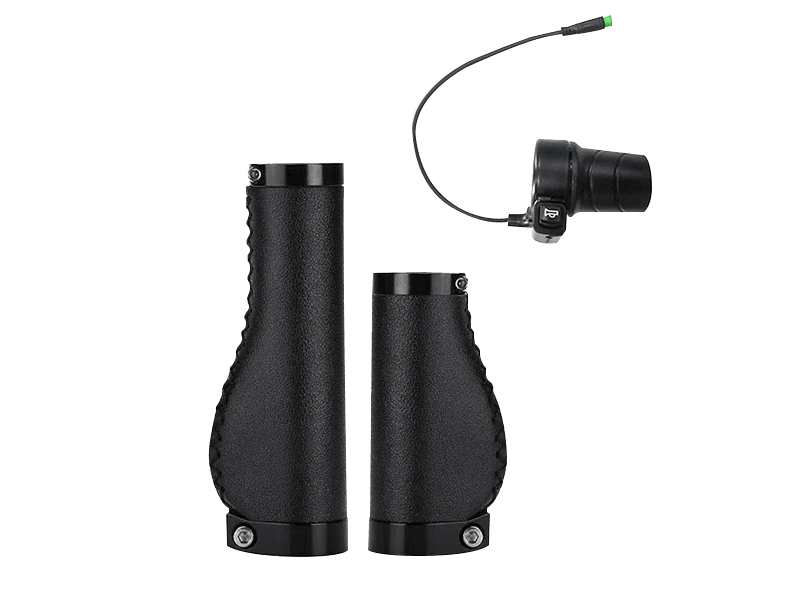
Twist Throttle with Grips (Right-Hand Only)
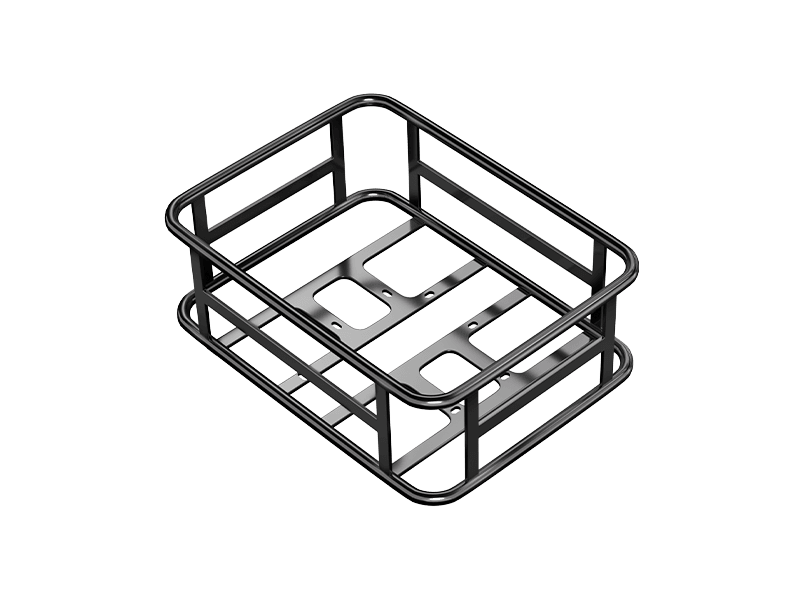
Rear Basket

Foldable Platform

Side Surfboard Rack

Bike Fishing Rod Holders (A Pair)

(Pre-order) Cargo Trailer

CRAVOT CyberRack E2 Hitch Bike Rack
There's no item in your cart.
You May Also Like
Twist Throttle with Grips (Right-Hand Only)
$69.00
Rear Basket
$69.00 $99.00
Foldable Platform
$79.00
Side Surfboard Rack
$99.00
Bike Fishing Rod Holders (A Pair)
$29.00
(Pre-order) Cargo Trailer
$299.00
CRAVOT CyberRack E2 Hitch Bike Rack
$400.00
You're Saving $0.00
Shipping, taxes, and discount codes calculated at checkout.All Topics

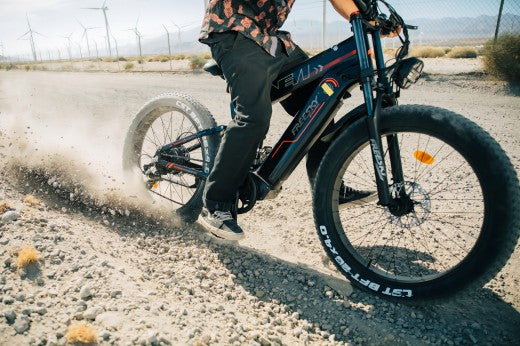
Everything You Need to Know About Bicycle Light Lumens
Jun 25, 2024
When it comes to cycling, safety is paramount. One of the most critical components for ensuring your visibility on the road is your bicycle light. With numerous options available, choosing the right light can be challenging. A key factor in making this decision is understanding lumens, the measure of light output. This guide will explain what lumens are, why they matter, and how to choose the best bike light for your needs. What Are Lumens? Lumens are a unit of measurement for the total amount of visible light emitted by a source. Simply put, lumens indicate how bright a light will appear. The higher the lumen count, the brighter the light. Why Lumens Matter for Bicycle Lights Visibility is crucial when riding a bicycle, especially in low-light conditions or at night. The brightness of your bike light affects how well you can see obstacles ahead and how visible you are to others. Understanding lumens helps you select a light that ensures safety and enhances your cycling experience. How Many Lumens Do You Need? The number of lumens you need depends on where and how you ride. Here’s a quick guide: For Urban Commuting 100 to 200 lumens: Sufficient for well-lit city streets where you mainly need to be seen by others. For Suburban or Rural Riding 200 to 600 lumens: Ideal for areas with less street lighting. These lights provide better visibility of the road ahead and increase your visibility to others. For Off-Road or Trail Riding 600 to 1000+ lumens: Necessary for unlit paths and trails. These lights illuminate obstacles and the terrain ahead, making your ride safer. For Daytime Riding 100 to 500 lumens: Even during the day, a bright light can enhance your visibility to motorists, especially in conditions like fog or heavy rain. Factors to Consider When Choosing a Bike Light Beam Pattern The beam pattern affects how the light is distributed. A wide beam pattern is great for off-road riding as it covers more area, while a focused beam is better for long-distance visibility on roads. Battery Life Consider how long you will be riding and choose a light with sufficient battery life. Rechargeable lights are eco-friendly and convenient, but it’s essential to ensure they can last your entire ride. Mounting and Adjustability A good bike light should be easy to mount and adjust. Ensure the light can be securely attached to your bike and adjusted to point in the desired direction. Weather Resistance Cycling often means braving the elements. Ensure your bike light is weather-resistant to withstand rain, mud, and dust. Top Recommendations for Bike Lights Urban Commuting Cygolite Metro 400: Offers 400 lumens with multiple brightness settings and a compact design. Suburban or Rural Riding Lezyne Macro Drive 600XL: Provides 600 lumens with excellent battery life and durability. Off-Road or Trail Riding NiteRider Lumina 1000: Delivers 1000 lumens, perfect for challenging trails and long rides. Daytime Visibility Bontrager Ion 200 RT: Compact yet powerful with 200 lumens, designed specifically for daytime visibility. Choosing the right bicycle light involves understanding lumens and how they affect your visibility. By considering your riding environment and preferences, you can select a light that ensures safety and enhances your cycling experience. Whether you're commuting in the city, riding through rural areas, or tackling off-road trails, there's a perfect light out there for you. Stay safe and happy riding!
Read More
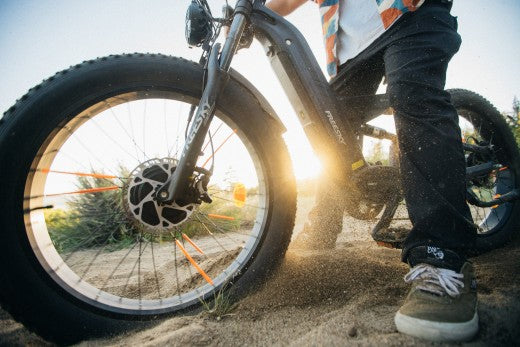
Exploring the Benefits of Fat Tires on E-Bikes
Jun 21, 2024
E-bikes, or electric bicycles, have revolutionized the way we commute and enjoy outdoor activities. Among the various types of e-bikes, those equipped with fat tires have gained significant popularity. But what exactly are fat tires, and why are they so beneficial? Let’s delve into the world of e-bike fat tires and discover their advantages. What Are Fat Tires? Fat tires are characterized by their wide profile, typically ranging from 3.8 inches to 5 inches or more. These tires are much wider than the standard bicycle tire, which usually measures around 2 inches or less. Originally designed for off-road use, fat tires have found their place in the e-bike world, offering unique benefits that cater to a variety of riding conditions. Benefits of Fat Tires on E-Bikes Enhanced Stability and Balance Wider Contact Patch: The increased surface area of fat tires provides better stability and balance, making it easier to ride on various terrains. Improved Traction: The larger contact patch also ensures better traction, which is especially useful on loose or slippery surfaces like sand, snow, and mud. Comfortable Ride Shock Absorption: The extra volume of fat tires acts as a natural shock absorber, smoothing out bumps and vibrations from rough terrains. This results in a more comfortable ride, even on bumpy roads or trails. Lower Pressure: Fat tires can be run at lower pressures, further enhancing their ability to absorb shocks and provide a cushioned ride. Versatility in Terrain All-Terrain Capability: Fat tires are designed to handle a wide range of terrains, including snow, sand, mud, and rocky trails. This versatility makes fat-tire e-bikes ideal for adventurers who like to explore diverse environments. Urban Riding: While excellent off-road, fat tires also perform well in urban settings, providing a smooth and stable ride on city streets and bike paths. Increased Safety Better Grip: The enhanced traction of fat tires reduces the risk of slipping, especially in wet or icy conditions, making them safer for riding in various weather conditions. Greater Control: The stability and balance provided by fat tires offer better control, which is crucial for safe riding on challenging terrains. Visual Appeal Bold Look: Fat tires give e-bikes a distinctive and rugged appearance that many riders find appealing. The robust look of fat tires often draws attention and adds to the aesthetic appeal of the e-bike. Considerations When Choosing Fat Tire E-Bikes While fat tires offer numerous benefits, there are a few considerations to keep in mind: Weight: Fat tires are heavier than standard tires, which can add to the overall weight of the e-bike. However, the powerful motors of e-bikes usually compensate for this added weight. Rolling Resistance: The increased surface area can lead to higher rolling resistance, which might slightly reduce efficiency on smooth, hard surfaces. This is often a minor trade-off considering the benefits in traction and stability. Price: Fat tire e-bikes can be more expensive than their standard counterparts due to the specialized tires and components. However, the investment is often worth it for the enhanced riding experience they provide. Conclusion Fat tires on e-bikes offer a unique set of advantages that cater to a wide range of riders and terrains. From enhanced stability and comfort to all-terrain versatility and increased safety, fat tires make e-biking an enjoyable and reliable mode of transportation and recreation. Whether you're navigating city streets or exploring rugged trails, fat tire e-bikes provide a comfortable, stable, and adventurous ride. If you’re looking for an e-bike that can handle diverse terrains and provide a smooth, safe, and enjoyable ride, consider the benefits of fat tires. Embrace the adventure and experience the world of e-biking like never before!
Read More
How to Maintain Your E-Bike
Jun 20, 2024
Owning an e-bike is a great way to enjoy eco-friendly transportation, explore the outdoors, and stay active. To ensure your e-bike remains in top condition and delivers the best performance, regular maintenance and proper care are essential. Here are some tips on how to maintain and care for your e-bike: 1. Keep It Clean Regular cleaning is crucial to keep your e-bike in good shape. Dirt, dust, and grime can accumulate on the bike, affecting its performance and longevity. Here's how to clean your e-bike properly: Use a mild detergent and water: Avoid using high-pressure washers as they can damage electrical components. Wipe down the frame: Use a soft cloth to wipe down the frame and other components. Clean the drivetrain: Use a brush and degreaser to clean the chain, gears, and derailleurs. 2. Battery Care The battery is the heart of your e-bike, and taking care of it is essential for optimal performance and longevity. Charge regularly: Don’t let the battery fully discharge before recharging. Keep it between 20% and 80% charge. Store properly: If not using the bike for an extended period, store the battery in a cool, dry place and charge it to around 50%. Avoid extreme temperatures: Both high and low temperatures can damage the battery. Store and charge the battery in a temperature-controlled environment. 3. Tire Maintenance Proper tire maintenance ensures a smooth and safe ride. Check tire pressure: Regularly check and maintain the recommended tire pressure. Under-inflated tires can reduce range and cause flats. Inspect for damage: Look for cuts, punctures, or any signs of wear and tear. Replace tires if necessary. Align the wheels: Ensure that the wheels are properly aligned to avoid uneven wear and improve handling. 4. Brake Maintenance Good brakes are crucial for safety. Inspect brake pads: Regularly check brake pads for wear and replace them when they are thin. Adjust brake cables: Ensure that brake cables are tight and responsive. Adjust or replace them if they feel loose. Clean brake discs: Keep the brake discs clean and free from oil or dirt to ensure effective braking. 5. Lubricate Moving Parts Lubrication is key to keeping your e-bike running smoothly. Chain lubrication: Regularly apply a suitable bicycle chain lubricant to keep the chain running smoothly. Pivot points: Lubricate the pivot points of the derailleurs and other moving parts to reduce friction and wear. Avoid over-lubrication: Excessive lubrication can attract dirt and cause more harm than good. Wipe off any excess lubricant after application. 6. Regular Check-Ups Even with regular maintenance, it's essential to have your e-bike checked by a professional periodically. Annual service: Take your e-bike to a professional for a comprehensive service at least once a year. Software updates: If your e-bike has electronic components that require software updates, ensure they are up-to-date for optimal performance. 7. Proper Storage Storing your e-bike properly can prevent unnecessary wear and tear. Indoor storage: Store your e-bike indoors to protect it from the elements. Use a bike cover: If you must store your e-bike outside, use a bike cover to protect it from rain, dust, and UV rays. Secure storage: Always lock your e-bike securely to prevent theft. Conclusion Regular maintenance and proper care can significantly extend the lifespan of your e-bike and ensure a safe and enjoyable riding experience. By following these tips, you can keep your e-bike in top condition and ready for all your adventures. Happy riding!
Read More
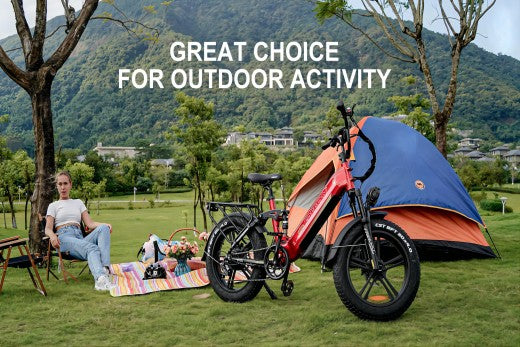
E-Bikes and Sustainable Transportation
Jun 14, 2024
As cities grow and populations increase, urban transportation faces significant challenges such as traffic congestion, air pollution, and noise pollution. E-bikes (electric bicycles) have emerged as a promising solution to these issues, playing a crucial role in modern urban transportation. How E-Bikes Reduce Carbon Footprint E-bikes not only help alleviate urban transportation pressures but also play a vital role in reducing the carbon footprint. Here are some specific ways: Replacing Short Car Trips: Short-distance driving is a major source of urban carbon emissions. Using e-bikes instead of cars for short trips can drastically reduce carbon emissions. For example, a car emits approximately 0.2 kilograms of CO2 per kilometer, while e-bikes have virtually zero emissions. Reducing Energy Consumption of Public Transport: While public transportation is more eco-friendly compared to cars, it still consumes significant energy. E-bikes can supplement or replace public transport, especially during peak hours, by offloading some passengers, thereby reducing the energy consumption and carbon emissions of public transportation. Promoting the Use of Green Energy: As e-bikes become more popular, the demand for green energy also rises. Many e-bike manufacturers and users are increasingly focusing on renewable energy sources such as solar and wind power, driving the transition towards a more eco-friendly energy structure. Extending Battery Life and Recycling: The batteries of e-bikes are a primary source of their carbon footprint. Technological innovations and improvements can extend the life of these batteries and facilitate their recycling and reuse, further reducing the overall carbon footprint of e-bikes. Success Stories and Model Cities Many cities worldwide have successfully integrated e-bikes into their transportation systems, achieving remarkable results. Copenhagen, Denmark: Known as one of the most bike-friendly cities globally, Copenhagen heavily promotes e-bike usage by building extensive bike lanes and parking facilities. About 62% of Copenhagen's residents cycle to work or school daily, with many using e-bikes. The city aims to become carbon-neutral by 2025, with e-bikes playing a significant role in this plan. Amsterdam, Netherlands: Amsterdam is renowned for its cycling culture. E-bikes are especially popular among older adults and commuters. The city government encourages e-bike adoption by offering purchase subsidies and building charging stations, helping citizens embrace this eco-friendly mode of transportation. Shenzhen, China: As a major e-bike production hub, Shenzhen leads in promoting e-bike usage. The city government has implemented numerous policies to encourage residents to use e-bikes and has developed a large-scale shared e-bike program. Currently, Shenzhen has over a million e-bikes, significantly reducing traffic congestion and improving air quality. San Francisco, USA: Despite its hilly terrain, San Francisco has seen a rise in e-bike popularity. The city government and nonprofit organizations work together to promote e-bikes and build related infrastructure. E-bikes have become a vital transportation option in the city, reducing carbon emissions and offering a more flexible and convenient travel choice for residents. In conclusion, e-bikes, as green, low-carbon, and convenient transportation options, have gained widespread recognition and adoption globally. With appropriate policy guidance and infrastructure development, e-bikes are poised to play an increasingly important role in future urban transportation systems, contributing significantly to sustainable development goals.
Read More
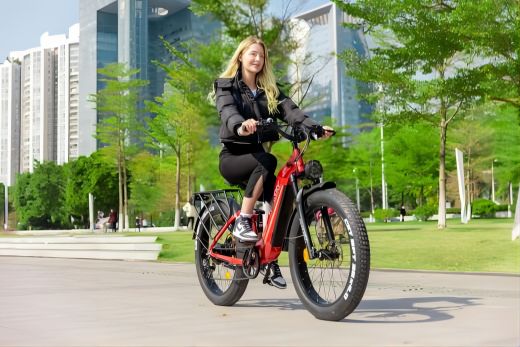
Why Father's Day is Perfect for Giving E-Bikes: A Gift of Adventure and Health
Jun 13, 2024
Father's Day is a special occasion to honor and appreciate the dads in our lives, celebrating their love, guidance, and unwavering support. While traditional gifts like ties and tools are thoughtful, why not consider something unique and memorable this year? Enter electric bikes, or e-bikes, the perfect Father's Day gift that combines adventure, health, and practicality. Here's why e-bikes are an ideal choice for showing your dad how much he means to you. 1. Adventure Awaits: E-bikes offer a new realm of exploration and adventure for dads who love the great outdoors. Whether he enjoys scenic rides through the countryside or urban adventures through city streets, an e-bike opens up endless possibilities for exploration. With pedal assistance, even challenging terrains and steep hills become conquerable, allowing your dad to venture farther and discover new destinations with ease. 2. Health and Wellness: Encourage your dad to prioritize his health and well-being with the gift of an e-bike. While e-bikes provide electric assistance, they still promote physical activity and exercise. Pedaling an e-bike engages muscles, boosts cardiovascular health, and improves overall fitness levels. Plus, with the option to adjust the level of assistance, your dad can tailor his workout to match his fitness goals and abilities. 3. Bonding Time: Father's Day is not just about giving gifts; it's about spending quality time together. Sharing a ride on e-bikes allows for memorable bonding experiences between fathers and their children. Whether you embark on leisurely rides around the neighborhood or plan day trips to scenic destinations, e-bikes provide the perfect opportunity to connect, converse, and create lasting memories together. 4. Sustainable Transportation: In addition to promoting health and adventure, e-bikes offer an eco-friendly alternative to traditional modes of transportation. By choosing e-bikes over gas-powered vehicles, your dad can reduce his carbon footprint and contribute to a cleaner, more sustainable environment. Plus, with rising fuel prices and increasing environmental concerns, e-bikes provide a practical and cost-effective means of transportation for daily commutes and errands. 5. Practicality and Convenience: E-bikes are not just recreational toys; they're practical and versatile modes of transportation for everyday use. Whether your dad needs a convenient way to commute to work, run errands around town, or simply enjoy leisurely rides on weekends, an e-bike offers a convenient and efficient solution. With features like built-in cargo racks, lights, and fenders, e-bikes are designed to enhance functionality and comfort for riders of all ages. This Father's Day, go beyond the traditional gifts and give your dad the gift of adventure, health, and sustainability with an e-bike. Whether he's an avid cyclist or someone looking to embrace a healthier lifestyle, an e-bike is sure to bring joy, excitement, and countless memorable moments. So, why wait? Show your dad how much he means to you by gifting him the ultimate ride of freedom and fun. Happy Father's Day!
Read More
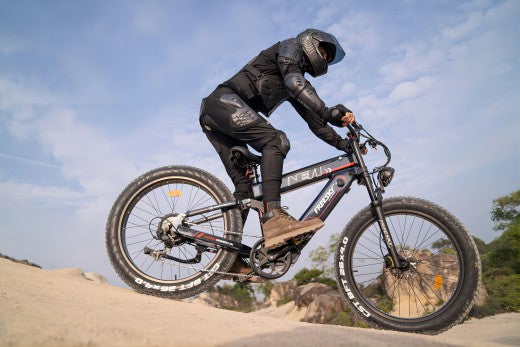
Safety Tips for Riding an E-Bike
Jun 07, 2024
E-bikes, or electric bicycles, have become increasingly popular as a convenient and eco-friendly mode of transportation. Whether you're commuting to work, running errands, or enjoying a leisurely ride, it's important to prioritize safety. Here are some essential tips to ensure you ride your e-bike safely and responsibly. 1. Understand Your E-Bike Before hitting the road, familiarize yourself with your e-bike's features and capabilities: Speed and Power: E-bikes come with various speed and power settings. Understand the different modes and how to control them. Battery Life: Know your e-bike’s battery range and plan your trips accordingly to avoid running out of power unexpectedly. Braking System: E-bikes are heavier and faster than traditional bikes, so make sure you understand how the brakes work and their stopping distance. 2. Wear Proper Safety Gear Safety gear is crucial for protecting yourself in case of an accident: Helmet: Always wear a helmet that meets safety standards. Ensure it fits properly and is securely fastened. Protective Clothing: Wear bright or reflective clothing to increase visibility. Consider padded gloves and elbow/knee pads for extra protection. Eye Protection: Use sunglasses or clear glasses to shield your eyes from debris, wind, and insects. 3. Perform a Pre-Ride Check Before each ride, inspect your e-bike to ensure it is in good working condition: Tires: Check for proper inflation and any signs of wear or damage. Brakes: Test the brakes to make sure they are responsive and effective. Lights and Reflectors: Ensure all lights and reflectors are functioning, especially if you plan to ride at night or in low-light conditions. Battery: Confirm that the battery is fully charged and securely mounted. 4. Follow Traffic Rules Riding an e-bike means sharing the road with other vehicles, cyclists, and pedestrians. Adhere to traffic rules to stay safe: Obey Traffic Signals: Stop at red lights and stop signs, and yield to pedestrians. Use Hand Signals: Indicate your intentions to turn or stop by using appropriate hand signals. Ride in the Right Lane: Stay in designated bike lanes or as far to the right as possible if there are no bike lanes. Be Predictable: Ride in a straight line and avoid sudden swerves or changes in direction. 5. Be Aware of Your Surroundings Staying alert and aware of your surroundings can help prevent accidents: Watch for Hazards: Look out for potholes, gravel, wet leaves, and other road hazards that could cause you to lose control. Anticipate Drivers' Actions: Make eye contact with drivers at intersections and assume they may not see you. Avoid Distractions: Do not use headphones or your phone while riding. Keep your focus on the road. 6. Adjust Your Speed E-bikes can reach higher speeds than traditional bicycles, so it's important to adjust your speed based on the environment: Slow Down in Traffic: Reduce your speed when riding in heavy traffic or congested areas. Be Cautious on Downhills: Control your speed when descending to avoid losing control. Match Speed to Conditions: Slow down in wet or icy conditions and when visibility is poor. 7. Ride Defensively Defensive riding involves anticipating potential dangers and taking proactive measures: Keep a Safe Distance: Maintain a safe distance from vehicles and other cyclists to give yourself enough time to react. Use Your Horn or Bell: Alert pedestrians and other cyclists to your presence when necessary. Have an Escape Plan: Always be aware of your surroundings and have a plan for how you would avoid a sudden obstacle or hazard. 8. Maintain Your E-Bike Regular maintenance ensures your e-bike remains safe and reliable: Clean Your E-Bike: Keep it clean to prevent dirt and grime from affecting its performance. Check Components: Regularly inspect the chain, gears, brakes, and battery connections. Service Schedule: Follow the manufacturer’s recommended service schedule or take it to a professional for regular check-ups. Conclusion Riding an e-bike can be a fun and efficient way to get around, but safety should always be a priority. By understanding your e-bike, wearing proper safety gear, performing pre-ride checks, following traffic rules, staying aware of your surroundings, adjusting your speed, riding defensively, and maintaining your e-bike, you can enjoy a safe and enjoyable ride every time. Happy cycling!
Read More
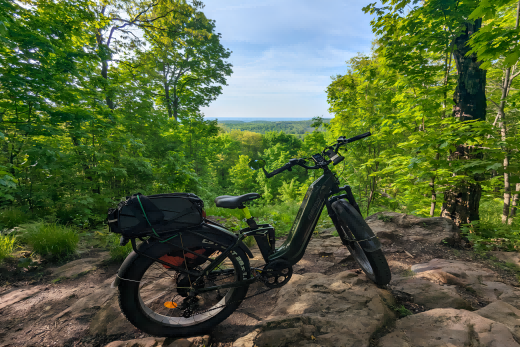
How to Choose a Bike Helmet: A Comprehensive Guide
Jun 06, 2024
Choosing the right bike helmet is crucial for ensuring safety while cycling. With so many options available, it can be overwhelming to find the perfect fit and style. This guide will walk you through the essential factors to consider when selecting a bike helmet, helping you make an informed decision that prioritizes your safety and comfort. 1. Safety Standards The most important aspect of a bike helmet is its ability to protect you in case of an accident. Look for helmets that meet the safety standards set by organizations like the Consumer Product Safety Commission (CPSC) in the United States, or the European standard CE EN 1078. These certifications ensure that the helmet has passed rigorous testing and provides adequate protection. 2. Helmet Fit A helmet that fits well is not only more comfortable but also offers better protection. Follow these steps to ensure a proper fit: Measure Your Head: Use a flexible tape measure to determine the circumference of your head, about an inch above your eyebrows. Try Before You Buy: If possible, try on several helmets to find one that fits snugly without being too tight. The helmet should sit level on your head and not tilt backward or forward. Adjust the Straps: The straps should form a "V" shape under your ears and feel secure when fastened. The helmet should not move excessively when you shake your head. 3. Helmet Types Different types of bike helmets are designed for different cycling activities. Here are the main types: Road Helmets: Lightweight and well-ventilated, ideal for long-distance and speed-focused riding. Mountain Bike Helmets: Provide more coverage at the back of the head and often include visors for sun protection. Commuter Helmets: Designed for urban riding, often featuring built-in lights and reflective elements for increased visibility. Full-Face Helmets: Used for downhill or extreme mountain biking, offering maximum protection with a chin guard. 4. Ventilation Proper ventilation is essential for keeping your head cool and comfortable, especially on long rides. Look for helmets with ample vents that allow for good airflow. However, more vents typically mean less material, so ensure that the helmet still meets safety standards. 5. Weight A lighter helmet can significantly enhance your riding experience, reducing strain on your neck and shoulders. While lightweight helmets tend to be more expensive, the added comfort is often worth the investment, especially for avid cyclists. 6. Additional Features Modern bike helmets come with various additional features that can enhance your riding experience: MIPS Technology: Multi-directional Impact Protection System (MIPS) is a safety feature designed to reduce rotational forces during certain impacts. Built-in Lights: Some helmets have integrated front and rear lights for better visibility in low-light conditions. Adjustable Visors: Useful for blocking the sun and protecting your face from branches and debris on trails. Reflective Elements: Enhance your visibility to motorists during night rides. 7. Style and Design While safety is paramount, you also want a helmet that you feel good wearing. Helmets come in various styles and colors, so you can choose one that matches your personal taste. Remember, a helmet you like is one you are more likely to wear consistently. 8. Budget Bike helmets range from budget-friendly to high-end models. While it's tempting to go for the cheapest option, investing in a quality helmet can make a significant difference in safety and comfort. Set a budget that balances affordability with the features and protection you need. Conclusion Choosing the right bike helmet involves considering safety standards, fit, type, ventilation, weight, additional features, style, and budget. By taking the time to find a helmet that meets your specific needs and preferences, you ensure a safer and more enjoyable cycling experience. Remember, your helmet is an investment in your safety—choose wisely and ride confidently!
Read More
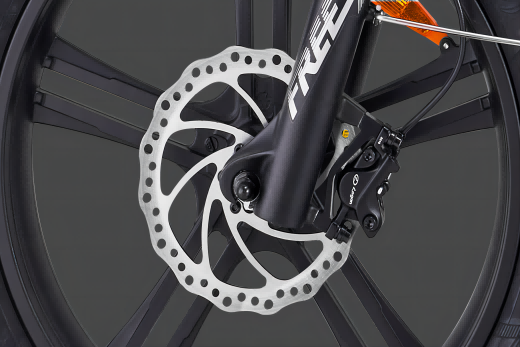
Mechanical Vs. Hydraulic Brakes: How To Choose
May 30, 2024
When it comes to choosing the right braking system for your bicycle, you have two main options: mechanical brakes and hydraulic brakes.The best choice for you will depend on your riding style, maintenance preferences, and budget. We’ll break down the differences between mechanical and hydraulic brakes to help you make an informed decision. Understanding Mechanical Brakes Mechanical brakes, also known as cable-actuated brakes, use a steel cable to connect the brake lever to the brake caliper. When you squeeze the brake lever, it pulls the cable, which in turn pulls the brake pads against the rim (in the case of rim brakes) or rotor (in the case of disc brakes). Pros of Mechanical Brakes Simplicity: Mechanical brakes are simpler in design and easier to understand. This makes them a popular choice for those new to cycling or those who prefer a straightforward system. Ease of Maintenance: Because they rely on cables and simple mechanisms, mechanical brakes are generally easier to maintain and repair. You can easily replace worn cables and adjust the tension without needing specialized tools or knowledge. Cost: Mechanical brakes tend to be more affordable than their hydraulic counterparts. If you’re on a tight budget, mechanical brakes can offer reliable performance without breaking the bank. Cons of Mechanical Brakes Performance in Wet Conditions: Mechanical brakes can be less effective in wet or muddy conditions. The cables can become contaminated with dirt and moisture, leading to decreased braking power. Modulation: Modulation refers to the ability to precisely control the amount of braking force. Mechanical brakes often have less modulation, making it harder to apply gradual braking force. Understanding Hydraulic Brakes Hydraulic brakes use fluid to transfer force from the brake lever to the brake caliper. When you squeeze the brake lever, it pushes fluid through a sealed system, which then pushes the brake pads against the rotor. Pros of Hydraulic Brakes Superior Braking Power: Hydraulic brakes offer more powerful and consistent braking. The fluid transfer system is more efficient, providing better stopping power with less effort. Excellent Modulation: Hydraulic brakes excel in modulation, allowing for smoother and more controlled braking. This is particularly beneficial for technical riding and in varying terrain conditions. Low Maintenance: While initial setup can be more complex, hydraulic systems are generally low maintenance. They are sealed and less prone to contamination, requiring less frequent adjustments and repairs. Cons of Hydraulic Brakes Complexity: Hydraulic brakes are more complex and can be intimidating for those unfamiliar with their operation. Repairs and maintenance can require specialized tools and knowledge. Cost: Hydraulic brake systems are usually more expensive than mechanical ones. This higher cost can be a deterrent for budget-conscious cyclists. Potential for Leaks: Although rare, hydraulic systems can develop leaks. A leak in the system can significantly reduce braking performance and require immediate attention. How to Choose When deciding between mechanical and hydraulic brakes, consider the following factors: Riding Style: If you frequently ride in technical terrain, downhill, or in wet conditions, hydraulic brakes may offer the superior performance you need. For casual riders or those who mainly ride on flat, dry surfaces, mechanical brakes can be more than sufficient. Maintenance Preferences: If you prefer a low-maintenance system and don’t mind the initial complexity, hydraulic brakes are a good choice. If you enjoy tinkering with your bike and want a system that’s easy to adjust and repair on your own, mechanical brakes might be better. Budget: Mechanical brakes are the way to go if you’re looking for a cost-effective solution. They provide reliable braking performance at a lower cost. However, if you’re willing to invest more for better performance and lower long-term maintenance, hydraulic brakes are worth considering. Experience Level: For beginners, mechanical brakes offer simplicity and ease of use. More experienced cyclists who are comfortable with bike maintenance may appreciate the advanced performance of hydraulic brakes. Choosing between mechanical and hydraulic brakes ultimately comes down to your personal preferences and riding needs. Mechanical brakes offer simplicity, ease of maintenance, and affordability, making them ideal for casual riders and beginners. On the other hand, hydraulic brakes provide superior braking power, excellent modulation, and low maintenance, which can be a game-changer for technical and demanding rides. Evaluate your riding style, maintenance comfort level, budget, and experience to make the best decision for your cycling adventures. Whether you opt for mechanical or hydraulic brakes, ensuring they are properly installed and maintained will keep you safe and enhance your riding experience.
Read More
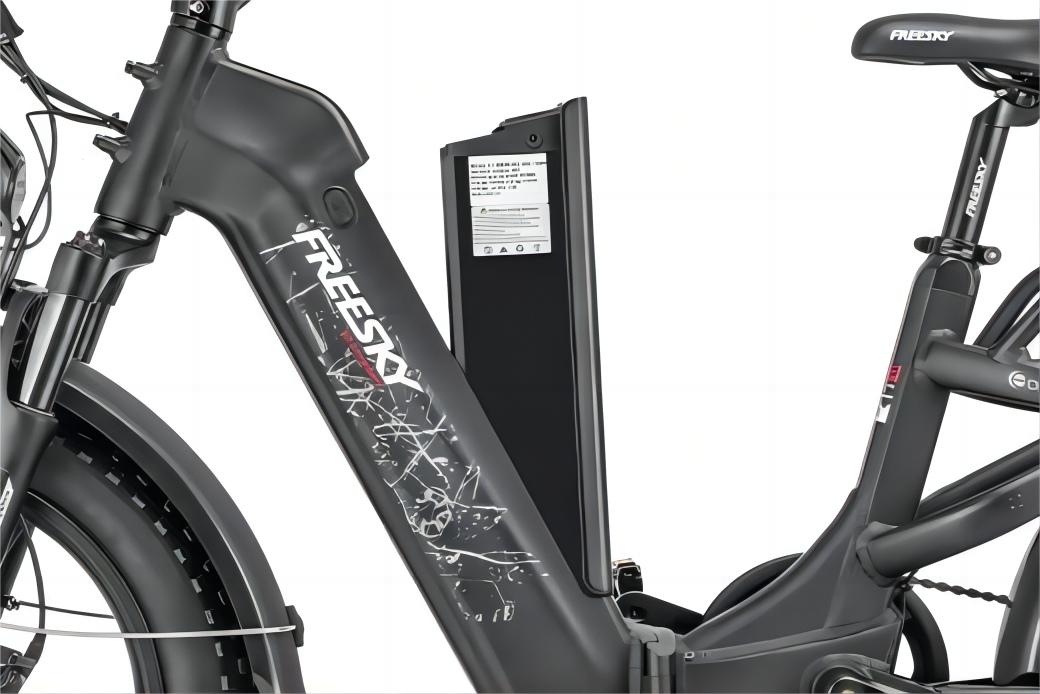
How to Reset Your E-Bike Battery
May 26, 2024
E-bikes have become increasingly popular for their convenience and eco-friendliness. However, like any electronic device, e-bike batteries can sometimes encounter issues that affect their performance. One troubleshooting method that can help resolve certain battery-related problems is resetting the battery. we'll guide you through the steps to reset your e-bike battery effectively. Check Battery Connections:First and foremost, ensure that the battery connections are secure. Disconnect the battery and then reconnect it, making sure the connections are clean and free from corrosion or looseness. Inspect the Charger:Verify that the battery charger is functioning correctly. You can test this by using the charger with another e-bike or trying a different charger with your e-bike. Reset the Battery Management System (BMS):Most e-bikes are equipped with a Battery Management System (BMS), responsible for monitoring battery status and managing charging. Resetting the BMS can sometimes resolve issues. To reset the BMS, follow these general steps: Connect the e-bike to the battery charger While connected, press and hold the reset button on the e-bike (usually located on the battery or control panel) for about 10 seconds.Release the button and wait a few minutes for the system to reboot. Full Discharge and Recharge Occasionally, the battery's power gauge may display inaccurately, leading to incorrect readings. To reset the battery's power gauge, try fully discharging the battery and then recharging it. You can achieve this by riding the e-bike until the battery is completely depleted, then connecting it to the charger and fully recharging it. Software Update If your e-bike features upgradable software, consider updating the software to address any issues. Manufacturers often provide update procedures that you can follow by connecting your e-bike to a computer or using a dedicated mobile app. Seek Professional Assistance If none of the above methods resolve the issue or if you're unsure about performing the reset, it's best to seek professional help. Contact your e-bike manufacturer or local repair center for more detailed guidance or to arrange for repairs. Resetting your e-bike battery can be a straightforward solution to various performance issues. By following these steps, you can troubleshoot common battery-related problems and get your e-bike back up and running smoothly. Remember to always prioritize safety and refer to the manufacturer's instructions before attempting any battery reset procedures.
Read More
| Product Title |
| Price |
| Color |
| Frame Style |
| Mode |
| Power |
| Battery Capacity |
| Charging Time |
| Assist Speed |
| Range |
| Rider Height |
| Rear Derailleur |
| Front Fork |
| Motor |
| Sensor |
| Charger |
| Torque |
| Suspension |
| Display |
| Brakes |
| Tires |
| Seat Post |
| Bike Weight |


