

Become Our Dealer
Partner with FREESKY to offer premium e-bikes to your customers while benefiting from competitive pricing and strong support.
Sign Up Now!

You May Also Like
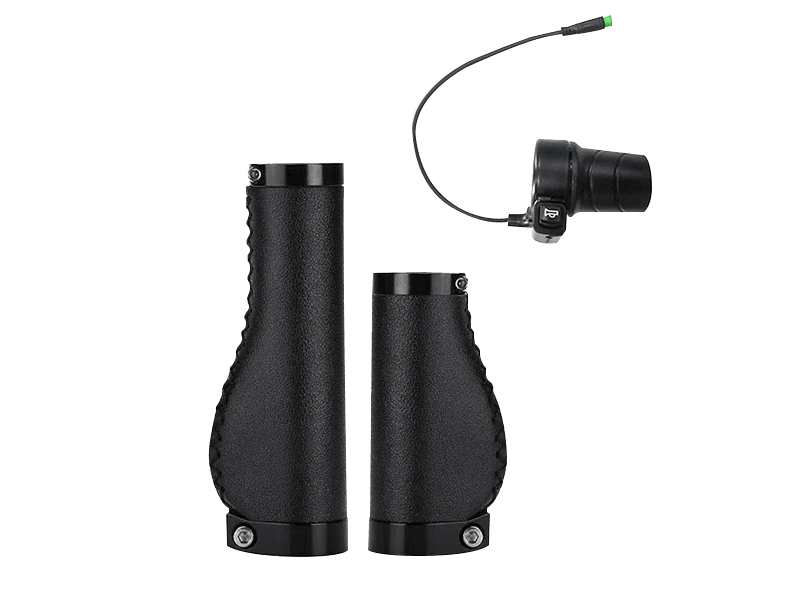
Twist Throttle with Grips (Right-Hand Only)
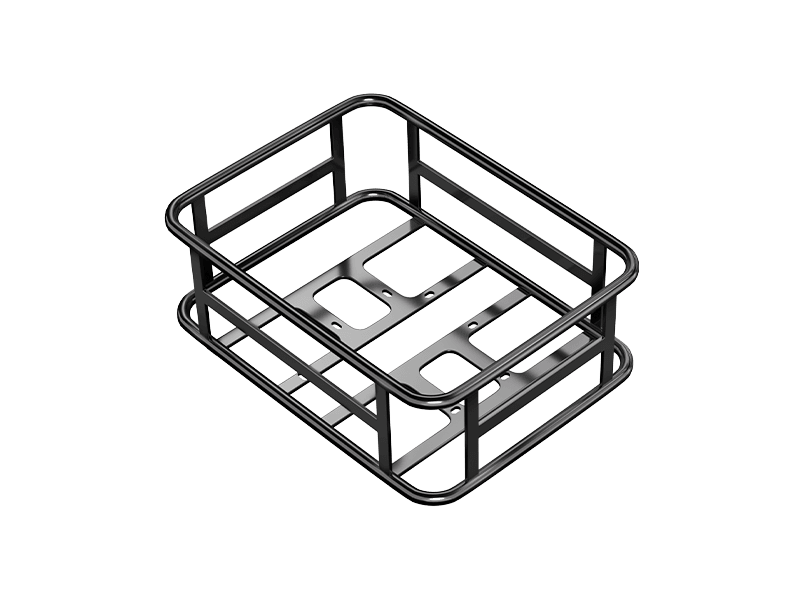
Rear Basket

Foldable Platform

Side Surfboard Rack

Bike Fishing Rod Holders (A Pair)

Cargo Trailer

CRAVOT CyberRack E2 Hitch Bike Rack
There's no item in your cart.
You May Also Like
Twist Throttle with Grips (Right-Hand Only)
$69.00
Rear Basket
$69.00 $99.00
Foldable Platform
$79.00
Side Surfboard Rack
$99.00
Bike Fishing Rod Holders (A Pair)
$29.00
Cargo Trailer
$299.00
CRAVOT CyberRack E2 Hitch Bike Rack
$400.00
You're Saving $0.00
Shipping, taxes, and discount codes calculated at checkout.Become a part of FREESKY's thriving dealer network, where friendly and professional sales support meets excellent profit margins and top-tier products. You’re not just a dealer—you’re a pioneer. Tailor your offerings and create a unique experience for your audience. Ready to elevate your business? Join us in a mutually beneficial partnership and the FREESKY community!

Special Price
Enjoy competitive pricing on our high-quality e-bikes, which enables you to earn higher profits. Our bikes are built with branded components, making them highly competitive in the market.

Marketing Solutions
Gain increased exposure by having your store featured on our official website. Additionally, we can promote your store’s videos on our social media channels to drive more traffic.

Attractive Terms
Benefit from better pricing on accessories, giving you more opportunities to increase your margins.

Collaborative Design
If a particular model resonates well with your market, let’s collaborate to design a new model. As an innovative factory, we ensure the highest quality in every bike we produce.

Professional Support
We prioritize recommending your service center to local customers for maintenance and repairs, providing a steady source of income for your store.

Prioritize Processing
Get priority handling for returns, such as Amazon returns (usually brand new bikes), with only a portion of the cost required. This ensures quick turnaround and minimal risk for you.
Special Price
Enjoy competitive pricing on our high-quality e-bikes, which enables you to earn higher profits. Our bikes are built with branded components, making them highly competitive in the market.
Marketing Solutions
Gain increased exposure by having your store featured on our official website. Additionally, we can promote your store’s videos on our social media channels to drive more traffic.
Attractive Terms
Benefit from better pricing on accessories, giving you more opportunities to increase your margins.
Collaborative Design
If a particular model resonates well with your market, let’s collaborate to design a new model. As an innovative factory, we ensure the highest quality in every bike we produce.
Professional Support
We prioritize recommending your service center to local customers for maintenance and repairs, providing a steady source of income for your store.
Prioritize Processing
Get priority handling for returns, such as Amazon returns (usually brand new bikes), with only a portion of the cost required. This ensures quick turnaround and minimal risk for you.

For 15 years, FREESKY has been dedicated to the research, development, and sales of electric bicycles. Our journey began with a vision to create environmentally friendly transportation solutions that never compromise on performance or style. Over time, we’ve grown into a trusted manufacturer, known for our integrity and commitment to excellence.
Our official brand store, www.freeskycycle.com, showcases our latest products and serves as a hub for our passionate community of riders. Join us on this journey to experience the freedom and excellence that define FREESKY.
Interested in becoming a dealer? Send us an email at marketing@freeskycycle.com, and we'll get in touch with you shortly!

Is Riding an E-Bike Really Exercise? Here’s What Your Body Actually Gets From the Ride
Sep 22, 2026
If an electric bike helps you climb the hill, ride farther, and arrive without feeling completely exhausted, it is easy to ask: Does it really count as exercise? After all, the motor is doing some of the work. But that is not quite how pedal assist works. An e-bike does not necessarily remove physical effort. It changes how much effort you need to put in—and that difference can make cycling more accessible, more comfortable, and easier to fit into everyday life. The American Heart Association recommends that adults get at least 150 minutes of moderate-intensity aerobic activity each week, preferably spread throughout the week. Cycling is one way to reach that goal, and current research suggests that e-bike riding can still provide meaningful physical activity, even with motor assistance. So, is eBiking really exercise? Let’s take a closer look. Your Heart Doesn’t Care Whether the Power Comes From Your Legs Alone When you exercise, your cardiovascular system responds to the demands placed on your body. Your heart beats faster.Your breathing increases.Your muscles need more oxygen.Your body works to deliver that oxygen where it is needed. That is what makes aerobic activity “count.” The American Heart Association describes moderate-intensity activity as movement that makes your heart beat faster and your breathing harder while still allowing you to talk. It recommends at least 150 minutes of moderate-intensity aerobic activity per week for adults. An e-bike does not automatically take you out of that equation. Pedal assist simply gives you another way to manage the workload. Pedal Assist Doesn't Mean Pedaling Stops Think of pedal assist as a way to adjust the difficulty of the ride. You still pedal. You still move your legs. You still generate physical effort. The motor simply provides additional assistance when you need it. That can be especially useful when facing: - Steep hills- Strong headwinds- Longer distances- Rough terrain- Heavy loads- A ride that would otherwise feel too demanding Research supports this distinction. Compared with conventional cycling, e-cycling generally produces lower heart rate, oxygen consumption, energy expenditure, and power output. But studies also show that e-cycling can still reach moderate-intensity levels, particularly depending on the rider, assistance level, terrain, and riding conditions. In other words: Less effort than a traditional bike does not mean no effort. The Real Advantage: You May Ride More Often This may be one of the most important parts of the e-bike exercise conversation. A workout only helps if you actually do it. A traditional bicycle can provide an excellent workout—but for some riders, the thought of a long climb, a 15-mile commute, or a windy ride home is enough to make the car look more appealing. An e-bike changes that calculation. With adjustable assistance, you can make a difficult ride manageable without giving up the ride itself. That can mean: - Riding instead of driving- Taking the longer route home- Commuting by bike more often- Riding to run errands- Spending more time outdoors- Staying active without making every ride an all-out workout The American Heart Association emphasizes that even short bouts of activity add up, and that reducing sedentary time matters. That makes the everyday side of eBiking particularly interesting. More Miles Can Mean More Movement Imagine two trips. On a traditional bike, a 10-mile ride might feel like a serious workout. In a car, the same trip requires almost no physical activity. With an e-bike, you have another option. You can ride the full distance while using assistance to manage hills, wind, fatigue, or terrain. The result is not necessarily the same physiological workload as riding an unassisted bicycle—but it is still movement. And that distinction matters. A 2026 systematic review covering 31 studies and 11,890 participants found that e-bike use generally created lower physiological demands than conventional cycling, while still commonly reaching at least moderate intensity. The review also found that e-bike use was generally associated with more total daily physical activity and less sedentary time compared with no-exercise conditions. The goal isn't always to make every ride harder. Sometimes the goal is to make riding possible in the first place. What Happens When the Hill Stops Being the Dealbreaker? For many riders, hills are where the difference becomes obvious. A steep climb can turn a casual bike ride into a demanding workout. That isn't necessarily a bad thing—but it can become a barrier. With pedal assist, you can choose how much help you need. Use less assistance when you want more effort. Increase assistance when the terrain gets tougher. That flexibility gives riders more control over the intensity of the ride. For a high-performance e-bike, that can be especially useful when the ride includes steep grades, rough surfaces, long distances, or additional cargo. The point isn't to eliminate the challenge. It's to make the challenge adjustable. From Workout to Transportation One of the biggest differences between eBiking and traditional exercise is that an e-bike does not have to feel like a workout. It can simply be transportation. You might ride to work. You might ride to the grocery store. You might meet a friend across town. You might take the longer route home because the weather is good. None of these trips needs to be labelled a “workout.” But they still involve movement. And that is one reason e-bikes have attracted attention from researchers studying physical activity. The American Heart Association recently highlighted research suggesting that e-bike riders can reach moderate-intensity activity while also potentially riding longer or making trips that they might otherwise make by car. The best exercise routine isn't necessarily the hardest one. It is the one that fits into your life well enough to keep doing. Does a More Powerful E-Bike Mean More Exercise? Not necessarily. This is an important distinction. A more powerful motor can make it easier to handle hills, accelerate, carry heavier loads, or travel farther. But more motor power does not automatically mean more cardiovascular benefit. Your effort level still matters. If your goal is physical activity, pedal assist can be adjusted according to the ride. Want more of a workout? Use a lower assistance level and pedal harder. Facing a steep climb? Increase assistance and keep moving. Feeling tired on the way home? Let the motor take on more of the workload. This is one of the biggest advantages of an e-bike: you can adjust the ride to match your body and your surroundings. High-Performance Doesn't Have to Mean All-Out The term “high-performance” can make people think only about speed and power. But performance can also mean capability. A capable e-bike can help you ride through conditions that might otherwise stop you: - Long-distance routes- Steep climbs- Rough roads- Gravel and dirt- Windy conditions- Heavier loads- Extended outdoor rides That doesn't mean every ride needs to push your heart rate to its limit. In fact, cardiovascular activity does not require every session to be maximal. The American Heart Association recommends a combination of moderate and vigorous aerobic activity, along with regular muscle-strengthening activity. An e-bike simply gives you another tool for getting moving. The Heart-Healthy Part May Be Consistency Here is where the e-bike conversation becomes bigger than exercise intensity. The difference between an activity you could do and an activity you actually do can be significant. If hills make you avoid cycling, assistance can make them manageable. If distance keeps you from riding, a larger battery can make longer trips more practical. If fatigue makes the return journey intimidating, adjustable assistance can give you another option. If you normally drive for short trips, an e-bike can turn some of those journeys into active travel. None of this means an e-bike is a replacement for every type of exercise. It means an e-bike can make movement easier to incorporate into everyday life. And that matters. So… Does E-Biking Really Count as Exercise? Yes—but with an important qualification. E-biking can provide meaningful physical activity, but the amount of exercise you get depends on how you ride. Your assistance level, speed, terrain, distance, fitness level, and how much you pedal all affect the physical demands of the ride. Research consistently suggests that e-cycling places less physiological demand on the rider than conventional cycling, while still often reaching moderate-intensity levels. So don't think of pedal assist as “cheating.” Think of it as adjustable effort. You can push harder when you want to. You can get more help when you need it. And you can keep riding when you might otherwise have stayed home—or taken the car. The Bigger Picture: Ride More, Sit Less The real potential of eBiking may not be about replacing traditional workouts. It may be about changing how we move throughout the day. A ride to the store. A commute to work. A weekend trail. A trip to the park. A longer route home. Each one is an opportunity to spend less time sitting and more time moving. The American Heart Association's guidance is straightforward: move more, sit less, and work toward regular moderate-to-vigorous physical activity throughout the week. An e-bike can be one way to make that easier. Your Ride, Your Effort An e-bike doesn't have to make exercise disappear. It can make exercise more adaptable. Use the motor when the hill gets steep. Turn down the assistance when you want to work harder. Ride farther when you have the time. Take the car when the trip calls for it. And choose the e-bike when you want to turn everyday movement into something a little more active. Because at the end of the day, the question isn't whether an e-bike is “as hard” as a traditional bicycle. The better question is: Does it help you move more often, ride more consistently, and stay active in a way that fits your life? For many riders, that's where the real value of pedal assist begins. This article is for general informational purposes and is not medical advice. If you have a cardiovascular condition, are returning to exercise after an injury, or have concerns about your exercise intensity, consult a qualified healthcare professional before starting or changing an exercise routine.
Read More

Not Every Trip Needs a Car: Why a High-Performance E-Bike Makes Sense
Sep 15, 2026
Think about the last few times you drove somewhere close to home. Maybe you picked up groceries. Maybe you went to a coffee shop, collected a package, visited a local park, or headed out for a weekend ride. The destination wasn't particularly far. What made the car feel necessary was everything around the trip. You had things to carry. The road included a few steep hills. You didn't want to arrive tired. Or maybe you wanted to continue farther after reaching your original destination. A regular bicycle can handle many short trips. A car can handle almost anything you throw at it. But there is a large space between those two options. That's where a high-performance electric bike can make sense. An e-bike gives you motor assistance when the route gets difficult, battery capacity when the distance gets longer, and wider tires and suspension when the pavement ends. You don't have to stop driving altogether. You simply don't have to use a car for every trip. The Problem Isn't Always Distance A five-mile trip doesn't sound like a reason to drive. Until you consider what you're actually doing. A backpack is easy to carry on a regular bike. A week's worth of groceries is different. A short ride up a steep hill is manageable on an ordinary bicycle. Doing it repeatedly with a loaded bike is another story. A paved neighborhood street may be easy to ride. A gravel road, muddy trail, or sandy path requires a different kind of bike. And once you add several stops to the same outing, battery range starts to matter too. This means that many short trips aren't really a distance problem. They're a capability problem. A regular bike may not provide enough assistance. A car may provide far more vehicle than the trip actually requires. A high-performance e-bike sits between the two. Why an E-Bike Can Replace Some Car Trips The appeal of an e-bike isn't that it can replace every function of a car. It can't. A car still makes sense when you need to transport several passengers, carry large items, travel very long distances in poor weather, or handle situations where an e-bike simply isn't practical. The more interesting question is: How many of your everyday trips actually require a car? For shorter local journeys, an e-bike can remove some of the friction that makes driving feel necessary. You can leave directly from home. You don't have to search for parking. You don't have to move a full-size vehicle for a two- or five-mile errand. And with a capable electric motor, you don't have to treat every hill as a workout. That's where the right e-bike starts to feel less like a recreational bicycle and more like another form of everyday transportation. What Makes a High-Performance E-Bike Different? Not every e-bike is designed to take on the same jobs. A lightweight city e-bike may be excellent for commuting on paved streets. A high-performance fat-tire e-bike is built for a wider range of conditions. For FREESKY, that means combining: High torque for hills and heavier loads. Large-capacity batteries for longer rides. Fat tires for pavement, gravel, dirt, sand, and other changing surfaces. Full suspension for rougher roads and trails. Hydraulic brakes for controlled stopping. Dual motors on selected models for additional drive support. These aren't just performance numbers. They address the reasons a regular bicycle can become impractical. When the Hill Is the Reason You Took the Car A short distance can still be a difficult ride. If the route includes a long or steep climb, rider weight, bike weight, cargo, and terrain all increase the demand on the motor. This is where torque becomes especially relevant. For example, the FREESKY Warrior Ultra uses two hub motors with 130 N·m each, providing up to 260 N·m combined torque in its unlocked configuration. The Ranger Air uses a dual-motor system with up to 210 N·m combined torque. The Alaska Pro offers up to 170 N·m of torque from its high-output motor. These numbers describe the amount of rotational force available from the motor system. For everyday riding, you may never need the maximum available output. But when you start from a stop on a hill, carry additional weight, or move across loose terrain, having more motor assistance available can change how manageable the ride feels. Rated Power and Peak Power Are Not the Same Thing This distinction becomes especially important when comparing high-performance e-bikes. Rated power refers to the motor's continuous or sustained power rating. Peak power refers to the higher output the motor can reach under certain operating conditions. For example, the Warrior Ultra is marketed with up to 6000W peak output in its unlocked configuration, while its factory default Class 2 mode uses a 750W rated power setting and 20 MPH maximum assisted speed for public-road riding. That means the same bike can serve two very different purposes. For everyday commuting, the factory configuration is designed around a lower-power, lower-speed riding mode. For private off-road environments where higher output is appropriate, the bike can provide substantially more performance. The important point is not simply the largest wattage number. It's understanding which riding mode that number applies to. One Bike, Two Very Different Types of Riding This is where a model such as the FREESKY Warrior Ultra becomes particularly interesting for riders who don't want to own a different bike for every type of trip. For everyday transportation, the factory default Class 2 mode is designed around 750W rated power and 20 MPH maximum assisted speed, with throttle and pedal-assist functionality. For private off-road riding, the bike offers an additional manual off-road mode with substantially higher available output. That creates a useful distinction: Commute during the week. Explore on the weekend. Ride locally without taking the car. Take the same bike onto private off-road terrain when appropriate. The bike doesn't have to be limited to one type of experience. Of course, riders should always follow the laws and regulations applicable to their location and use the higher-output configuration only where permitted. When One Motor Isn't Enough There are also situations where the challenge isn't just the steepness of the hill. It's traction. Gravel. Sand. Mud. Snow. Loose dirt. Uneven mountain trails. This is where dual-motor systems can provide another advantage. The Warrior Ultra uses two motors, allowing riders to switch between rear-motor and dual-motor operation. The Ranger Air uses a 2000W peak front motor and 2000W peak rear motor in its high-output configuration, with up to 210 N·m combined torque. Instead of asking one motor to handle every situation, the system can distribute drive across both wheels when additional traction and power are useful. For flat pavement, single-motor operation can be enough. For steeper or looser terrain, dual-motor operation provides another level of capability. When Range Is the Reason You Drive Sometimes the car isn't about power. It's about not having to worry about getting home. You may start with a short ride and decide to take a longer route. You may make several stops. You may discover a trail and decide to keep exploring. Or you may simply want enough battery reserve that you don't have to plan every mile around the next charging opportunity. This is where larger battery capacity becomes useful. The FREESKY Alaska Pro uses a 48V 45Ah dual-battery system with a claimed range of up to 120–200+ miles, depending on riding conditions and configuration. The Warrior Ultra uses a 60V 30Ah removable LG-cell battery with a claimed range of 60–120 miles. The Ranger Air uses a 48V 25Ah removable battery with a claimed range of up to 105 miles. The Eurostar Turbo also uses a 48V 25Ah battery with a claimed range of 60–105 miles. Actual range varies with rider weight, terrain, speed, temperature, assist level, tire pressure, riding mode, and other conditions. The practical advantage of a larger battery isn't that every ride will reach the maximum claimed range. It's that you have more room for the unexpected. From Grocery Runs to Weekend Adventures A useful car alternative doesn't have to be limited to commuting. Think about a normal weekend. You ride to pick up groceries. Later, you head to the park. The next day, you decide to explore a gravel road outside town. A regular bicycle might make some of those trips possible. A car can handle all of them, but may be unnecessary for the shorter ones. A high-performance e-bike can cover more of the middle ground. That's particularly true when the bike has enough power, range, and carrying capability to handle more than one type of trip. Grocery Runs Without the Parking Lot A grocery trip is one of the simplest examples. The store might only be three or four miles away. Driving means getting the car out, dealing with traffic, finding a parking space, shopping, loading everything into the vehicle, driving home, and unloading. With an appropriately equipped e-bike, a local grocery run can become a ride instead. A rear rack, panniers, or other compatible cargo accessories can help carry everyday items. And because the trip doesn't require moving a full-size vehicle, the entire process can feel simpler. The goal isn't to turn an e-bike into a replacement for a delivery van. It's to use a smaller vehicle when the job is small enough for one. Picking Up Packages and Running Local Errands Packages are another example. A box that feels inconvenient on a regular bicycle can be much easier to manage with an appropriate rack or cargo setup. The same bike can take you to a pickup point, local store, post office, or repair shop without requiring a parking space at every stop. For riders who have several errands close together, that can make a noticeable difference. Instead of: Drive → park → walk → drive → park again you can simply ride between stops. Going to the Park Without Loading the Car A park trip can also become more complicated than expected. Water. Food. A picnic blanket. A backpack. Outdoor equipment. Maybe even camping gear. A car makes carrying everything easy, but it also means driving and parking. A high-performance fat-tire e-bike gives you another option when the distance and load are manageable. The wide tires provide stability, while motor assistance helps offset the additional weight. The trip becomes part of the outing rather than simply transportation to the outing. When the Road Stops Being Paved This is where a high-performance e-bike starts to separate itself from a basic commuter. You leave the neighborhood. The pavement becomes gravel. The gravel becomes dirt. The trail becomes uneven. Maybe there is a steep section ahead. A conventional road bike isn't designed for that environment. A typical city e-bike may not have the tires, suspension, or drive system you'd want either. FREESKY models such as the Warrior Ultra, Ranger Air, Eurostar Turbo, and Alaska Pro are built around wider 26 × 4-inch fat tires and full-suspension configurations. That combination is intended to provide more stability and comfort across varied terrain. It doesn't make every trail effortless. But it gives riders more room to explore beyond paved streets. Full Suspension Matters When the Surface Isn't Perfect Motor power only solves part of the problem. If you're riding over potholes, roots, rocks, washboard gravel, or uneven trails, the bike itself has to manage those impacts. The Warrior Ultra uses a hydraulic front suspension system and rear shock absorbers. The Ranger Air uses adjustable hydraulic suspension with a step-through frame. The Eurostar combines a hydraulic front fork with a rear shock. The Alaska Pro also uses a full-suspension configuration. Together with 4-inch fat tires, these systems are designed to improve comfort and control when the road becomes less predictable. That matters whether you're commuting over rough city streets or heading out onto a weekend trail. When You Want One Bike for More Than One Part of Your Life This may be the biggest difference between a high-performance e-bike and a basic recreational bicycle. You don't necessarily have to buy one bike for commuting, another for trails, and another for long-distance adventures. A versatile model can cover several roles. Weekday: commute. After work: local errands. Saturday: gravel or trail riding. Sunday: camping or outdoor exploration. The same vehicle can move between these uses without requiring a completely different transportation setup. The Warrior Ultra is particularly suited to this idea because its riding modes allow it to operate differently depending on the environment. The Ranger Air adds another layer of versatility with its step-through design, dual/single motor operation, and combination of commuting and outdoor-oriented features. The Eurostar Turbo offers long-range capability, full suspension, fat tires, and dual-motor performance in a configuration designed for both road and off-road use. And the Alaska Pro focuses heavily on long-range riding with its dual-battery system. The Car Still Has Its Place A realistic car alternative shouldn't pretend that cars are unnecessary. There are trips where a car is clearly more practical. Several passengers. Large furniture. Long highway travel. Heavy cargo. Severe weather. Situations where local laws or road conditions don't permit e-bike use. Those are not the trips we're talking about. The interesting opportunity is everything in between. The five-mile trip. The grocery run. The ride to the park. The local commute. The weekend gravel route. The short camping trip. The quick errand that would normally start with turning a car key. Those are the trips where choosing a smaller vehicle can make sense. The Real Benefit Is Reducing Friction People often talk about replacing car trips in terms of fuel savings or environmental benefits. Those can certainly be factors. But convenience is often much simpler. If your destination is only a few miles away, driving can create unnecessary steps. Get in the car. Start the car. Deal with traffic. Find parking. Park. Walk. Get back in. Drive home. An e-bike can remove several of those steps. Leave from home. Ride. Arrive close to your destination. Ride home. And when the bike itself is capable enough to handle hills, cargo, longer distances, and changing terrain, more trips become realistic without the car. Not Every Trip Needs a Car You don't have to stop driving to drive less. You don't have to replace your car completely. And you don't have to turn every short trip into an athletic challenge. Sometimes you simply need another option. A regular bicycle can be ideal when the distance is short, the load is light, and the terrain is easy. A car can be ideal when the trip demands passengers, cargo, or long-distance travel. A high-performance e-bike fills the space between them. With high torque for climbs, large batteries for longer rides, fat tires for changing terrain, full suspension for rough surfaces, and dual-motor options for additional drive support, a FREESKY e-bike can turn more everyday and recreational trips into rides instead of drives. The question isn't whether an e-bike can replace your car. It's much simpler than that: Does this particular trip really need a car? Sometimes, the better answer is a bike.
Read More

Best Hunting E-Bikes: Which FREESKY Electric Bike Is Right for Your Outdoor Adventure?
Sep 08, 2026
For many hunters and outdoor enthusiasts, getting to the destination can be just as demanding as the activity itself. Long forest roads, steep hills, loose gravel, muddy trails, and uneven terrain can turn a short trip into a physically demanding ride. Add a backpack, outdoor gear, tools, water, and other supplies, and a conventional bicycle may not provide the stability, range, or power needed for the route. A hunting e-bike can help reduce the physical effort required to cover long distances and challenging terrain. With features such as fat tires, suspension, high-torque motors, large batteries, and dual-motor systems, the right electric bike can make it easier to explore more of the outdoors. But not every rider needs the same type of hunting e-bike. Some riders prioritize maximum torque and traction for steep or loose terrain. Others need long battery range for extended trips far from a charging point. Some want a lighter and more manageable bike for general outdoor riding, while others need a high-capacity setup for carrying additional equipment. To help you choose, we compared several FREESKY high-performance e-bikes based on terrain, torque, battery capacity, range, motor configuration, tire size, suspension, and riding style. Quick Comparison of FREESKY Hunting E-Bikes Model Best For Key Advantage Battery & Max Range* Motor Setup Torque Tire Size Cheetah MT-380 Long-distance and demanding off-road adventures Dual motors + 60Ah battery 48V 60Ah, up to 200 miles 2000W × 2 Peak 120 N·m × 2 20 × 4 in Alaska Pro M-520 Hills, rough terrain, and long-range riding 170 N·m torque + dual battery 48V 45Ah, up to 175 miles 4500W Peak 170 N·m 26 × 4 in Warrior Ultra M-530 High-power off-road riding Dual motors + high torque 60V 30Ah, up to 120 miles 3000W × 2 Peak 130 N·m × 2 26 × 4 in Ranger Plus M-540 Versatile high-performance riding Dual motors + large battery 48V 30Ah, up to 120 miles 2500W × 2 Peak 125 N·m × 2 26 × 4 in Swift Horse Ultra X-6E Long-distance trail riding BAFANG motor + high torque 48V 35Ah, up to 140 miles 4000W Peak 150 N·m 26 × 4 in Eurostar Turbo M-410 Moderate off-road and general outdoor riding Dual-motor performance 48V 25Ah, up to 105 miles 2000W × 2 Peak 105 N·m × 2 26 × 4 in Ranger Air M-540 All-around outdoor riding Balanced dual-motor setup 48V 25Ah, up to 105 miles 2000W × 2 Peak 105 N·m × 2 26 × 4 in *Maximum range is based on specified test conditions. Actual range varies with rider weight, terrain, speed, temperature, wind, tire pressure, riding mode, and other factors. Cheetah MT-380: Best for Maximum Range and Dual-Motor Performance If your outdoor adventures involve long distances, demanding terrain, and limited access to charging, the FREESKY Cheetah MT-380 is one of the strongest options in the lineup. Its biggest advantage is the combination of dual 2000W peak motors and a massive 48V 60Ah battery. The dual-motor system provides power to both wheels, with up to 120 N·m of torque per motor. When riding on loose gravel, dirt, hills, or other challenging surfaces, having two motors working together can provide additional traction and climbing support. The 60Ah battery is equally important. With a claimed maximum range of up to 200 miles, the Cheetah MT-380 is designed for riders who want substantial battery capacity for extended outdoor adventures. That extra capacity can be useful when a route includes long distances, detours, elevation changes, or sections where charging isn't readily available. The Cheetah also features 20 × 4-inch fat tires and front and rear suspension, providing a setup suited to rougher terrain. At approximately 122 pounds, however, this is not a lightweight e-bike. Its size and weight are worth considering if you frequently need to lift the bike onto a vehicle or maneuver it through tight areas. Best For - Long-distance outdoor adventures- Remote trails- Riders who prioritize battery capacity- Steep or challenging terrain- Riders looking for dual-motor performance If maximum range is your number-one priority, the Cheetah MT-380 stands out from the rest of the FREESKY lineup. Alaska Pro M-520: Best for High Torque and Challenging Terrain Not every demanding route is about distance. If your main challenge is steep climbs, rough ground, loose surfaces, or changing terrain, torque becomes particularly important. The FREESKY Alaska Pro M-520 delivers up to 170 N·m of torque, making it one of the highest-torque models in the FREESKY lineup. It combines a 4500W peak motor, a 48V 45Ah dual-battery setup, 26 × 4-inch fat tires, and front and rear suspension. The dual-battery configuration provides a large energy reserve, while the 26-inch fat-tire platform is designed for riders who want stability across a variety of outdoor surfaces. The Alaska Pro M-520 has a claimed maximum range of up to 175 miles, giving it a strong balance between long-distance capability and high-torque performance. The main reason to choose this model, however, is its 170 N·m torque output. High torque can provide stronger low-speed pulling power when climbing hills, starting on an incline, or moving across demanding terrain. It can be especially useful when the bike is carrying additional gear or when the riding surface doesn't provide consistent traction. Best For - Steep hills- Rough and uneven terrain- Riders who prioritize torque- Long-distance outdoor trips- Riders carrying additional equipment If your route is more about challenging terrain than simply covering the greatest possible distance, the Alaska Pro M-520 is a compelling choice. Warrior Ultra M-530: Best for High-Power Dual-Motor Riding For riders who want the added traction and power distribution of a dual-motor system, the FREESKY Warrior Ultra M-530 offers a high-performance setup. It uses two 3000W peak motors, delivering up to 6000W peak power, with 130 N·m of torque per motor. That means both wheels can contribute power when conditions become more demanding. The Warrior Ultra features a 60V 30Ah LG battery, a claimed maximum range of up to 120 miles, 26 × 4-inch fat tires, and front and rear suspension. Compared with the Cheetah MT-380, the Warrior Pro uses a smaller battery, making it more focused on the balance between power and usable range rather than maximum battery capacity. Its dual-motor configuration can be particularly useful on routes where traction changes frequently. Best For - Dual-motor performance- Steep and uneven terrain- Riders who want strong acceleration- Off-road adventures- Riders who want a balance between power and range If you want a high-output FREESKY with dual motors without moving all the way to the Cheetah's 60Ah battery, the Warrior Pro is worth considering. Ranger Plus M-540: Best for Versatile High-Performance Riding The FREESKY Ranger Plus M-540 offers another dual-motor configuration with a strong combination of power and battery capacity. It features two 2500W peak motors, up to 125 N·m of torque per motor, and a 48V 30Ah Samsung/LG battery. Its claimed maximum range is up to 120 miles, while 26 × 4-inch fat tires and suspension help it handle a range of outdoor surfaces. This model is a practical middle ground for riders who want high-performance dual-motor capability but don't necessarily need the extremely large battery of the Cheetah MT-380. Best For - Mixed outdoor terrain- Hills and gravel- Riders who want dual motors- Longer weekend adventures- General high-performance riding Swift Horse Ultra X-6E: Best for Long-Range Single-Motor Performance If you want high torque and long range but don't necessarily need a dual-motor system, the FREESKY Swift Horse Ultra X-6E offers a different approach. It uses a 4000W peak BAFANG motor with up to 150 N·m of torque and a 48V 35Ah LG battery. The claimed maximum range reaches up to 140 miles, giving the Swift Horse Ultra a strong combination of torque and battery capacity. The bike also features 26 × 4-inch fat tires and front and rear suspension, making it suitable for a variety of outdoor terrain. One advantage of choosing a single-motor setup is that you don't necessarily need the additional complexity and weight associated with a dual-motor system. Best For - Long-distance trail rides- Riders who want high torque- Mixed terrain- Riders who prefer a single-motor setup- Extended outdoor adventures For riders who want high torque without going to a dual-motor configuration, the Swift Horse Ultra X-6E is an interesting alternative. Which FREESKY Hunting E-Bike Is Right for You? Choosing a hunting or outdoor e-bike becomes easier when you identify the main challenge of your typical route. Best for Maximum Range: Cheetah MT-380 With a 48V 60Ah battery and claimed range of up to 200 miles, the Cheetah is the clear choice for riders who prioritize battery capacity and extended-distance adventures. Best for High Torque: Alaska Pro M-520 With up to 170 N·m of torque, the Alaska Pro M-520 is the strongest choice for riders who regularly encounter hills, rough terrain, and demanding surfaces. Best for Dual-Motor Power: Warrior Ultra M-530 Two 3000W peak motors and 130 N·m × 2 provide strong dual-motor performance for riders who want additional drive support on challenging terrain. Best for Balanced Dual-Motor Performance: Ranger Plus M-540 The Ranger Plus combines dual motors, a 30Ah battery, and up to 125 N·m × 2 of torque for riders looking for a versatile high-performance setup. Best for High Torque Without Dual Motors: Swift Horse Ultra X-6E The Swift Horse Ultra X-6E delivers 150 N·m of torque and a large 35Ah battery in a single-motor configuration. High Torque vs. High Battery Capacity: Which Matters More? These two specifications solve different problems. Torque matters when you're dealing with hills, low-speed acceleration, loose surfaces, heavier loads, and challenging terrain. Battery capacity matters when you're trying to cover greater distances or want more reserve for a long ride. For example, a rider spending most of the day on steep forest roads may benefit more from a high-torque setup such as the Alaska Pro M-520. A rider planning a long-distance trip with fewer charging opportunities may benefit more from the Cheetah MT-380's 60Ah battery. If your riding includes both challenges, models such as the Cheetah MT-380, Alaska Pro M-520, Warrior Pro M-530, and Ranger Plus M-540 combine substantial battery capacity with high-output motor configurations. The important point is that more of one specification doesn't automatically mean the bike is better for every rider. Dual Motor or Single Motor? A dual-motor e-bike uses two motors to provide power to both wheels. The main advantage is additional traction and drive support, particularly when riding on steep, loose, or uneven surfaces. FREESKY dual-motor models include: - Cheetah MT-380- Warrior Ultra M-530- Ranger Plus M-540- Eurostar Turbo M-410- Ranger Air M-540 Single-motor models can offer a simpler and often lighter configuration while still delivering substantial torque. For example: - Alaska Pro M-520 — 170 N·m- Swift Horse Ultra X-6E — 150 N·m- Warrior Ultra M-530 — 260 N·m- Ranger Air M-540 — 210 N·m So the choice isn't simply dual motor = better. Instead, ask yourself what your route actually requires. If traction is your biggest concern, dual motors may be valuable. If you want high torque while keeping the setup simpler, a high-torque single-motor model may be enough. Peak Power vs. Rated Power: What Should You Look At? When comparing high-performance e-bikes, it's important to understand the difference between peak power and rated/continuous power. Peak power represents the maximum output the motor system can reach under certain conditions. It is useful for understanding the performance potential of a motor system, but it should not automatically be interpreted as its continuous operating power. Rated or continuous power describes the motor's intended continuous output under specified conditions. This distinction is particularly important when comparing e-bikes from different brands. For example, a model advertised with 4000W peak power should not automatically be compared with another model based only on a 4000W figure without checking how each manufacturer defines and measures its motor output. Torque is another separate specification. A higher wattage number does not automatically mean higher torque, and two motors with similar peak power can deliver different riding characteristics. When comparing FREESKY models, look at the complete picture: Power + Torque + Battery Capacity + Motor Configuration + Tires + Suspension + Rider/Load + Terrain That's a much more useful way to evaluate an e-bike than focusing on a single number. How Much Torque Do You Actually Need? There's no universal torque number that is right for every rider. As a general guide: Torque Range Typical Use 40–60 N·m Flat roads and light commuting 60–90 N·m Daily riding and moderate hills 90–120 N·m Hills, heavier loads, and mixed terrain 120–150 N·m Steeper terrain, fat-tire, and off-road riding 150+ N·m Very demanding terrain and high-load applications These ranges are general guidance rather than a guarantee of performance. Actual climbing ability and acceleration depend on the motor design, controller, gearing, battery output, rider weight, terrain, and other factors. For riders specifically looking for a high-torque outdoor e-bike, FREESKY offers models reaching 260 N·m. What Should You Carry on an Outdoor E-Bike Adventure? A hunting or outdoor e-bike can help transport gear, but riders should always stay within the bike's specified load limits. Depending on your route and activity, common equipment may include: - Backpack- Water- Navigation equipment- Phone or communication device- Basic repair tools- Spare tube or tire-repair equipment- Weather-appropriate clothing- Food and other personal supplies- Lights and safety equipment Keep heavier items securely positioned and avoid placing loose gear where it could interfere with the wheels, drivetrain, brakes, or steering. Remember that total payload includes the rider and cargo, so always check the specifications for your specific FREESKY model before loading the bike. Prepare Your E-Bike Before Heading Out Long outdoor rides deserve a little preparation. Before leaving, check: - Battery charge- Tire pressure- Brake operation- Suspension condition- Chain and drivetrain- Lights and electrical connections- Cargo and rack security- Total rider and cargo weight For longer trips, it is also smart to plan your route before leaving and keep enough battery reserve for the return journey. Cold temperatures, strong winds, low tire pressure, steep climbs, high speeds, and heavy loads can all reduce real-world range. Follow Local Hunting, Trail, and E-Bike Regulations A high-performance e-bike is not automatically permitted everywhere. Before riding, check the rules that apply to the specific land, trail, hunting area, or public property you plan to visit. Requirements can vary depending on the state, local jurisdiction, land manager, trail classification, and type of e-bike. Always respect: - Local e-bike regulations- Trail access restrictions- Private property- Hunting regulations and seasons- Wildlife- Other trail users- Posted speed or access restrictions Responsible riding helps keep outdoor access available for everyone. Choose Your FREESKY Adventure Partner The best hunting e-bike isn't necessarily the one with the highest peak power or the largest battery. It's the one that matches the way you actually ride. If you need maximum range, look toward the Cheetah MT-380. If high torque and challenging terrain are your priority, consider the Alaska Pro M-520. If you want dual-motor performance, the Warrior Ultra M-530 or Ranger Plus M-540 may be a better fit. If you want high torque in a single-motor setup, the Swift Horse Ultra X-6E or Wild Cat Ultra A-340 are worth considering. And if you prefer a more natural pedal-assist experience, the Rocky Pro A-320 offers a torque-sensor setup. The right choice starts with your route, your riding style, and what you need to carry. Choose the features that solve your biggest riding challenge — then get out and explore. Ready for Your Next Outdoor Adventure? Explore the FREESKY lineup of high-performance electric bikes and find the model that fits your terrain, riding distance, and adventure style. Ride Further. Explore More. Go Beyond the Ordinary.
Read More

Hunting Season Photo Challenge: Share Your Ride, Share Your Story
Sep 07, 2026
Hunting season is here, and it's time to get outside, explore new trails, and make the most of every outdoor adventure. To celebrate the season, FREESKY is launching the Hunting Season Photo Challenge. Whether you're heading out before sunrise, exploring backcountry trails, transporting your outdoor gear, or simply enjoying a day in the wild, we want to see your best hunting-season moments. And there's more than just bragging rights — 10 participants will have a chance to win a FREESKY Camo Bag, while our favorite photos and stories may receive a Mystery Prize. So grab your FREESKY, capture the moment, and share your story with the community. Join the FREESKY Hunting Season Photo Challenge The challenge is simple. Share a photo from your hunting season or outdoor adventure, tell us the story behind it, and join fellow FREESKY riders in the community. How to Enter Step 1: Join the FREESKY E-Bike Community Join the FREESKY E-Bike Facebook Group to connect with fellow riders, exchange riding experiences, and share your outdoor adventures. Step 2: Share Your Hunting-Season Photo Post your favorite hunting-season or outdoor adventure photo in the comments of the official FREESKY Hunting Season Photo Challenge post. Your photo could show your FREESKY on a trail, a scenic outdoor destination, your riding setup, or a memorable moment from your adventure. Step 3: Tell Us Your Story Share a short story about your ride, outdoor adventure, trail experience, or hunting-season moment. Tell us where you went, what you experienced, how you used your e-bike, or what made the day memorable. Your story doesn't have to be complicated — we simply want to hear what the outdoors means to you. That's it. Share your photo, tell your story, and you're officially part of the challenge. What Can You Share? There's no single way to experience hunting season. Maybe you're exploring a familiar trail before sunrise. Maybe you're heading deep into the backcountry. Or maybe you're spending the day outdoors with friends and using your e-bike to make the journey easier. Here are a few ideas for your photo and story: - Hunting-season adventures- Backcountry trail rides- Outdoor exploration- Scenic rides through forests and mountains- E-bike setups and gear- Long-distance adventures- Camping and outdoor trips- Favorite riding spots- Memorable moments with your FREESKY The goal is to capture the experience — the ride, the scenery, the adventure, and the story behind it. Built for Outdoor Adventures An e-bike can be more than just a way to get from one place to another. For outdoor riders, it can be a practical way to cover more ground, explore remote trails, and spend more time outside. Depending on the model and riding conditions, features such as fat tires, suspension, high motor torque, and large battery capacity can make a difference when you're riding on uneven terrain or traveling longer distances. High Torque for Challenging Terrain Torque plays an important role when riding on hills, loose surfaces, and uneven terrain. FREESKY offers several high-torque e-bike models designed for riders who want strong acceleration and climbing capability. For example: - FREESKY Alaska Pro M-520 — up to 170 N·m of torque- FREESKY Cheetah MT-380 — 120 N·m × 2 dual-motor torque- FREESKY Swift Horse Ultra X-6E — up to 150 N·m- FREESKY Warrior Pro M-530 — 120 N·m × 2 dual-motor torque Higher torque can help provide stronger low-speed pulling power, particularly when riding uphill, carrying additional gear, or navigating challenging surfaces. Actual performance depends on factors such as rider weight, terrain, tire pressure, battery condition, gearing, controller settings, and riding conditions. Long-Range Capability for Extended Adventures For riders who spend long hours outdoors, battery capacity can be just as important as motor performance. The FREESKY Cheetah MT-380 features a large 48V 60Ah battery and is rated for up to 200 miles of maximum range under specified conditions. The FREESKY Alaska Pro M-520 uses a dual-battery setup totaling 48V 45Ah and offers a claimed maximum range of up to 175 miles. These maximum range figures are intended as reference values. Real-world range can vary significantly depending on speed, rider weight, terrain, temperature, wind, tire pressure, riding mode, and other conditions. For outdoor adventures, the important advantage is having enough battery capacity to spend more time exploring without constantly worrying about finding a place to recharge. Fat Tires and Suspension for the Trail Outdoor riding doesn't always happen on smooth pavement. Forests, gravel roads, dirt paths, rocky terrain, and uneven trails can all introduce bumps and changing surfaces. Fat tires and suspension can help provide additional stability and comfort in these conditions. Many FREESKY models feature 4-inch-wide fat tires, providing a larger contact area that can be useful on loose or uneven terrain. Full-suspension models can also help absorb impacts from bumps and rough surfaces, making longer rides more comfortable. Of course, riders should always make sure that their chosen route is suitable for e-bike use and permitted under local regulations. Your FREESKY, Your Adventure One of the best parts of outdoor riding is that every rider has a different story. For one person, it might be an early-morning ride through the woods. For another, it might be a long-distance trip through unfamiliar terrain. Someone else might simply enjoy taking their FREESKY out for a weekend adventure. That's what this challenge is about. We want to see how you ride, where you go, and what makes your outdoor adventures memorable. Your photo doesn't need to be professionally taken. Your story doesn't need to be long. Just share a genuine moment from your season. What Can You Win? We're giving the community a chance to win FREESKY prizes as part of the Hunting Season Photo Challenge. 10 Camo Bag Winners We'll select 10 participants to receive a FREESKY Camo Bag. Mystery Prize Our favorite photos and stories will also have a chance to receive a Mystery Prize. So don't just post a photo — give us the story behind it. A great photo combined with a memorable story could make your entry stand out. Share Your Adventure With the FREESKY Community The FREESKY community is where riders can share experiences, discover new riding ideas, and connect with other e-bike enthusiasts. If you're not already a member, join the FREESKY E-Bike Facebook Group and become part of the conversation. You can share your riding experiences, see what other FREESKY riders are doing, and follow future community activities and challenges. Before You Head Out Outdoor adventures are more enjoyable when you're prepared. Before your ride, make sure you: - Check the weather and trail conditions- Bring enough water and supplies- Check your battery level before leaving- Inspect your tires, brakes, and suspension- Wear appropriate protective equipment- Follow local e-bike and trail regulations- Make sure e-bikes are permitted on your planned route- Respect private property, wildlife, and other trail users- Be prepared for changing conditions when riding in remote areas If you're participating in hunting activities, always follow applicable hunting laws, seasons, licensing requirements, property restrictions, and local safety regulations. An e-bike can help you explore more efficiently, but responsible riding and preparation should always come first. Ready to Share Your Hunting-Season Adventure? Now it's your turn. Join the FREESKY E-Bike community, share your best hunting-season or outdoor adventure photo, and tell us the story behind it. Start by joining the FREESKY E-Bike Facebook Group, then head over to the official Hunting Season Photo Challenge post to submit your entry. Whether you're exploring backcountry trails, covering new ground, or simply enjoying a day outdoors, we want to see your best hunting-season moments. Join the challenge. Share your ride. Tell your story. #freesky #freeskyhuntingseason #freeskyebike
Read More

E-Bike Torque Explained: What It Means and How Much Torque Do You Actually Need?
Aug 14, 2026
When shopping for an e-bike, you'll often see specifications like motor power, top speed, battery capacity, and torque. Motor power gets a lot of attention, but torque is one of the specifications that can have a major impact on how an e-bike feels when you actually ride it. Torque determines how much rotational force the motor can deliver to the drivetrain. It matters most when you're starting from a stop, climbing hills, carrying extra weight, or riding on challenging terrain. So what does e-bike torque actually mean? How much torque is enough? And how does FREESKY's high-torque lineup compare? Let's break it down. What Is E-Bike Torque? Torque is rotational force. It describes the twisting force a motor can produce to turn the wheel and move the bike forward. Torque is measured in Newton-meters (N·m). In simple terms: Watts = power outputNewton-meters = rotational force You can think of torque as the force that helps an e-bike get moving and keep climbing. You'll notice the effect of torque most when: - Starting from a stop- Climbing steep hills- Riding on loose or uneven terrain- Carrying cargo or additional weight- Accelerating at lower speeds- Riding with a heavier total load On a flat road at a steady speed, you may not notice a large difference between motors with different torque ratings. But when the road points uphill, torque becomes much more noticeable. Torque vs. Watts: What's the Difference? This is one of the most common points of confusion when comparing e-bikes. Specification What It Measures What It Influences Motor Power (Watts) Electrical/mechanical power output Acceleration, sustained performance, and the motor's overall power capability Peak Power Maximum power the motor can reach under certain conditions Short-term acceleration and high-load performance Rated/Continuous Power Power the motor is designed to deliver continuously under specified conditions Legal classification and sustained motor output Torque (N·m) Rotational force produced by the motor Starting strength, acceleration, and hill-climbing ability Peak Power Is Not the Same as Rated Power This distinction is especially important when comparing high-performance e-bikes. For example, a motor may be advertised with 4,000W peak power, while its rated or continuous power is substantially lower. Peak power represents the maximum output the motor can reach under certain operating conditions. It should not automatically be interpreted as the motor's continuous or rated power. Likewise, torque is a separate specification. A motor's peak wattage does not tell you exactly how much torque it produces. That's why it's useful to look at both specifications when comparing high-performance e-bikes. Why Does Torque Matter on an E-Bike? Torque becomes especially important when the motor needs to overcome resistance. Imagine two riders approaching the same hill. On a flat road, both bikes may cruise comfortably. As the gradient increases, however, the motor has to work harder to maintain speed. A motor with higher torque can provide stronger rotational force at the wheel, helping the bike accelerate and climb with greater confidence. Higher torque can be especially useful for: Steep hills More torque helps the motor overcome increased resistance when climbing. Heavier riders The greater the total system weight, the more force is required to accelerate and climb. Cargo and gear Extra luggage, equipment, or cargo increases the load the motor has to move. Off-road riding Loose surfaces, inclines, and uneven terrain can require more motor force than smooth pavement. Stop-and-go riding Higher torque can provide stronger acceleration when repeatedly starting from a standstill. How Much E-Bike Torque Do You Actually Need? There isn't one universal torque number that is right for every rider. The amount of torque you need depends on: - Rider weight- Bike weight- Cargo weight- Terrain- Riding surface- Motor configuration- Riding style- Whether you ride primarily on pavement or off-road For a lightweight city e-bike used primarily on flat roads, moderate torque may be perfectly adequate. For a fat-tire e-bike, mountain bike, heavy commuter, or high-performance off-road bike, higher torque can make a much bigger difference. Torque Ranges at a Glance For a high-performance e-bike lineup like FREESKY, a more useful comparison is to set the ranges higher: Torque Range Best For What It Feels Like 40–60 N·m Flat city riding, light commuting Smooth and sufficient for relatively easy terrain 60–90 N·m Daily commuting, moderate hills Balanced climbing and acceleration 90–120 N·m Hilly routes, heavier riders, cargo Strong acceleration with confident hill climbing 120–150 N·m Steep terrain, fat-tire riding, off-road High-force performance for demanding terrain 150+ N·m Extreme terrain, heavy loads, dual-motor systems Maximum climbing and pulling capability These ranges are general guidance, not legal classifications or guaranteed performance levels. Actual riding performance depends on motor design, controller output, gearing, rider weight, terrain, battery condition, and other factors. This is also where FREESKY's lineup starts to stand out. FREESKY E-Bikes: High Torque for Demanding Rides FREESKY offers several high-performance e-bikes with torque ratings well above the range commonly found on entry-level and commuter-oriented e-bikes. Here are some examples. FREESKY Model Torque Motor Configuration Best For Rocky Pro A-320 120 N·m 2500W Peak Hilly commuting, fat-tire riding Wild Cat Ultra A-340 130 N·m 3000W Peak Hills, recreational riding, mixed terrain Swift Horse Ultra X-6E 140 N·m 3500W Peak BAFANG High-performance all-terrain riding Alaska Pro M-520 160 N·m 4000W Peak Steep terrain, demanding off-road riding Eurostar Turbo M-410 100 N·m × 2 Dual 1750W Peak Strong acceleration and climbing Ranger Air M-540 100 N·m × 2 Dual 1750W Peak Commuting, hills, all-terrain riding Ranger Plus M-540 120 N·m × 2 Dual 2000W Peak High-load and challenging terrain Warrior Pro M-530 120 N·m × 2 Dual 2000W Peak Off-road and steep terrain Cheetah MT-380 120 N·m × 2 Dual 2000W Peak Extreme terrain and maximum climbing force The numbers tell an interesting story. While many everyday e-bikes are designed around moderate torque for urban riding, FREESKY's high-performance models are built around substantially higher torque outputs. For riders who regularly encounter steep grades, carry additional weight, or ride off-road, that additional torque can be a meaningful advantage. 120 N·m vs. 160 N·m: Can You Actually Feel the Difference? Yes—especially when the bike is under load. Consider the difference between a 120 N·m motor and a 160 N·m motor. The 160 N·m system provides a higher torque rating, giving the motor greater rotational-force capability. That can be particularly useful when: - Starting on an incline- Climbing steep hills- Carrying additional weight- Riding on loose surfaces- Accelerating from low speed- Tackling demanding off-road terrain For example, the FREESKY Alaska Pro M-520 is rated at 160 N·m of torque, making it one of the highest-torque options in the FREESKY lineup. The Swift Horse Ultra X-6E provides 140 N·m, while the Rocky Pro A-320 delivers 120 N·m. That gives riders different levels of motor force depending on how demanding their typical riding conditions are. What About Dual-Motor E-Bikes? This is another area where torque specifications require careful reading. Some FREESKY models use a dual-motor configuration, with torque listed for each motor. For example: Eurostar Turbo M-410: 100 N·m × 2Ranger Air M-540: 100 N·m × 2Ranger Plus M-540: 120 N·m × 2Warrior Pro M-530: 120 N·m × 2Cheetah MT-380: 120 N·m × 2 The “× 2” indicates that the bike uses two motors, each with the listed torque rating. This should not automatically be interpreted as a single motor producing that amount of torque. A dual-motor system can provide additional traction and motor assistance, particularly when climbing or riding on challenging surfaces. However, actual combined wheel torque depends on the motor configuration, controller, drivetrain, traction, and operating conditions. Torque and Motor Sensors: Don't Confuse the Two Another common misunderstanding is the difference between motor torque and a torque sensor. They are not the same thing. Motor Torque Motor torque describes the rotational force produced by the motor. For example: 160 N·m Torque describes the motor's torque output. Torque Sensor A torque sensor measures how much force the rider applies to the pedals. The system can then adjust motor assistance according to the rider's pedaling input. In general: Torque = motor outputTorque sensor = rider input measurement These two concepts work together but describe completely different things. For example, the FREESKY Rocky Pro A-320 uses a torque sensor and is rated at 120 N·m of torque. The torque sensor can contribute to a more responsive pedal-assist experience, while the motor's torque rating describes its available rotational force. Torque by Riding Style Not every rider needs 160 N·m. The right amount depends on where and how you ride. Flat City Commuting Recommended: 40–70 N·m If your daily route is mostly flat pavement with relatively little cargo, you may not need an extremely high-torque motor. Smooth acceleration and efficiency may matter more than maximum climbing force. Hilly Commuting Recommended: 70–100 N·m If your route includes regular hills, bridges, or longer inclines, additional torque can make acceleration and climbing feel more confident. Heavy Riders and Cargo Recommended: 100–130+ N·m As total system weight increases, the motor has more work to do. For heavier riders or riders who frequently carry equipment, a higher-torque motor can provide more assistance when accelerating and climbing. Off-Road and Steep Terrain Recommended: 120–160+ N·m For steep climbs, loose surfaces, fat tires, and demanding trails, high torque becomes much more relevant. This is where models such as the Swift Horse Ultra X-6E at 140 N·m and Alaska Pro M-520 at 160 N·m are particularly suited to riders looking for high-force performance. Extreme Loads and Dual-Motor Riding Recommended: 100 N·m+ per motor Dual-motor systems can provide additional traction and propulsion for demanding terrain. FREESKY's dual-motor models range from 100 N·m × 2 to 120 N·m × 2, depending on the model. How Much Torque Is Enough? A simple way to think about it is: The harder your riding conditions, the more useful higher torque becomes. Ask yourself: 1.Is your route mostly flat?Moderate torque may be enough. 2.Do you regularly climb hills?Consider 90–120 N·m. 3.Are you a heavier rider or carrying cargo?Look for 120 N·m or more. 4.Do you ride steep trails or challenging terrain?120–160+ N·m can provide a meaningful performance advantage. 5.Are you considering a dual-motor e-bike?Pay attention to the torque rating per motor, not just the combined number. Does Higher Torque Always Mean a Better E-Bike? Not necessarily. Torque is important, but it is only one part of the overall riding experience. When comparing e-bikes, you should also consider: - Motor configuration- Rated and peak power- Battery voltage and capacity- Controller- Gear system- Bike weight- Tire size- Suspension- Braking system- Torque or cadence sensing- Rider weight- Intended terrain A high torque rating is most valuable when the rest of the bike's system can effectively use it. That's why it is better to evaluate the complete motor system rather than choosing an e-bike based on a single specification. FREESKY Torque at a Glance If high torque is one of your priorities, FREESKY offers several options across different performance levels: Model Torque Configuration Recommended Riding Rocky Pro A-320 120 N·m Single Motor Hills & fat-tire riding Wild Cat Ultra A-340 130 N·m Single Motor Mixed terrain Swift Horse Ultra X-6E 140 N·m Single Motor High-performance all-terrain Alaska Pro M-520 160 N·m Single Motor Steep & demanding terrain Eurostar Turbo M-410 100 N·m × 2 Dual Motor Hills & all-terrain Ranger Air M-540 100 N·m × 2 Dual Motor Commuting & hills Ranger Plus M-540 120 N·m × 2 Dual Motor Challenging terrain Warrior Pro M-530 120 N·m × 2 Dual Motor Off-road riding Cheetah MT-380 120 N·m × 2 Dual Motor Extreme terrain Final Thoughts: Torque Is About How the Bike Handles the Hard Parts Motor power specifications can tell you a lot about an e-bike, but they don't tell the whole story. Torque tells you about rotational force—the force that becomes especially important when you're accelerating, climbing, carrying weight, or riding challenging terrain. For casual flat-road commuting, you may never need extremely high torque. But if your riding involves steep hills, heavy loads, loose surfaces, or off-road terrain, a higher-torque motor can make a noticeable difference. That's where FREESKY's high-torque lineup stands out. With models offering 120 N·m, 130 N·m, 140 N·m, and up to 160 N·m on single-motor configurations, plus dual-motor models rated at 100 N·m × 2 or 120 N·m × 2, FREESKY gives riders options designed for much more demanding riding conditions. So when you're comparing e-bikes, don't just ask: "How many watts does it have?" Also ask: "How much torque does it produce—and where do I actually plan to ride?" Because when the road gets steep, the load gets heavy, or the trail gets rough, torque is where motor strength becomes something you can actually feel.
Read More

Do You Need a License for an Electric Bike in Canada? A Complete Guide to Canadian E-Bike Laws
Aug 10, 2026
In most parts of Canada, you do not need a driver's licence to ride a legal electric bike. A qualifying electric bicycle (e-bike) is generally regulated more like a conventional bicycle than a motorcycle or moped. Depending on the province, a compliant e-bike typically does not require a driver's licence, vehicle registration, a licence plate, or mandatory motor vehicle insurance. However, the answer depends on where you ride and how your e-bike is classified. An electric bike must first meet the applicable provincial requirements. These rules commonly consider: - Motor power- Rated or continuous power output- Maximum assisted speed- Fully operable pedals- Number of wheels- Throttle or pedal-assist operation- Vehicle weight and design- Required safety equipment A bike with a motor that exceeds the applicable power limit, can provide assistance above the legal speed limit, lacks functional pedals, or has been modified beyond the legal specifications may no longer qualify as a power-assisted bicycle. It could instead be treated as a moped, limited-speed motorcycle, motorcycle, or another type of motor vehicle. One important point is often misunderstood: Canadian e-bike power limits generally refer to the motor's rated or continuous output, not its temporary peak output. For example, an e-bike may have a 750W rated motor with a much higher peak power output under acceleration. The peak figure alone should not be used to determine whether the motor complies with a provincial 500W rated/continuous-power requirement. Always check the motor specification, manufacturer label, and the applicable provincial definition. This guide explains whether you need a licence for an electric bike in Canada, how the 500W rule works, which provinces have specific requirements, and when a high-powered e-bike may be treated differently. Legal notice: This article provides general educational information and is not legal advice. E-bike laws can change, and municipalities, parks, trails, campuses, and other authorities may impose additional restrictions. Always check the current rules that apply where you intend to ride. Do You Need a License for an Electric Bike in Canada? For a conventional e-bike that meets the applicable provincial definition, usually no. Most Canadian jurisdictions treat qualifying power-assisted bicycles differently from mopeds and motorcycles. A typical legal e-bike has: - Fully operable pedals- An electric motor- A motor within the applicable power limit- A maximum assisted speed within the applicable limit- Bicycle-style steering and configuration- Required safety equipment In many provinces, a compliant e-bike does not require: - A driver's licence- Motorcycle licence or endorsement- Vehicle registration- Licence plate- Mandatory motor vehicle insurance For example, Ontario states that qualifying e-bikes do not require a driver's licence, registration, or insurance. Ontario's requirements include a motor not exceeding 500 watts, a maximum assisted speed of 32 km/h, and fully operable pedals. British Columbia similarly defines a motor-assisted cycle using a motor with a continuous power output rating of no more than 500W and a maximum motor-assisted speed of 32 km/h. Saskatchewan also states that qualifying power-assisted bicycles do not require a driver's licence or registration. But there is an important qualification: Not every vehicle marketed as an "e-bike" legally qualifies as an electric bicycle. A motorcycle-style electric vehicle, high-speed electric dirt bike, or modified e-bike may fall outside the legal e-bike category. What Counts as an Electric Bike in Canada? Unlike the United States, Canada does not use the same nationwide Class 1, Class 2, and Class 3 system as the primary legal framework. Canadian provinces generally use terms such as: - Power-assisted bicycle- Power bicycle- Motor-assisted cycle- Electric bicycle- E-bike The exact terminology varies by jurisdiction. However, many Canadian e-bike definitions share several important characteristics. A typical qualifying e-bike has: - Two or three wheels- Fully operable pedals- An electric motor- Motor output within the applicable limit- Motor assistance that stops at the applicable speed- Bicycle-style steering- Required safety equipment In Ontario, for example, a qualifying e-bike must have operable pedals, handlebars, two or three wheels, and one or more electric motors with a continuous rated output power not exceeding 500 watts. The motor must also be incapable of providing propulsion assistance once the bicycle reaches 32 km/h. British Columbia uses similar language, specifying a total continuous power output rating of no more than 500W and a maximum motor-assisted speed of 32 km/h. Quebec's SAAQ likewise states that an electric bike used on public roads must have a motor with a maximum power rating of 500W or less and must stop generating power at a speed of no more than 32 km/h. Rated Power vs. Peak Power: What Does 500W Really Mean? This is one of the most important points for Canadian e-bike buyers. When you see an e-bike advertised as: 750W Rated / 4000W Peak the two numbers describe different aspects of motor performance. Rated or Continuous Power Rated power or continuous power refers to the motor's specified output under continuous operating conditions. Depending on the province, the legislation may use wording such as: - Continuous power output- Continuous rated output power- Maximum power rating This is the figure that should be compared with a provincial wattage limit where the law uses a rated or continuous-power standard. Peak Power Peak power is the temporary maximum output the motor can deliver under certain conditions, such as: - Hard acceleration- Steep hills- Heavy loads- High-current operation Peak power can therefore be significantly higher than rated power. For example: Motor Specification Example Rated / Continuous Power 750W Peak Power 4000W Assisted Speed 32 km/h The 4000W peak figure does not automatically mean the motor is legally classified as a 4000W motor for every Canadian rule. However, a 750W-rated motor would still exceed a jurisdiction that specifically limits a qualifying e-bike to 500W continuous or rated output. This distinction is particularly important when comparing e-bike specifications online. Why Peak Power Can Be Misleading Two e-bikes could have very different specifications: Bike A - 500W continuous- 1500W peak- 32 km/h assisted speed Bike B - 750W continuous- 4000W peak- 32 km/h assisted speed The peak-power numbers look dramatically different, but the legal question is not simply: "What is the highest wattage this motor can produce?" Instead, you need to ask: "What power rating does the applicable provincial law use, and what is the motor's rated or continuous output?" This is why consumers should check the manufacturer's specifications and the applicable provincial regulations rather than judging legality from the largest wattage number in a product advertisement. Electric Bike License Requirements by Province The following table provides a practical overview of whether a driver's licence is generally required for a qualifying power-assisted bicycle. Province / Territory Driver's Licence Typical E-Bike Power Limit Typical Assisted Speed Limit Alberta No 500W 32 km/h British Columbia No 500W continuous 32 km/h Manitoba No 500W continuous 32 km/h New Brunswick Generally no for a bicycle meeting applicable requirements Check current provincial rules Check current provincial rules Newfoundland and Labrador Classification-dependent Province-specific Province-specific Nova Scotia No for a qualifying power-assisted bicycle 500W Check current provincial definition Ontario No 500W continuous rated output 32 km/h Prince Edward Island No 500W 32 km/h Quebec No 500W maximum power rating 32 km/h Saskatchewan No 500W 32 km/h Yukon Generally no for a qualifying e-bike Check current territorial requirements Check current territorial requirements Northwest Territories Check territorial requirements Check territorial requirements Check territorial requirements Nunavut Check territorial requirements Check territorial requirements Check territorial requirements The exact rules are more complicated than a single nationwide table suggests. Provincial legislation can define e-bikes differently, and municipal bylaws can further restrict where they may be used. For example, Ontario, British Columbia and Manitoba all use 500W/32 km/h-type requirements, but their definitions and operating rules are not identical. Canada E-Bike Laws by Province and Territory Alberta Alberta uses the term power bicycle for qualifying electric bicycles. The provincial framework specifies: - Maximum motor power: 500W- Maximum speed: 32 km/h- Fully operable pedals- No driver's licence for a qualifying power bicycle- No vehicle registration or insurance requirement for the qualifying category Alberta's government materials state that the power-bicycle definition was updated to align with the federal power-assisted-bicycle framework. Riders should also check Alberta's helmet and age requirements before riding. British Columbia British Columbia calls qualifying e-bikes motor assisted cycles. The current regulation specifies that the electric motor or motors must have a combined continuous power output rating of no more than 500W and must not be capable of propelling the vehicle above 32 km/h on a clean, paved, level surface. A qualifying e-bike generally does not require: - A driver's licence- Vehicle registration- Insurance British Columbia also has different requirements for newer categories of light and standard e-bikes, so riders should check the current provincial rules. The RCMP specifically warns that high-powered electric dirt bikes may not qualify as legal e-bikes and can instead fall into a motorcycle or other motor-vehicle category. Manitoba Manitoba defines a qualifying e-bike as a power-assisted bicycle. The definition includes: - Fully operable pedals- Two or three wheels- An electric motor- 500W or less continuous power output- Motor assistance that cannot continue above 32 km/h- Specific throttle and braking requirements Manitoba also requires riders to be at least 14 years old and wear a helmet when operating a power-assisted bicycle. Ontario Ontario has one of the clearest e-bike frameworks in Canada. A qualifying e-bike must have: - Fully operable pedals- Two or three wheels- A maximum assisted speed of 32 km/h- A motor not exceeding 500W- A maximum weight of 120 kg- Required braking and equipment- No modifications that allow the motor to exceed the permitted power or assisted speed A qualifying Ontario e-bike does not require a driver's licence, registration, or insurance. Ontario is also particularly important for shoppers because the province explicitly addresses modifications. Removing the pedals can cause the vehicle to become a motor vehicle requiring licensing, insurance and registration. Quebec Quebec refers to e-bikes as power-assisted bicycles. The SAAQ states that an electric bike used on public roads must have: - Handlebars- Pedals- Two or three wheels- An electric motor- Maximum power of 500W- Motor assistance that stops at 32 km/h or below A helmet is mandatory. Quebec also makes an important distinction between electric bicycles and electric mopeds or scooters. An electric bicycle cannot simply be converted into another vehicle category and then automatically be treated as a legal moped. The SAAQ states that non-compliant vehicles may not be registrable unless they meet the applicable vehicle certification requirements. Saskatchewan Saskatchewan uses the term power-assisted bicycle. A qualifying e-bike: - Has an electric motor no larger than 500W- Cannot be operated above 32 km/h on level ground using motor assistance- Requires no driver's licence- Requires no registration- Must meet helmet requirements Saskatchewan also states that electric cycles larger than 500W or vehicles without pedals are treated as motorcycles, with motorcycle licensing and equipment requirements applying. Prince Edward Island Prince Edward Island has a particularly detailed power-assisted bicycle framework. A qualifying e-bike must have: - A 500W-or-less electric motor- A maximum speed of 32 km/h- Functional pedals- Two or three wheels- A maximum weight of 120 kg- Required lighting, braking and signalling equipment- A permanent manufacturer label Riders must be at least 16 years old and wear an approved helmet. A driver's licence, registration, licence plate and vehicle insurance are not required for a qualifying power-assisted bicycle. PEI also clearly distinguishes power-assisted bicycles from limited-speed motorcycles and mopeds. Electric Bike vs. Moped or Motorcycle An electric bike and an electric motorcycle may look similar, but they can be completely different legal categories. The most important factors are usually: - Motor output- Rated/continuous power- Maximum motor-assisted speed- Pedals- Vehicle design- Safety certification- Provincial classification A qualifying e-bike usually has: - Fully operable pedals- Bicycle-style design- Electric motor within the applicable power limit- Motor assistance that stops at the legal speed- Required safety equipment A moped or motorcycle may have: - Higher motor output- Higher motor-assisted speed- No functional pedals- Motorcycle-style construction- Different safety certification- Registration requirements- Insurance requirements- Driver's licence requirements The important point is: Calling a vehicle an "e-bike" does not automatically make it legally an e-bike. A high-powered electric dirt bike, for example, may be marketed alongside electric bicycles but may not qualify as a power-assisted bicycle under provincial law. The BC RCMP specifically warns that many high-powered electric dirt bikes do not meet the legal e-bike definition. Do 750W or 1000W E-Bikes Need a License? It depends on the province and the exact vehicle specification. This is where many online e-bike guides oversimplify Canadian law. A 750W or 1000W motor does not automatically mean: "You need a driver's licence." But it may mean that the vehicle does not qualify for the standard power-assisted bicycle category in a province with a 500W limit. For example, Saskatchewan states that electric cycles larger than 500W are considered motorcycles and are subject to motorcycle licensing and equipment requirements. Quebec provides another useful example. The SAAQ states that a bicycle equipped with a 1,000W motor is still considered a bicycle in the described context, but it is not authorized for use on public roads because it exceeds the 500W limit for a power-assisted bicycle. So the answer isn't simply: 750W = illegal or 1000W = motorcycle Instead, ask three questions: 1. What is the motor's rated/continuous power?2. What is the maximum speed at which the motor can provide assistance?3. How does the province classify a vehicle that exceeds its standard e-bike definition? What About an E-Bike With 4000W Peak Power? This is an especially important question for high-performance e-bike buyers. Suppose an e-bike is advertised as: 750W Rated / 4000W Peak The 4000W figure represents the motor's temporary peak capability. It should not automatically be treated as a 4000W continuous motor. However, that does not mean the bike is automatically legal as a standard Canadian e-bike. If the applicable provincial law requires a motor with 500W or less continuous/rated output, a 750W-rated motor would still exceed that requirement. For example: 500W Rated / 1500W Peak and 750W Rated / 4000W Peak are very different from a regulatory perspective where the law uses a 500W rated/continuous limit. Therefore, when evaluating an e-bike for Canadian road use, consumers should look beyond the largest wattage number in a product title. Check: Rated Power → Continuous Power → Assisted Speed → Pedals → Provincial Definition rather than relying on Peak Power alone. Do You Need to Register an Electric Bike? For a qualifying e-bike, usually no. Many provinces treat a compliant power-assisted bicycle as a bicycle rather than a registered motor vehicle. For example: - Ontario does not require registration for a qualifying e-bike.- Saskatchewan states that registration is not required.- PEI explicitly states that registration and licence plates are not required for a qualifying - power-assisted bicycle. However, registration requirements can change if the vehicle is classified as a moped, limited-speed motorcycle, or motorcycle. Local bicycle registration programs may also exist. Do You Need Insurance for an Electric Bike? Mandatory motor vehicle insurance is generally not required for a qualifying e-bike. However, this does not mean an e-bike is automatically covered by every homeowner or renter insurance policy. Coverage can vary depending on: - Theft- Accident damage- Liability- Battery damage- Modifications- Vehicle value- Whether the bike meets the legal e-bike definition If your e-bike falls outside the legal power-assisted bicycle category and becomes a moped or motorcycle, mandatory insurance requirements may apply. For example, PEI distinguishes qualifying power-assisted bicycles from limited-speed motorcycles, with the latter requiring registration and insurance. Frequently Asked Questions Can you ride an electric bike without a driver's licence in Canada? Yes, in most provinces, provided that the e-bike meets the applicable legal definition of a power-assisted bicycle. Ontario, British Columbia, Saskatchewan and PEI, for example, do not require a driver's licence for qualifying e-bikes. However, minimum age and helmet requirements vary. What is the legal wattage for an e-bike in Canada? A common limit is 500W of rated or continuous motor output, but the exact legal wording varies by province. Ontario specifies continuous rated output of no more than 500W, while BC specifies continuous power output of no more than 500W. Do not automatically compare a province's 500W limit with a manufacturer's Peak Power figure. Does Peak Power count toward the 500W limit? Not necessarily. Where legislation specifies continuous power output, continuous rated output, or maximum power rating, the relevant legal specification is not simply the motor's temporary peak output. For example, a motor may be marketed as: 750W Rated / 4000W Peak The 4000W figure describes peak performance, while the 750W figure is the rated specification. However, if a province has a 500W rated or continuous-power limit, the 750W rated figure may still place the bike outside the standard e-bike category. Always check the exact provincial definition. Does a 750W e-bike need a licence in Canada? Not necessarily, but a 750W-rated e-bike may exceed the standard e-bike power limit in provinces that use a 500W rated/continuous limit. The consequences vary. It may be: - Restricted from public roads- Classified differently- Subject to motorcycle requirements- Subject to registration or insurance- Subject to other provincial restrictions The answer depends on the province and the vehicle's complete specifications. Does a 1000W e-bike need a licence? It depends on the province. A 1000W motor generally exceeds the 500W limit used for standard power-assisted bicycles in several provinces. For example, Quebec states that a bicycle with a 1,000W motor is not authorized for public-road use as a power-assisted bicycle. Do not assume that every 1000W e-bike is automatically a motorcycle. The legal classification depends on the applicable provincial legislation. Is a 4000W Peak e-bike legal in Canada? Peak power alone does not answer the question. You need to determine: - Rated/continuous motor power- Maximum assisted speed- Whether the bike has fully operable pedals- Whether the motor can continue providing assistance above the provincial speed limit- Whether the bike has been modified- How the province classifies the vehicle A bike with 750W rated power and 4000W peak power should not be described as a standard 500W Canadian e-bike merely because its peak figure is temporary. Can you ride a Class 3 e-bike in Canada? Canada does not use the U.S. three-class system as a universal national standard. A U.S. Class 3 e-bike can provide pedal assistance up to 28 mph, or approximately 45 km/h. That is significantly higher than the 32 km/h maximum motor-assisted speed used by many Canadian power-assisted bicycle definitions. Therefore, a U.S.-market Class 3 e-bike may not qualify as a legal power-assisted bicycle on Canadian roads. Can you remove the speed limiter? You should not assume that you can. If the modification allows the motor to provide assistance above the applicable provincial speed limit, the vehicle may no longer meet the legal definition of an e-bike. Ontario specifically prohibits modifications that allow the motor to exceed the applicable power or assisted-speed requirements. PEI similarly states that modifying the motor to increase power or speed can cause the vehicle to cease qualifying as a power-assisted bicycle. Do e-bikes need helmets in Canada? Helmet rules vary by province and sometimes by rider age. Many provinces require an approved bicycle or other specified helmet for e-bike riders. For example: - Ontario has helmet requirements for e-bike riders.- British Columbia requires helmet use.- Manitoba requires helmets for power-assisted bicycle riders.- PEI requires an approved helmet.- Quebec requires a helmet for electric-bike riders. Always check the current provincial and municipal requirements. Can teenagers ride e-bikes in Canada? Often yes, but minimum-age requirements vary significantly by province. For example, Manitoba requires riders to be at least 14 years old for a power-assisted bicycle, while PEI requires riders to be at least 16. This is one reason Canadian e-bike rules should not be summarized as a single nationwide rule. What Canadian E-Bike Owners Should Remember For most riders, the basic answer is straightforward: You generally do not need a driver's licence to ride a legal electric bike in Canada. But the bike must first qualify as an electric bicycle under the rules that apply where you ride. The most important things to check are: - Rated/continuous motor power- Peak motor power- Maximum motor-assisted speed- Fully operable pedals- Throttle operation- Vehicle design- Manufacturer labeling- Helmet requirements- Minimum rider age- Local trail and pathway rules And remember the distinction between Rated Power and Peak Power. A motor advertised as: 750W Rated / 4000W Peak should not automatically be described as a "4000W e-bike" for legal analysis. Peak output and rated/continuous output are different specifications. At the same time, if the applicable province limits qualifying e-bikes to 500W rated or continuous output, a 750W-rated motor may still fall outside that category even if its peak output is much higher. The safest approach is to check the complete motor specification and the current law in your province, rather than relying on the marketing headline. Before riding an e-bike in Canada, ask: 1. What is the motor's rated or continuous power? 2. What is the motor's peak power? 3. Does motor assistance stop at the provincial speed limit? 4. Does the bike have fully operable pedals? 5. Does the bike meet the province's vehicle-definition requirements? 6. Are there local restrictions on roads, sidewalks, bike paths or trails? A bike that meets these requirements can generally be ridden without a driver's licence, registration or mandatory motor vehicle insurance. But once a vehicle moves outside the legal e-bike category, moped, limited-speed motorcycle, motorcycle, registration, insurance and licensing rules may apply. For Canadian riders, the key is not simply how powerful an e-bike looks on paper. The legal category matters.
Read More

Do You Need a License for an Electric Bike? U.S. E-Bike License Laws by State
Aug 10, 2026
If you're thinking about buying an electric bike, one of the first questions you may have is: Do you need a license to ride an e-bike? In most U.S. states, the answer is no—as long as your electric bike meets the state's legal definition of an e-bike. Unlike motorcycles and other motor vehicles, qualifying electric bicycles are generally regulated more like traditional bicycles. In most states, riders do not need a driver's license, motorcycle endorsement, vehicle registration, or motor vehicle insurance to ride a standard Class 1, Class 2, or Class 3 e-bike. However, e-bike laws are not identical across the country. Motor power, maximum assisted speed, pedals, throttle operation, rider age, and even how the bike is classified under state law can affect what rules apply. A high-powered electric bike that falls outside a state's e-bike definition may instead be treated as a moped, motorized bicycle, motor-driven cycle, or motorcycle. There are also important exceptions. New Jersey has introduced licensing and registration requirements for certain e-bikes, while Alaska uses a different legal framework that can make classification more complicated. This guide explains U.S. e-bike license requirements, how Class 1, Class 2, and Class 3 electric bikes are regulated, and what riders should know before riding an e-bike on public roads. Legal Disclaimer: This article is for general informational purposes only and is not legal advice. E-bike laws can change, and local governments, parks, trails, and municipalities may impose additional requirements. Always check the current laws and regulations in your state and local area before riding. Do You Need a License to Ride an Electric Bike? For most riders, you do not need a driver's license to ride a qualifying electric bicycle in the United States. Most states recognize electric bicycles as a separate category from motorcycles, mopeds, and motor vehicles. The most common framework divides e-bikes into three classes: E-Bike Class How It Works Maximum Assisted Speed Class 1 Motor assists only while you pedal 20 mph Class 2 Motor can provide assistance with a throttle 20 mph Class 3 Motor assists while pedaling 28 mph Many state laws also require a qualifying electric bicycle to have fully operable pedals and a motor rated at 750 watts or less. When an e-bike meets the applicable state definition, it generally does not require: - A driver's license- A motorcycle endorsement- A vehicle title- A license plate- Motor vehicle registration- Motor vehicle liability insurance But there is an important distinction: The rules apply to a legally defined electric bicycle—not automatically to every bicycle equipped with an electric motor. If an e-bike exceeds the state's power or speed limits, does not have functional pedals, or has been modified beyond its legal classification, different requirements may apply. Electric Bike License Requirements by State E-bike laws vary from state to state. The table below provides a general overview of whether a qualifying standard electric bicycle requires a driver's license. State License Required? Key Consideration Alabama No Qualifying e-bikes are generally exempt from driver's license and motor vehicle registration requirements. Alaska Classification-dependent Electric bikes may fall under the state's motor-driven-cycle framework depending on the vehicle. Arizona No Qualifying e-bikes are generally treated similarly to bicycles. Arkansas No Class 1, 2, and 3 e-bikes generally do not require a driver's license. California No Class 1, 2, and 3 e-bikes do not require a driver's license, although Class 3 has additional restrictions. Colorado No Qualifying e-bikes generally do not require a driver's license, title, or registration. Connecticut No Qualifying e-bikes are generally exempt; higher-powered vehicles may be classified differently. Delaware No A qualifying electric bicycle generally does not require a driver's license. Florida No E-bikes are generally regulated similarly to bicycles. Georgia No No driver's license is generally required for a qualifying e-bike. Hawaii No A driver's license is generally not required, but registration requirements may apply. Idaho No Standard electric bicycles generally do not require a driver's license. Illinois No Qualifying low-speed electric bicycles generally do not require a driver's license. Indiana No No driver's license is generally required for qualifying e-bikes. Iowa No Electric bicycles are generally regulated similarly to bicycles. Kansas No Qualifying electric-assisted bicycles generally do not require a driver's license. Kentucky No No driver's license is generally required for a qualifying e-bike. Louisiana No Qualifying electric bicycles generally do not require a driver's license. Maine No No driver's license is generally required for qualifying e-bikes. Maryland No Standard electric bicycles generally do not require a driver's license. Massachusetts No, if legally classified as an e-bike Motorized bicycles are subject to different licensing requirements. Michigan No Qualifying e-bikes do not generally require a driver's license. Minnesota No Standard electric-assisted bicycles generally do not require a driver's license. Mississippi No Qualifying electric bicycles generally do not require a driver's license. Missouri No Electric bicycles are legally distinguished from motorized bicycles. Montana No Standard electric bicycles generally do not require a driver's license. Nebraska No Qualifying e-bikes generally do not require a driver's license. Nevada No No driver's license is generally required for a qualifying e-bike. New Hampshire No Standard electric bicycles generally do not require a driver's license. New Jersey Yes Covered e-bike riders must generally have an e-bike license or valid driver's license and register the e-bike. New Mexico No Qualifying e-bikes are generally exempt from operator licensing and registration requirements. New York No Qualifying e-bikes generally do not require a driver's license, but other restrictions apply. North Carolina No Qualifying electric-assisted bicycles generally do not require a driver's license. North Dakota No Class 1, 2, and 3 e-bikes are separately recognized from motorized bicycles. Ohio No Standard electric bicycles generally do not require a driver's license. Oklahoma No Qualifying electric-assisted bicycles generally do not require a driver's license. Oregon No Qualifying e-bikes generally do not require a driver's license. Pennsylvania No Qualifying pedalcycles with electric assist generally do not require a driver's license. Rhode Island No Standard electric bicycles generally do not require a driver's license. South Carolina No A qualifying electric bicycle generally does not require a driver's license. South Dakota No Standard electric bicycles generally do not require a driver's license. Tennessee No Qualifying electric bicycles generally do not require a driver's license. Texas No Standard electric bicycles generally are not subject to driver's license requirements. Utah No Qualifying electric-assisted bicycles generally do not require a driver's license. Vermont No Standard electric bicycles generally do not require a driver's license. Virginia No Qualifying electric power-assisted bicycles generally do not require a driver's license. Washington No Qualifying electric-assisted bicycles generally do not require a driver's license. West Virginia No Standard electric bicycles generally do not require a driver's license. Wisconsin No Qualifying electric bicycles generally do not require a driver's license. Wyoming No Standard electric bicycles generally do not require a driver's license. Washington, D.C. No Qualifying e-bikes are generally treated separately from motorcycles and mopeds. The Short Answer For most states: Legal Class 1, Class 2, and Class 3 e-bike → No driver's license required. The major exceptions and special cases include New Jersey and Alaska, as well as vehicles that fall outside the legal definition of an electric bicycle. What Makes an E-Bike a Legal Electric Bicycle? Simply having pedals and a battery does not automatically make a vehicle an e-bike under state law. A qualifying electric bicycle commonly includes: - Fully operable pedals- An electric motor within the applicable power limit- A maximum assisted speed within the legal limit- A defined e-bike classification- Required safety equipment- A manufacturer's classification label where required In many states, the standard power limit is 750 watts. However, state definitions can differ. This means you should look at the entire vehicle specification, rather than judging legality based on motor wattage alone. For example, an electric bike with a 750W motor may qualify as an e-bike in one state but face different treatment if its actual configuration allows speeds or operating characteristics outside that state's definition. Class 1 vs. Class 2 vs. Class 3 E-Bikes Understanding the three e-bike classes is one of the easiest ways to understand U.S. e-bike laws. Class 1 E-Bikes Class 1 e-bikes provide motor assistance only while the rider is pedaling. The motor stops assisting when the bike reaches 20 mph. Class 1 e-bikes are often subject to the fewest access restrictions and are commonly permitted on bicycle paths and other locations where traditional bicycles are allowed. Class 2 E-Bikes Class 2 e-bikes use a throttle that can propel the bicycle without continuous pedaling. The motor typically stops providing assistance at 20 mph. Throttle-equipped e-bikes are not automatically motorcycles or motorized bicycles. A properly configured Class 2 e-bike can still fall within the legal electric bicycle category. Class 3 E-Bikes Class 3 e-bikes provide motor assistance while the rider is pedaling and can assist up to 28 mph. Because of the higher assisted speed, Class 3 e-bikes often have additional requirements or restrictions, such as: Minimum rider ageHelmet requirementsSpeedometer requirementsRestrictions on sidewalksRestrictions on certain bike paths or trails Importantly, Class 3 does not automatically mean a driver's license is required. In most states, a legally compliant Class 3 e-bike remains an electric bicycle rather than becoming a motorcycle. Does a 750W E-Bike Require a License? Usually not, but motor wattage is only one part of the legal definition. Many U.S. states use 750 watts as the maximum motor rating for a standard electric bicycle. But an e-bike also needs to meet other requirements involving: - Pedals- Maximum assisted speed- Throttle operation- Vehicle classification- Equipment- Age and operating restrictions Therefore, saying that “750W automatically means legal” is too broad. The same principle applies to higher-powered e-bikes. Does a 1,000W E-Bike Require a License? It depends on the state and the vehicle's complete specifications. Many states define a standard electric bicycle around a 750W maximum motor rating. A 1,000W e-bike may therefore fall outside the standard e-bike category. Depending on the state, it could potentially be classified as: - A motorized bicycle- A moped- A motor-driven cycle- An off-highway vehicle- A motorcycle Once a vehicle moves into another legal category, requirements such as licensing, registration, insurance, helmets, and equipment may change. So if you're considering a high-powered e-bike, check the regulations in the state where you plan to ride it. (In many U.S. jurisdictions, the 750W limit refers to the motor's rated power, not necessarily its maximum or peak output. An e-bike with a 750W rated motor may therefore have a substantially higher peak power output under certain operating conditions. However, compliance also depends on the vehicle's maximum assisted speed, pedal configuration, throttle operation, and other requirements under applicable state law.) Electric Bike vs. Motorized Bicycle: What's the Difference? This is one of the most important distinctions for e-bike owners. An electric bicycle generally has: - Fully operable pedals- A legally permitted motor- A defined maximum assisted speed- A recognized e-bike classification A motorized bicycle or moped may have: - Higher motor output- Higher motor-powered speed- Different equipment- Different vehicle dimensions- Different licensing requirements- Registration or insurance requirements The name used by the manufacturer or seller does not determine the legal classification. The actual specifications and configuration of the vehicle matter. This is especially important if an e-bike has been modified. What Happens If You Remove the Speed Limiter? Removing or changing the factory speed limiter can affect the legal classification of an electric bike. For example, a bike originally configured to comply with a 20 mph or 28 mph e-bike class may no longer meet that class definition if it has been modified to provide motor assistance beyond the applicable speed limit. That does not necessarily mean owning the modified bike is illegal. However, it can affect: - Where the bike can legally be ridden- Whether it qualifies as an electric bicycle- Whether registration is required- Whether a driver's license is required- Whether insurance is required- Whether motorcycle-style equipment is necessary For this reason, riders should check local laws before modifying an e-bike's speed or motor settings. Do You Need to Register an Electric Bike? In most states, a qualifying electric bicycle does not require motor vehicle registration. However, there are exceptions. New Jersey New Jersey currently requires registration for covered e-bikes. Hawaii Hawaii has bicycle and e-bike registration requirements that may apply depending on the applicable local rules. Local Registration Some cities or local jurisdictions may also have bicycle registration programs, particularly for theft prevention. Reclassified Vehicles If an e-bike is legally classified as a moped, motorized bicycle, or motorcycle, registration requirements may apply even if a standard e-bike would not require registration. Remember: Registration and licensing are separate requirements. A state can require registration without requiring a driver's license—or vice versa. Do You Need Insurance for an Electric Bike? For a standard legal electric bicycle, motor vehicle liability insurance is generally not required in most states. However, insurance requirements may apply if the vehicle is classified as a moped, motorized bicycle, or motorcycle. Even when insurance is not legally required, riders may consider optional e-bike coverage for: - Theft- Accidental damage- Liability- Collision- Roadside assistance Homeowners or renters insurance may also provide some bicycle coverage, but coverage limits and exclusions vary between policies. The States Where E-Bike Classification Matters Most Although every state has its own rules, some states deserve special attention because they distinguish electric bicycles from motorized bicycles or use different regulatory frameworks. State Standard Electric Bicycle Motorized Bicycle / Related Category Why the Difference Matters Alaska Electric bikes may not fit neatly into the modern three-class framework May fall under motor-driven-cycle rules Licensing and registration requirements may apply depending on vehicle classification Connecticut Qualifying e-bikes generally do not require a driver’s license Higher-powered vehicles may be classified as motor-driven cycles or motorcycles Motor power and vehicle specifications can change the legal category Hawaii No driver’s license generally required, but registration may apply Mopeds require a driver’s license and registration Registration does not necessarily mean a driver’s license is required Massachusetts No driver’s license for a qualifying e-bike Motorized bicycles require a driver’s license or learner’s permit E-bike and motorized-bicycle rules are separate Missouri Qualifying e-bikes are treated separately from motorized bicycles Separate motorized-bicycle rules apply The motorized-bicycle licensing rules should not automatically be applied to e-bikes New Jersey Covered e-bikes require licensing and registration Motorized bicycles have additional requirements, including insurance Vehicle classification affects licensing, registration, and insurance North Dakota Class 1, 2, and 3 e-bikes are separately defined Separate motorized-bicycle operator permit The permit does not apply automatically to qualifying e-bikes Ohio Qualifying e-bikes generally do not require a driver’s license Motorized bicycles and mopeds may have different requirements Vehicle classification determines whether motor-vehicle rules apply Oregon Qualifying e-bikes generally do not require a driver’s license Mopeds and other higher-powered vehicles follow different rules Speed, power, and vehicle classification affect requirements Pennsylvania Qualifying pedalcycles with electric assist do not require a driver’s license Motor-driven cycles and motorcycles are regulated differently A higher-powered vehicle may fall outside the e-bike definition Texas Qualifying e-bikes are generally not subject to driver licensing Motorized vehicles outside the e-bike definition may be licensed Power and vehicle configuration determine the applicable rules Washington Qualifying e-bikes are treated separately from motor vehicles Mopeds and other motorized vehicles have different requirements Classification affects licensing, registration, and operating rules New Jersey E-Bike License Requirements New Jersey is currently one of the most important exceptions for U.S. e-bike riders. Under current New Jersey requirements, covered e-bike riders generally must: - Be at least 15 years old- Hold an e-bike license or valid driver's license- Register the e-bike- Wear a helmet New Jersey also distinguishes between low-speed electric bicycles and motorized bicycles. Motorized bicycles can have additional requirements, including insurance. Because New Jersey's rules have changed, riders should check the latest requirements from the New Jersey Motor Vehicle Commission before riding. Alaska E-Bike Laws Alaska is another state where riders should be particularly careful about assuming that the standard three-class e-bike framework applies. Alaska's treatment of powered two-wheeled vehicles can place certain electric bikes within the motor-driven-cycle category. Therefore, riders should verify: - Motor output- Maximum powered speed- Whether the bike has fully operable pedals- How the vehicle is classified- Whether a driver's license is required- Whether registration is required- Whether motorcycle-related equipment rules apply For Alaska, a simple nationwide statement such as “all e-bikes are exempt from licensing” can be misleading. Do Class 3 E-Bikes Need a Driver's License? Usually no. A Class 3 e-bike is generally still considered an electric bicycle when it meets the applicable state definition. However, Class 3 e-bikes often have additional operating requirements. Depending on the state, these can include: - Minimum age requirements- Helmet requirements- Speedometer requirements- Restrictions on sidewalks- Restrictions on bike paths- Restrictions on certain trails For example, California does not require a driver's license for a qualifying Class 3 e-bike, but Class 3 riders face additional rules compared with Class 1 and Class 2 riders. Can You Ride an E-Bike With a Suspended Driver's License? In most states, a qualifying electric bicycle does not require a driver's license. Therefore, a suspended driver's license does not automatically mean that you cannot ride a standard e-bike. However, this can become more complicated if: - The vehicle is classified as a moped or motorized bicycle- A court order restricts your ability to operate certain vehicles- DUI-related restrictions apply- State-specific licensing requirements apply- You are riding in a jurisdiction with additional rules New Jersey is another important exception because covered e-bike operation generally requires an e-bike license or valid driver's license. If this situation applies to you, check the current rules with the relevant state agency or a qualified legal professional. Can Teenagers Ride an E-Bike Without a License? Often, yes—but age restrictions vary by state and e-bike class. Many states impose additional requirements on younger riders, particularly for Class 3 e-bikes. Rules may cover: - Minimum rider age- Helmet use- Passenger restrictions- Where the bike may be ridden- Whether a parent or guardian's permission is required New Jersey generally requires e-bike riders to be at least 15 and properly licensed. Parents should check the rules for their specific state before allowing a teenager to ride an e-bike on public roads. Frequently Asked Questions Can you ride an electric bike without a driver's license? Yes, in most U.S. states. A qualifying Class 1, Class 2, or Class 3 e-bike generally does not require a driver's license. New Jersey and Alaska require additional attention because their rules differ from the standard framework. Which states require a license for an electric bike? New Jersey is currently the clearest example of a state requiring licensing for covered e-bike riders. Alaska can also require licensing depending on how an electric bike is classified. In other states, a license may become necessary when the vehicle falls outside the state's legal definition of an electric bicycle. Do you need a motorcycle license for an e-bike? Usually not. A standard Class 1, Class 2, or Class 3 electric bicycle generally does not require a motorcycle endorsement. A motorcycle credential may become necessary if the vehicle is legally classified as a motorcycle or motor-driven cycle. Is an electric bike considered a motor vehicle? Usually not when it meets the state's electric bicycle definition. Most states distinguish qualifying e-bikes from motorcycles and other motor vehicles. However, the exact legal classification depends on state law. Is a throttle e-bike considered a motorized bicycle? Not necessarily. A throttle-equipped electric bicycle can qualify as a Class 2 e-bike when it meets the applicable speed, power, pedal, and equipment requirements. The presence of a throttle alone does not automatically make an e-bike a moped or motorcycle. Does removing the speed limiter make an e-bike illegal? It can make the bike non-compliant with its original e-bike classification. The consequences depend on state law and may include different requirements for licensing, registration, insurance, or equipment. Does an e-bike need a license plate? Generally, no. A license plate may be required if the vehicle is classified and registered as a moped, motorized bicycle, or motorcycle. New Jersey's registration requirements should also be checked separately. What E-Bike Riders Should Remember For most people, the answer to “Do I need a license to ride an electric bike?” is straightforward: You usually do not need a driver's license to ride a legal Class 1, Class 2, or Class 3 e-bike in the United States. But there are several important qualifications. - New Jersey currently has e-bike licensing and registration requirements.- Alaska uses a different framework that can make e-bike classification more complicated.- Hawaii may require e-bike registration even when a driver's license is not required.- Massachusetts, Missouri, North Dakota, and other states distinguish electric bicycles from motorized bicycles.- A bike with excessive motor power or speed may no longer qualify as a standard e-bike.- Removing a speed limiter can change the vehicle's legal classification.- Class 3 e-bikes may have additional age, helmet, and access restrictions.- Local governments, parks, trails, and campuses may have additional rules. Before riding an electric bike, check more than the product name. Look at the bike's: motor power + assisted speed + throttle operation + pedals + class + current configuration These specifications help determine which legal category your e-bike falls into. If you're shopping for an e-bike, understanding these rules can also help you choose a model that fits the regulations where you actually plan to ride.
Read More

FREESKY Back to School Sale 2026: Start the Semester with Extra Savings & Gear
Aug 03, 2026
A new school year means new schedules, new goals, and new ways to make everyday transportation easier. Whether you’re a college student commuting across campus, a parent looking for a practical ride, or someone preparing for a more active fall season, an electric bike can make daily travel faster, easier, and more enjoyable. This year, FREESKY is launching the Back to School Sale, offering limited-time e-bike discounts, free cycling gear, and exclusive bundle savings to help riders get ready for the new semester. With e-bikes starting at US$1,249, customers can save up to US$1,200 in the US or C$1,350 in Canada, plus enjoy additional benefits during the event. Why Choose an E-Bike for Back to School Season? The back-to-school season is not only about buying notebooks and preparing schedules. It is also the perfect time to upgrade the way you travel. An electric bike can help make everyday transportation easier: Save Time on Daily Commutes Avoid traffic delays and crowded parking lots. An e-bike gives students and commuters a flexible way to travel between home, campus, work, and local destinations. Reduce Transportation Costs Compared with driving, fuel, parking, and maintenance expenses, an e-bike offers a more affordable long-term transportation solution. Enjoy More Outdoor Time With pedal assist, riders can enjoy longer trips without worrying about hills, distance, or fatigue. Carry More and Ride Further With powerful motors, long-range batteries, and practical designs, modern e-bikes are suitable for commuting, weekend adventures, and everyday errands. FREESKY Back to School Sale Highlights During the limited-time Back to School Sale, riders can enjoy: ✅ E-bikes starting at US$1,249✅ Save up to US$1,200 OFF in the US✅ Save up to C$1,350 OFF in Canada✅ Extra US$50 OFF first order with code: FREESKY✅ Free cycling kit bundles for the first 50 customers✅ Exclusive bike rack offers when purchasing two e-bikes 🇺🇸 FREESKY Back to School Sale – United States Get Ready for the New Semester with Extra Gear E-Bikes Starting at US$1,249 During the promotion, selected FREESKY electric bikes are available from US$1,249, with savings of up to US$1,200 OFF. New customers can also use code: FREESKY to receive an additional US$50 OFF their first order. First 50 Customers Get a FREE Cycling Kit Bundle The first 50 US customers who purchase a FREESKY e-bike during the event will receive a free cycling kit bundle. Cycling Kit Value: US$314 The bundle includes practical riding essentials to help you start your daily commute, campus trips, and weekend adventures with confidence. Buy Any 2 E-Bikes: Get CRAVOT Bike Rack for Only $100 Planning rides with family or friends? Purchase any two FREESKY e-bikes and add a: CRAVOT Bike Rack for only: US$100 Original Price: US$400 Save 75% and make it easier to bring your bikes on road trips, camping adventures, and weekend getaways. Share Your Ride & Get a 5th Anniversary Gift Box After receiving your FREESKY e-bike: - Share 3 photos of your bike and a 200-word riding story on Facebook - Contact the @FREESKY Facebook page - Receive a FREE FREESKY 5th Anniversary Gift Box Gift Box Value: US$69 🇨🇦 FREESKY Back to School Sale – Canada Start the Semester with More Savings & Better Gear E-Bikes Starting at C$1,699 Canadian riders can enjoy Back to School savings with discounts up to: C$1,350 OFF on selected FREESKY electric bikes. New customers can also use code: FREESKY to receive an additional discount on their first order. First 50 Customers Get a FREE Cycling Kit Bundle The first 50 Canadian customers who purchase during the event will receive a free cycling kit bundle. Cycling Kit Value: C$550 Everything you need for safer and more comfortable riding throughout the school season. Buy Any 2 E-Bikes: Get CRAVOT Bike Rack for Only C$150 Purchase any two @FREESKY e-bikes and add: CRAVOT Bike Rack for only: C$150 Original Price: C$600 Save 75% and prepare for more family rides, camping trips, and outdoor adventures. Share Your Ride & Receive a 5th Anniversary Gift Box After receiving your FREESKY e-bike: Share 3 photos of your bike and a 200-word riding story on Facebook Contact the @FREESKY Facebook page Receive a FREE FREESKY 5th Anniversary Gift Box Gift Box Value: C$95 Find Your Perfect Back to School E-Bike Different riders have different needs. Whether you need a reliable commuter, a powerful adventure bike, or a comfortable everyday ride, FREESKY has a model designed for your lifestyle. Best for All-Terrain Commuting: FREESKY Ranger Air Smart Power Meets Everyday Versatility The FREESKY Ranger Air is designed for riders who want one e-bike that can handle commuting, gravel roads, trails, and outdoor adventures. Key features: - 3500W AI dual motor system- 200Nm combined torque- Up to 105 miles range- 34MPH top speed- Step-through frame design- Full suspension system- 26" fat tires- TÜV-certified UL2271 battery safety With intelligent power distribution and comfortable geometry, Ranger Air is ideal for riders who want confidence in every daily commute. Best for Adventure & Performance: FREESKY Eurostar Turbo Maximum Power for Riders Who Want More The 2026 Eurostar Turbo is built for riders who want powerful performance beyond ordinary commuting. Highlights include: - 3500W peak dual motor- 200Nm torque- 34MPH top speed- Up to 105 miles range- Full suspension system- Dual 4-piston hydraulic brakes- 26" x 4" fat tires From campus roads to mountain trails, Eurostar Turbo delivers the power and control needed for different environments. Best for Comfortable Daily Riding: FREESKY Rocky Pro Smooth, Comfortable, and Easy to Ride For riders who prioritize comfort and everyday usability, Rocky Pro offers a balanced riding experience. Features include: - 2500W peak motor- Torque sensor technology- 48V 25Ah Samsung battery cells- Up to 105 miles range- Step-through frame- Full suspension- 8-speed Shimano drivetrain The natural power delivery makes Rocky Pro a great choice for commuting, leisure riding, and everyday transportation. Which FREESKY E-Bike Fits Your Lifestyle? Rider Type Recommended Model Why Daily commuter Ranger Air Comfortable, long-range, easy step-through design Adventure rider Eurostar Turbo Maximum dual motor power and off-road capability Campus & leisure rider Rocky Pro Smooth torque sensor riding and comfort-focused design Back to School E-Bike Safety Tips Before starting your new riding routine: - Always wear a properly fitted helmet- Check local e-bike regulations- Use lights when riding early morning or evening- Lock your bike securely when parked- Check tire pressure and battery level before riding A safe ride is always the best ride. Final Thought: Start the Semester with FREESKY The Back to School season is the perfect opportunity to upgrade your daily transportation. Whether you need a reliable commuter, a powerful adventure bike, or a comfortable everyday ride, FREESKY electric bikes are built to help you travel farther with more freedom. With limited-time discounts, free cycling gear, and exclusive bundle offers, now is the time to choose your next ride. Explore the FREESKY Back to School Sale today and start the semester with extra savings and extra gear.
Read More

How to Choose the Best Electric Bike for Back to School Season
Aug 03, 2026
The back-to-school season is a busy time for students and families. Between new classes, daily commuting, campus schedules, and after-school activities, finding a convenient way to get around can make a big difference. While cars, buses, and walking are common transportation options, more students are choosing electric bikes as a practical way to travel. An e-bike can help students save commuting time, avoid crowded parking areas, and enjoy more freedom between classes, the library, sports activities, and weekend adventures. In this guide, we’ll explain what to look for when choosing a back-to-school electric bike and recommend some FREESKY models for different riding needs. Can Students Ride Electric Bikes to School? Before purchasing an electric bike for school or campus use, it’s important to check local regulations and school policies. Different regions may have different rules regarding: - Minimum rider age requirements- Maximum speed limits- Where e-bikes can be parked- Whether electric bikes are allowed on school grounds For college students, e-bikes are often a convenient transportation option for moving between dorms, classrooms, and nearby areas. For younger riders, parents should choose models with appropriate speed settings and safety features. Why Choose an Electric Bike for Back to School? Save Time on Daily Commutes Getting to school or campus can take a significant amount of time, especially when relying on public transportation or searching for parking. An electric bike allows riders to travel more directly, helping students spend less time commuting and more time focusing on classes, activities, and friends. Reduce Transportation Costs Compared with driving, electric bikes require less maintenance and no fuel costs. For students who regularly commute, an e-bike can be a cost-effective alternative to: - Gas expenses- Parking fees- Public transportation costs Enjoy More Freedom Around Campus College campuses and neighborhoods are often easier to explore by bike. Students can quickly travel between: - Dorms and classrooms- Libraries- Coffee shops- Sports facilities- Nearby parks and trails An electric bike provides the flexibility to go further without worrying about distance. What Features Should You Look For in a Back-to-School Electric Bike? Choosing the right e-bike depends on where and how you plan to ride. Here are the most important features to consider. Battery Range A longer-range battery means fewer charging stops. For students with longer commutes or large campuses, look for an e-bike with enough range to handle several days of riding. Models like the FREESKY Eurostar Turbo and Ranger Air offer up to 105 miles of range, making them suitable for commuting and weekend adventures. Comfortable Riding Position Students may spend hours riding between classes or activities. A comfortable frame design, suspension system, and proper riding position can make daily rides much easier. Step-through frames, like the FREESKY Ranger Air, are especially convenient for riders who prefer easier mounting and dismounting. Safety Features Safety is especially important for students riding in busy areas. Recommended features include: - Hydraulic disc brakes- Bright headlights- Brake lights and turn signals- Certified battery systems- Stable tires FREESKY models equipped with TÜV-certified UL2271 batteries and UL2849 e-bike systems provide additional confidence for everyday riding. Storage and Practical Features For school commuting, practical features matter. Consider: - Rear racks for backpacks- Fenders for rainy weather- Removable batteries for indoor charging- Multiple riding modes Best Electric Bikes for College Students College riders usually need an e-bike that can handle both daily transportation and weekend activities. A good college e-bike should offer: - Long range- Comfortable riding- Reliable safety features- Enough power for hills and different terrain FREESKY Rocky Pro – Best for Campus Commuting & Everyday Riding For students who mainly ride around campus, neighborhoods, and bike paths, the FREESKY Rocky Pro is designed for comfort and convenience. Why it fits: - Torque sensor for smoother power delivery- 48V 25Ah Samsung cell battery- Up to 105 miles of range- Low step-through frame design- Full suspension comfort- 8-speed Shimano drivetrain The torque sensor provides a more natural riding experience, making it ideal for students who ride frequently and want a comfortable daily commuter. Best Electric Bikes for Students Who Want More Adventure Some students want more than transportation. If your weekends include gravel roads, trails, camping, or outdoor exploration, a more powerful all-terrain e-bike may be the better choice. FREESKY Ranger Air – Best All-Terrain Student Adventure Bike The Ranger Air combines everyday practicality with serious off-road capability. Key features: - 3500W AI dual motor system- 200Nm combined torque- Up to 105 miles range- 34MPH top speed- Step-through frame- Full suspension- 26" x 4" fat tires Its AI dual motor system automatically manages front and rear motor power, helping riders handle hills, gravel roads, and challenging terrain more easily. It’s a great option for students who commute during the week and explore outdoors on weekends. Best High-Performance Electric Bike for Campus & Trails For riders who want maximum performance, the FREESKY Eurostar Turbo offers upgraded power and capability. FREESKY Eurostar Turbo – Built for Powerful Everyday Adventures The Eurostar Turbo features: - 3500W peak dual motors- 200Nm torque- Up to 105 miles range- 34MPH top speed- Full suspension system- Dual 4-piston hydraulic brakes- 26" x 4" fat tires Whether you’re commuting across a large campus, climbing steep roads, or exploring trails after class, the Eurostar Turbo provides the performance needed for different environments. Best Electric Bike for Outdoor-Focused Students For students who spend more time outdoors, a high-power long-range e-bike can replace multiple transportation options. FREESKY Warrior Pro – Designed for Extreme Terrain The Warrior Pro is built for riders who want maximum capability. Features include: - 4000W dual motor system- Up to 40MPH speed- 120-mile range capability- LG cell battery- Full suspension- 26" fat tires- TÜV-certified UL2271 and UL2849 system From mountain trails to snowy roads, it is designed for riders who want adventure beyond daily commuting. Safety Tips for Students Riding Electric Bikes No matter which e-bike you choose, safe riding should always come first. Students should: - Always wear a properly fitted helmet- Follow local traffic laws- Use lights when riding at night- Lock the bike securely when parked- Keep both hands on the handlebars- Avoid using phones while riding- Check brakes and tires regularly Final Thought: Make Back-to-School Travel Easier With an Electric Bike An electric bike is more than just transportation. For students, it can make daily commuting easier, reduce transportation costs, and create more opportunities to explore. Whether you need a comfortable campus commuter, a long-range adventure bike, or a powerful all-terrain model, FREESKY offers electric bikes designed for different lifestyles. This back-to-school season, choose a smarter way to ride and start the year with more freedom. 👉 Explore FREESKY Electric Bikes for Students and Commuting
Read More

Everything You Need to Know About the FREESKY Eurostar Turbo Super Early Bird Offer
Jul 14, 2026
The 2026 FREESKY Eurostar Turbo is almost here, bringing upgraded dual-motor performance, longer range, and TÜV-certified safety to riders looking for a capable all-terrain electric bike. To celebrate the launch, FREESKY is introducing a limited-time Super Early Bird Offer, giving early customers the opportunity to unlock extra savings before regular inventory becomes available. If you're wondering how the promotion works, whether the coupon is refundable, or why reserving before launch offers better value, this guide answers the most common questions. Why Order Before the Official Launch? Buying during the Super Early Bird campaign isn't simply about placing an order early—it's about securing the best available launch price before the Eurostar Turbo returns to its regular retail price. Once inventory arrives, the promotional pricing ends and the bike returns to its standard selling price. For riders who already know the Eurostar Turbo fits their needs, reserving a coupon today means paying less while guaranteeing access to one of FREESKY's newest dual-motor models. Meet the New FREESKY Eurostar Turbo Built for riders who want one eBike that can comfortably handle both weekday commuting and weekend adventures, the Eurostar Turbo combines power, range, and confidence across almost any terrain. Key highlights include: - Peak 3500W dual motor- Up to 200 Nm of torque- Top speed up to 34 MPH- Up to 105 miles of riding range- 48V 25Ah removable battery- TÜV-certified UL2271 battery and UL2849 eBike system- Hydraulic front fork and rear suspension- Dual 4-piston hydraulic disc brakes- 26" × 4" fat tires for all-terrain riding Whether you're climbing steep hills, riding gravel roads, commuting across town, or exploring forest trails, the Eurostar Turbo is engineered to deliver powerful performance without compromising comfort or safety. How Does the Super Early Bird Coupon Work? The promotion is designed to be simple. Instead of applying an instant product discount, you'll first purchase a limited Super Early Bird Coupon. When you're ready to complete your Eurostar Turbo purchase during the promotion period, the coupon becomes a higher-value discount voucher. United States & Canada Step 1Purchase a US$50 Super Early Bird Coupon. Step 2Use it as a US$130 discount when purchasing your Eurostar Turbo during the Early Bird campaign. Your BenefitBecause you've paid US$50 to receive US$130 off, you save an additional US$80 compared with the standard Early Bird price, giving you the lowest launch price available. 👉 Claim your Super Early Bird Coupon before they're gone What Will You Pay? United States Item Price Regular Retail Price US$1,399 Launch Price US$1,299 Coupon Purchase US$50 Coupon Value US$130 Remaining Balance US$1,169 Total Paid US$1,219 Compared with purchasing after launch, early supporters save US$180. Canada The same Super Early Bird promotion is available to Canadian customers. Current pricing is approximately: Item Price Regular Retail Price C$2,099 Launch Price C$1,999 Coupon Purchase US$50 (approx. C$69) Coupon Value US$130 (approx. C$180) Estimated Remaining Balance Approx. C$1,819 Estimated Total Paid Approx. C$1,888 Currency conversions are approximate and may vary depending on exchange rates and payment providers. When Will the Bike Ship? Current estimated availability: Market Estimated Shipping United States After August 1 Canada After September 1 Shipping dates may vary slightly depending on warehouse arrival and local logistics. Can I Get a Refund on My Coupon? Yes. If you decide not to complete your purchase before the promotional period ends, your Super Early Bird coupon can be refunded according to the campaign policy. If you keep the coupon, it remains valid throughout the Super Early Bird promotion, giving you flexibility while reserving launch pricing. Why Reserve Instead of Waiting? Many riders wonder whether they should simply wait until the bike is available for immediate delivery. For most buyers, reserving early offers several advantages: - Lock in the lowest launch price- Receive more value than the coupon purchase price- Secure limited coupon availability- Get priority access before wider inventory arrives- Plan your purchase before regular pricing returns Once inventory is available, the Eurostar Turbo returns to its regular retail price, ending the Super Early Bird promotion. Is the Eurostar Turbo Right for You? The Eurostar Turbo is an excellent choice if you're looking for: - Powerful dual-motor performance- Long-distance commuting capability- Weekend trail adventures- Confident riding on snow, sand, or gravel- TÜV-certified battery and electrical system safety- Smooth full suspension and dependable braking If those features match your riding style, reserving during the Super Early Bird campaign offers one of the best opportunities to own FREESKY's newest flagship model at its lowest launch price. Frequently Asked Questions Is the Super Early Bird coupon a gift card? No. The Super Early Bird coupon is not a general gift card. It can only be redeemed toward the purchase of the FREESKY Eurostar Turbo during the official promotional period. Can I use the coupon after the promotion ends? No. The expanded coupon is only valid during the Super Early Bird campaign. Can I combine it with other discounts? Unless otherwise stated, the Super Early Bird coupon cannot be combined with additional promotional offers. Is the coupon refundable? Yes. Refund eligibility follows the official campaign policy. When will regular pricing return? Once inventory becomes available: - United States: US$1,399- Canada: C$2,099 Reserve Yours Before Launch The Super Early Bird campaign is designed for riders who already know they'll be upgrading and want the best possible value before the official launch. With a peak 3500W dual-motor system, up to 105 miles of range, TÜV-certified safety, full suspension, and powerful 4-piston hydraulic disc brakes, the FREESKY Eurostar Turbo is built for riders who demand confidence on every journey. If you're planning to own one this season, reserving your Super Early Bird coupon today is the easiest way to secure launch pricing before regular retail prices return. 👉 Reserve your FREESKY Eurostar Turbo Super Early Bird Coupon today
Read More
| Product Title |
| Price |
| Color |
| Frame Style |
| Mode |
| Power |
| Battery Capacity |
| Charging Time |
| Assist Speed |
| Range |
| Rider Height |
| Rear Derailleur |
| Front Fork |
| Motor |
| Sensor |
| Charger |
| Torque |
| Suspension |
| Display |
| Brakes |
| Tires |
| Seat Post |
| Bike Weight |


