

FREESKY Blogs
Stay updated with the latest news, tips, and insights on e-bikes, technology, and sustainable riding through the FREESKY blog.


You May Also Like
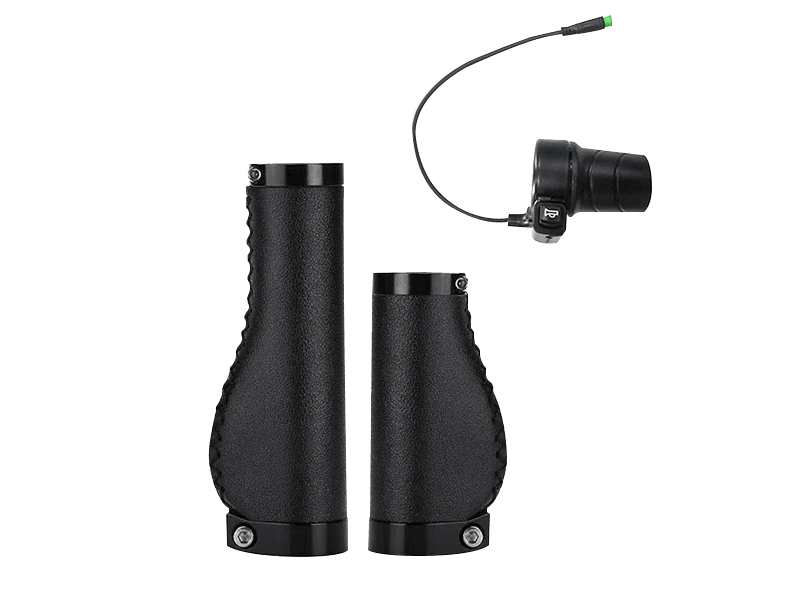
Twist Throttle with Grips (Right-Hand Only)
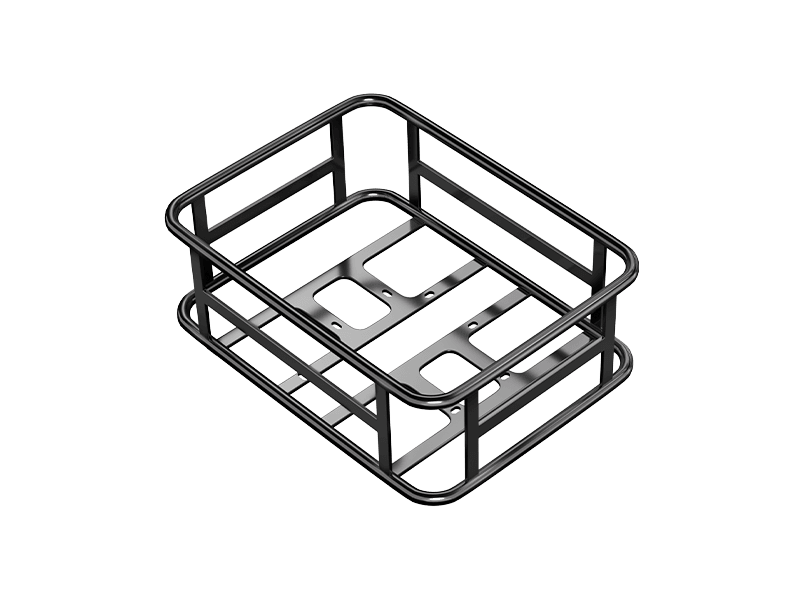
Rear Basket

Foldable Platform

Side Surfboard Rack

Bike Fishing Rod Holders (A Pair)

(Pre-order) Cargo Trailer

CRAVOT CyberRack E2 Hitch Bike Rack
There's no item in your cart.
You May Also Like
Twist Throttle with Grips (Right-Hand Only)
$69.00
Rear Basket
$69.00 $99.00
Foldable Platform
$79.00
Side Surfboard Rack
$99.00
Bike Fishing Rod Holders (A Pair)
$29.00
(Pre-order) Cargo Trailer
$299.00
CRAVOT CyberRack E2 Hitch Bike Rack
$400.00
You're Saving $0.00
Shipping, taxes, and discount codes calculated at checkout.All Topics


Best Hunting E-Bikes: Which FREESKY Electric Bike Is Right for Your Outdoor Adventure?
Sep 08, 2026
For many hunters and outdoor enthusiasts, getting to the destination can be just as demanding as the activity itself. Long forest roads, steep hills, loose gravel, muddy trails, and uneven terrain can turn a short trip into a physically demanding ride. Add a backpack, outdoor gear, tools, water, and other supplies, and a conventional bicycle may not provide the stability, range, or power needed for the route. A hunting e-bike can help reduce the physical effort required to cover long distances and challenging terrain. With features such as fat tires, suspension, high-torque motors, large batteries, and dual-motor systems, the right electric bike can make it easier to explore more of the outdoors. But not every rider needs the same type of hunting e-bike. Some riders prioritize maximum torque and traction for steep or loose terrain. Others need long battery range for extended trips far from a charging point. Some want a lighter and more manageable bike for general outdoor riding, while others need a high-capacity setup for carrying additional equipment. To help you choose, we compared several FREESKY high-performance e-bikes based on terrain, torque, battery capacity, range, motor configuration, tire size, suspension, and riding style. Quick Comparison of FREESKY Hunting E-Bikes Model Best For Key Advantage Battery & Max Range* Motor Setup Torque Tire Size Cheetah MT-380 Long-distance and demanding off-road adventures Dual motors + 60Ah battery 48V 60Ah, up to 200 miles 2000W × 2 Peak 120 N·m × 2 20 × 4 in Alaska Pro M-520 Hills, rough terrain, and long-range riding 170 N·m torque + dual battery 48V 45Ah, up to 175 miles 4500W Peak 170 N·m 26 × 4 in Warrior Ultra M-530 High-power off-road riding Dual motors + high torque 60V 30Ah, up to 120 miles 3000W × 2 Peak 130 N·m × 2 26 × 4 in Ranger Plus M-540 Versatile high-performance riding Dual motors + large battery 48V 30Ah, up to 120 miles 2500W × 2 Peak 125 N·m × 2 26 × 4 in Swift Horse Ultra X-6E Long-distance trail riding BAFANG motor + high torque 48V 35Ah, up to 140 miles 4000W Peak 150 N·m 26 × 4 in Eurostar Turbo M-410 Moderate off-road and general outdoor riding Dual-motor performance 48V 25Ah, up to 105 miles 2000W × 2 Peak 105 N·m × 2 26 × 4 in Ranger Air M-540 All-around outdoor riding Balanced dual-motor setup 48V 25Ah, up to 105 miles 2000W × 2 Peak 105 N·m × 2 26 × 4 in *Maximum range is based on specified test conditions. Actual range varies with rider weight, terrain, speed, temperature, wind, tire pressure, riding mode, and other factors. Cheetah MT-380: Best for Maximum Range and Dual-Motor Performance If your outdoor adventures involve long distances, demanding terrain, and limited access to charging, the FREESKY Cheetah MT-380 is one of the strongest options in the lineup. Its biggest advantage is the combination of dual 2000W peak motors and a massive 48V 60Ah battery. The dual-motor system provides power to both wheels, with up to 120 N·m of torque per motor. When riding on loose gravel, dirt, hills, or other challenging surfaces, having two motors working together can provide additional traction and climbing support. The 60Ah battery is equally important. With a claimed maximum range of up to 200 miles, the Cheetah MT-380 is designed for riders who want substantial battery capacity for extended outdoor adventures. That extra capacity can be useful when a route includes long distances, detours, elevation changes, or sections where charging isn't readily available. The Cheetah also features 20 × 4-inch fat tires and front and rear suspension, providing a setup suited to rougher terrain. At approximately 122 pounds, however, this is not a lightweight e-bike. Its size and weight are worth considering if you frequently need to lift the bike onto a vehicle or maneuver it through tight areas. Best For - Long-distance outdoor adventures- Remote trails- Riders who prioritize battery capacity- Steep or challenging terrain- Riders looking for dual-motor performance If maximum range is your number-one priority, the Cheetah MT-380 stands out from the rest of the FREESKY lineup. Alaska Pro M-520: Best for High Torque and Challenging Terrain Not every demanding route is about distance. If your main challenge is steep climbs, rough ground, loose surfaces, or changing terrain, torque becomes particularly important. The FREESKY Alaska Pro M-520 delivers up to 160 N·m of torque, making it one of the highest-torque models in the FREESKY lineup. It combines a 4000W peak motor, a 48V 45Ah dual-battery setup, 26 × 4-inch fat tires, and front and rear suspension. The dual-battery configuration provides a large energy reserve, while the 26-inch fat-tire platform is designed for riders who want stability across a variety of outdoor surfaces. The Alaska Pro M-520 has a claimed maximum range of up to 175 miles, giving it a strong balance between long-distance capability and high-torque performance. The main reason to choose this model, however, is its 160 N·m torque output. High torque can provide stronger low-speed pulling power when climbing hills, starting on an incline, or moving across demanding terrain. It can be especially useful when the bike is carrying additional gear or when the riding surface doesn't provide consistent traction. Best For - Steep hills- Rough and uneven terrain- Riders who prioritize torque- Long-distance outdoor trips- Riders carrying additional equipment If your route is more about challenging terrain than simply covering the greatest possible distance, the Alaska Pro M-520 is a compelling choice. Warrior Ultra M-530: Best for High-Power Dual-Motor Riding For riders who want the added traction and power distribution of a dual-motor system, the FREESKY Warrior Ultra M-530 offers a high-performance setup. It uses two 3000W peak motors, delivering up to 6000W peak power, with 130 N·m of torque per motor. That means both wheels can contribute power when conditions become more demanding. The Warrior Pro features a 60V 30Ah LG battery, a claimed maximum range of up to 120 miles, 26 × 4-inch fat tires, and front and rear suspension. Compared with the Cheetah MT-380, the Warrior Pro uses a smaller battery, making it more focused on the balance between power and usable range rather than maximum battery capacity. Its dual-motor configuration can be particularly useful on routes where traction changes frequently. Best For - Dual-motor performance- Steep and uneven terrain- Riders who want strong acceleration- Off-road adventures- Riders who want a balance between power and range If you want a high-output FREESKY with dual motors without moving all the way to the Cheetah's 60Ah battery, the Warrior Pro is worth considering. Ranger Plus M-540: Best for Versatile High-Performance Riding The FREESKY Ranger Plus M-540 offers another dual-motor configuration with a strong combination of power and battery capacity. It features two 2500W peak motors, up to 125 N·m of torque per motor, and a 48V 30Ah Samsung/LG battery. Its claimed maximum range is up to 120 miles, while 26 × 4-inch fat tires and suspension help it handle a range of outdoor surfaces. This model is a practical middle ground for riders who want high-performance dual-motor capability but don't necessarily need the extremely large battery of the Cheetah MT-380. Best For - Mixed outdoor terrain- Hills and gravel- Riders who want dual motors- Longer weekend adventures- General high-performance riding Swift Horse Ultra X-6E: Best for Long-Range Single-Motor Performance If you want high torque and long range but don't necessarily need a dual-motor system, the FREESKY Swift Horse Ultra X-6E offers a different approach. It uses a 4000W peak BAFANG motor with up to 150 N·m of torque and a 48V 35Ah LG battery. The claimed maximum range reaches up to 140 miles, giving the Swift Horse Ultra a strong combination of torque and battery capacity. The bike also features 26 × 4-inch fat tires and front and rear suspension, making it suitable for a variety of outdoor terrain. One advantage of choosing a single-motor setup is that you don't necessarily need the additional complexity and weight associated with a dual-motor system. Best For - Long-distance trail rides- Riders who want high torque- Mixed terrain- Riders who prefer a single-motor setup- Extended outdoor adventures For riders who want high torque without going to a dual-motor configuration, the Swift Horse Ultra X-6E is an interesting alternative. Which FREESKY Hunting E-Bike Is Right for You? Choosing a hunting or outdoor e-bike becomes easier when you identify the main challenge of your typical route. Best for Maximum Range: Cheetah MT-380 With a 48V 60Ah battery and claimed range of up to 200 miles, the Cheetah is the clear choice for riders who prioritize battery capacity and extended-distance adventures. Best for High Torque: Alaska Pro M-520 With up to 160 N·m of torque, the Alaska Pro M-520 is the strongest choice for riders who regularly encounter hills, rough terrain, and demanding surfaces. Best for Dual-Motor Power: Warrior Pro M-530 Two 2000W peak motors and 120 N·m × 2 provide strong dual-motor performance for riders who want additional drive support on challenging terrain. Best for Balanced Dual-Motor Performance: Ranger Plus M-540 The Ranger Plus combines dual motors, a 30Ah battery, and up to 120 N·m × 2 of torque for riders looking for a versatile high-performance setup. Best for High Torque Without Dual Motors: Swift Horse Ultra X-6E The Swift Horse Ultra X-6E delivers 140 N·m of torque and a large 35Ah battery in a single-motor configuration. High Torque vs. High Battery Capacity: Which Matters More? These two specifications solve different problems. Torque matters when you're dealing with hills, low-speed acceleration, loose surfaces, heavier loads, and challenging terrain. Battery capacity matters when you're trying to cover greater distances or want more reserve for a long ride. For example, a rider spending most of the day on steep forest roads may benefit more from a high-torque setup such as the Alaska Pro M-520. A rider planning a long-distance trip with fewer charging opportunities may benefit more from the Cheetah MT-380's 60Ah battery. If your riding includes both challenges, models such as the Cheetah MT-380, Alaska Pro M-520, Warrior Pro M-530, and Ranger Plus M-540 combine substantial battery capacity with high-output motor configurations. The important point is that more of one specification doesn't automatically mean the bike is better for every rider. Dual Motor or Single Motor? A dual-motor e-bike uses two motors to provide power to both wheels. The main advantage is additional traction and drive support, particularly when riding on steep, loose, or uneven surfaces. FREESKY dual-motor models include: - Cheetah MT-380- Warrior Pro M-530- Ranger Plus M-540- Eurostar Turbo M-410- Ranger Air M-540 Single-motor models can offer a simpler and often lighter configuration while still delivering substantial torque. For example: - Alaska Pro M-520 — 170 N·m- Swift Horse Ultra X-6E — 150 N·m- Warrior Ultra M-530 — 260 N·m- Ranger Air M-540 — 210 N·m So the choice isn't simply dual motor = better. Instead, ask yourself what your route actually requires. If traction is your biggest concern, dual motors may be valuable. If you want high torque while keeping the setup simpler, a high-torque single-motor model may be enough. Peak Power vs. Rated Power: What Should You Look At? When comparing high-performance e-bikes, it's important to understand the difference between peak power and rated/continuous power. Peak power represents the maximum output the motor system can reach under certain conditions. It is useful for understanding the performance potential of a motor system, but it should not automatically be interpreted as its continuous operating power. Rated or continuous power describes the motor's intended continuous output under specified conditions. This distinction is particularly important when comparing e-bikes from different brands. For example, a model advertised with 4000W peak power should not automatically be compared with another model based only on a 4000W figure without checking how each manufacturer defines and measures its motor output. Torque is another separate specification. A higher wattage number does not automatically mean higher torque, and two motors with similar peak power can deliver different riding characteristics. When comparing FREESKY models, look at the complete picture: Power + Torque + Battery Capacity + Motor Configuration + Tires + Suspension + Rider/Load + Terrain That's a much more useful way to evaluate an e-bike than focusing on a single number. How Much Torque Do You Actually Need? There's no universal torque number that is right for every rider. As a general guide: Torque Range Typical Use 40–60 N·m Flat roads and light commuting 60–90 N·m Daily riding and moderate hills 90–120 N·m Hills, heavier loads, and mixed terrain 120–150 N·m Steeper terrain, fat-tire, and off-road riding 150+ N·m Very demanding terrain and high-load applications These ranges are general guidance rather than a guarantee of performance. Actual climbing ability and acceleration depend on the motor design, controller, gearing, battery output, rider weight, terrain, and other factors. For riders specifically looking for a high-torque outdoor e-bike, FREESKY offers models reaching 260 N·m. What Should You Carry on an Outdoor E-Bike Adventure? A hunting or outdoor e-bike can help transport gear, but riders should always stay within the bike's specified load limits. Depending on your route and activity, common equipment may include: - Backpack- Water- Navigation equipment- Phone or communication device- Basic repair tools- Spare tube or tire-repair equipment- Weather-appropriate clothing- Food and other personal supplies- Lights and safety equipment Keep heavier items securely positioned and avoid placing loose gear where it could interfere with the wheels, drivetrain, brakes, or steering. Remember that total payload includes the rider and cargo, so always check the specifications for your specific FREESKY model before loading the bike. Prepare Your E-Bike Before Heading Out Long outdoor rides deserve a little preparation. Before leaving, check: - Battery charge- Tire pressure- Brake operation- Suspension condition- Chain and drivetrain- Lights and electrical connections- Cargo and rack security- Total rider and cargo weight For longer trips, it is also smart to plan your route before leaving and keep enough battery reserve for the return journey. Cold temperatures, strong winds, low tire pressure, steep climbs, high speeds, and heavy loads can all reduce real-world range. Follow Local Hunting, Trail, and E-Bike Regulations A high-performance e-bike is not automatically permitted everywhere. Before riding, check the rules that apply to the specific land, trail, hunting area, or public property you plan to visit. Requirements can vary depending on the state, local jurisdiction, land manager, trail classification, and type of e-bike. Always respect: - Local e-bike regulations- Trail access restrictions- Private property- Hunting regulations and seasons- Wildlife- Other trail users- Posted speed or access restrictions Responsible riding helps keep outdoor access available for everyone. Choose Your FREESKY Adventure Partner The best hunting e-bike isn't necessarily the one with the highest peak power or the largest battery. It's the one that matches the way you actually ride. If you need maximum range, look toward the Cheetah MT-380. If high torque and challenging terrain are your priority, consider the Alaska Pro M-520. If you want dual-motor performance, the Warrior Pro M-530 or Ranger Plus M-540 may be a better fit. If you want high torque in a single-motor setup, the Swift Horse Ultra X-6E or Wild Cat Ultra A-340 are worth considering. And if you prefer a more natural pedal-assist experience, the Rocky Pro A-320 offers a torque-sensor setup. The right choice starts with your route, your riding style, and what you need to carry. Choose the features that solve your biggest riding challenge — then get out and explore. Ready for Your Next Outdoor Adventure? Explore the FREESKY lineup of high-performance electric bikes and find the model that fits your terrain, riding distance, and adventure style. Ride Further. Explore More. Go Beyond the Ordinary.
Read More

Eurostar Turbo vs. Eurostar Ultra: What's New in the 2026 Upgrade?
Jul 10, 2026
The FREESKY Eurostar Ultra has earned a reputation as a capable all-terrain fat tire eBike, combining strong power, long range, and full suspension for riders who enjoy everything from daily commuting to off-road adventures. Now, FREESKY has introduced the 2026 Eurostar Turbo, bringing meaningful upgrades in power, control, safety, and rider confidence. If you're wondering whether the new model is worth choosing over the Eurostar Ultra, this comparison highlights the biggest differences to help you decide. Feature Eurostar Ultra Eurostar Turbo Peak Motor Power 3000W Peak Motor 3500W Peak Dual Motor Maximum Torque 130 Nm 200 Nm Top Speed 37 MPH 34 MPH Battery 48V 25Ah Lithium Battery 48V 25Ah Removable Battery Maximum Range 50–95 Miles 60–105 Miles Suspension Full Suspension Hydraulic Fork + Adjustable Rear Suspension Brakes 4-Piston Hydraulic Brakes Dual 4-Piston Hydraulic Disc Brakes Lighting Standard Lighting Brake Light + Rear Turn Signals 1. More Power for Challenging Terrain One of the biggest upgrades is the new 3500W peak dual-motor system. While the Eurostar Ultra already delivers strong performance with its 3000W peak motor, the Eurostar Turbo adds a second motor to provide better traction and more balanced power distribution. Whether you're riding through deep sand, climbing steep hills, or tackling muddy trails, dual motors make acceleration smoother and help maintain momentum on difficult terrain. For riders who regularly explore beyond paved roads, this is one of the most noticeable improvements. 2. Higher Torque Means Easier Hill Climbing Torque plays a major role in how an eBike feels when accelerating or climbing. - Eurostar Ultra: 130 Nm- Eurostar Turbo: 200 Nm That increase allows the Turbo to climb steeper inclines with less effort while carrying riders, cargo, or additional gear. Higher torque also improves low-speed control, making technical trails and uneven terrain feel more manageable. 3. Longer Range for Bigger Adventures Both bikes are designed for long-distance riding, but the Eurostar Turbo extends the maximum range to up to 105 miles under pedal assist. Combined with its removable 48V 25Ah battery, advanced Battery Management System (BMS), and TÜV-certified UL2271 battery safety, the Turbo offers greater confidence for riders planning longer commutes or weekend adventures. Longer range means spending more time riding and less time thinking about charging. 4. Improved Suspension for Better Comfort Both models feature full suspension, but the Eurostar Turbo introduces an upgraded suspension system with a hydraulic front fork and adjustable rear shock. This setup helps absorb impacts from: - Gravel roads- Forest trails- Rocky paths- Potholes- Uneven city streets The result is a smoother ride, better tyre contact with the ground, and improved control across changing terrain. 5. Better Braking for More Confidence Powerful motors deserve equally capable stopping performance. The Eurostar Ultra already features 4-piston hydraulic brakes, while the Eurostar Turbo further enhances braking confidence with dual 4-piston hydraulic disc brakes paired with large 180 mm rotors. This upgraded system provides: Stronger stopping powerBetter braking consistency on long descentsImproved performance in wet or muddy conditionsGreater confidence during emergency stops For riders travelling at higher speeds or carrying additional weight, dependable braking is just as important as motor power. If you're comparing different models, you can also explore our collection of dual motor electric bikes to find the right option for your riding style. 6. More Safety Features for Everyday Riding The Eurostar Turbo isn't only about performance—it also introduces several practical safety improvements. Compared with the Eurostar Ultra, the new model adds: - TÜV-certified UL2271 battery- TÜV-certified UL2849 eBike system- Integrated brake light- Rear turn signals- Advanced Battery Management System (BMS)- IP65 waterproof removable battery These upgrades provide greater peace of mind whether you're commuting through traffic or riding after sunset. Which Bike Is Right for You? The Eurostar Ultra remains an excellent choice for riders who want a capable fat tire eBike for everyday riding, recreational adventures, and light off-road use. The Eurostar Turbo, however, is designed for riders looking for: - More climbing power- Better traction on loose terrain- Longer riding range- Enhanced braking performance- Upgraded suspension- TÜV-certified electrical safety- Additional visibility with brake lights and turn signals If you're buying your first high-performance eBike—or upgrading from a previous model—the Eurostar Turbo delivers meaningful improvements that go beyond higher specifications on paper. Final Thoughts The 2026 Eurostar Turbo builds on everything riders appreciated about the Eurostar Ultra while introducing upgrades that improve real-world riding. With a 3500W dual-motor system, 200 Nm of torque, up to 105 miles of range, upgraded suspension, TÜV-certified safety, and dual 4-piston hydraulic disc brakes, it's designed for riders who want greater capability across almost any terrain. If you're planning to purchase one during launch, don't forget that the Super Early Bird Offer provides an opportunity to secure the lowest available price before regular retail pricing returns. 👉 Reserve your FREESKY Eurostar Turbo Super Early Bird Coupon.
Read More

5 Ways Riding an E-Bike Boosts Mental Health This Summer
May 25, 2026
Summer has a different energy. The days feel longer. The air feels lighter. People spend more time outside, windows stay open later, and suddenly even an ordinary ride feels like an escape from routine. But modern life doesn’t automatically slow down just because the weather improves. Notifications still buzz. Work stress still follows people home. Endless scrolling still eats away at attention spans. And mentally, many people feel more overstimulated and exhausted than ever. That’s one reason summer e-bike rides feel so refreshing. You head out for a ride, sunlight hits your face, warm air moves past you, and within minutes something shifts. Your shoulders relax. Your breathing steadies. Your thoughts become quieter and clearer. And there’s real science behind why. From reducing stress hormones to improving mood and encouraging social connection, riding an e-bike can offer meaningful mental health benefits — especially during summer when longer days naturally encourage more outdoor activity. Here are five reasons summer e-bike riding may be one of the best things you can do for your mind this season. 1. Movement Helps Reduce Stress and Improve Mood One of the biggest mental health benefits of riding an e-bike is simple: You’re moving your body. Even with pedal assist, e-bike riding still involves physical activity that encourages the brain to release chemicals associated with improved mood and reduced stress, including: - Endorphins - Dopamine - Serotonin These play important roles in emotional balance, motivation, and mental wellbeing. Research consistently shows that moderate aerobic activity can help: - Reduce stress - Improve mood - Support emotional resilience - Decrease symptoms of anxiety And this is where e-bikes stand out. Traditional cycling can sometimes feel intimidating due to: - Hills - Fatigue - Long distances - Fitness concerns - Joint discomfort Pedal assist helps remove many of those barriers. Instead of feeling overwhelmed by effort, riders can stay in a comfortable, sustainable rhythm — exactly where many mental health benefits occur. The result feels less like “exercise” and more like freedom. 2. Summer Riding Helps You Disconnect From Screens Most people spend a huge portion of the day looking at screens. Phones, laptops, televisions, notifications, emails, social media, news updates — the brain rarely gets a real break from digital stimulation. Summer e-bike rides interrupt that cycle. When you ride: - Your hands leave the phone - Your attention shifts outdoors - Your eyes focus on movement and scenery instead of screens - Your brain processes real-world sensory input Warm wind, trees moving in the sunlight, changing landscapes, birds, traffic sounds, ocean air, shaded paths — these experiences engage the brain differently than digital content. Natural environments help reduce mental fatigue and allow attention to recover more naturally. Even a short evening ride through a park or neighbourhood trail can feel mentally refreshing in a way screen-based downtime often doesn’t. 3. Sunlight Supports Better Mental Balance One of summer’s biggest mental health advantages is increased daylight. Sunlight plays a major role in regulating: - Sleep cycles - Energy levels - Mood - Hormone balance Exposure to natural light helps support serotonin production, which is strongly associated with emotional stability and positive mood. After spending months indoors during colder seasons, many people unknowingly experience disruptions to these natural rhythms. Summer riding helps reset them. Morning or evening rides expose the body to natural daylight while combining: - Movement - Fresh air - Outdoor stimulation - Moderate exercise That combination can help improve: - Sleep quality - Energy during the day - Emotional balance - Overall mental clarity And unlike sitting outside passively, riding adds motion and engagement that make the experience even more immersive. 4. Riding Creates More Social Connection Mental health is strongly connected to human connection. Unfortunately, modern routines often make social interaction feel surprisingly limited. Many conversations now happen through screens instead of shared experiences. E-bike riding naturally creates opportunities for real-world connection. That could mean: - Riding with friends - Family weekend rides - Coffee runs together - Group trail rides - Meeting other riders along the route One reason cycling works so well socially is because the interaction feels relaxed and low-pressure. You don’t have to sit face-to-face forcing conversation. Riding side-by-side often creates more natural and comfortable communication. Even small social interactions during rides can improve mood and reduce feelings of isolation. And during summer, people are naturally more likely to: - Spend time outdoors - Explore local trails - Attend events - Ride recreationally That makes summer one of the best seasons for turning riding into a shared experience. 5. Exploring New Places Keeps the Brain Engaged The brain responds positively to novelty. New environments stimulate curiosity, attention, and motivation in ways repetitive routines often don’t. E-bikes make exploration easier because they expand how far you can comfortably travel. Suddenly: - A scenic trail across town feels accessible - A beach path becomes an easy afternoon ride - A hidden café or park becomes part of the adventure - Longer routes feel manageable instead of exhausting And riding at bike speed changes how you experience places. You notice: - Small streets - Quiet greenways - Summer markets - Waterfront paths - Sunsets - Hidden neighbourhood spots These small discoveries create moments of curiosity and enjoyment that help break mental monotony. Even short local rides can feel like mini-adventures during summer when the weather encourages exploration. Why Summer E-Bike Riding Feels Different Summer naturally encourages outdoor activity. Longer days, warmer temperatures, and better weather make it easier to ride consistently and spend more time outside. And consistency matters. Mental health benefits are strongest when movement becomes part of regular life rather than an occasional activity. E-bikes make that easier by removing many common barriers: - Physical fatigue - Fear of hills - Long distances - Time pressure - Fitness anxiety That’s why many riders find themselves riding far more often than expected once summer arrives. The Bigger Picture Riding an e-bike won’t magically eliminate stress or solve every mental health challenge. But it can create something many people are missing: - Movement - Fresh air - Sunlight - Exploration - Social connection - Time away from screens And often, those small consistent experiences make a bigger difference than people realise. Sometimes improving mental wellbeing doesn’t require escaping life completely. Sometimes it simply starts with getting outside, pedalling forward, and letting the summer air clear your head one ride at a time.
Read More

Is Riding an Electric Bike Actually Good for Your Heart? A Closer Look at E-Bikes, Cardio Health, and Everyday Fitness
May 25, 2026
For decades, cycling has been recognised as one of the most heart-friendly forms of exercise. Doctors, fitness experts, and organisations like the American Heart Association consistently recommend regular aerobic activity to support long-term cardiovascular health. But as electric bikes become increasingly popular, one question continues to appear: Does riding an e-bike really count as exercise? Some people still assume that pedal assist removes physical effort entirely. In reality, modern e-bikes work very differently — and the science behind cardiovascular health tells a much more interesting story. The truth is, e-biking can absolutely provide meaningful cardiovascular benefits. In many cases, it may even help people stay active more consistently than traditional exercise routines. Let’s take a closer look at why. What Actually Improves Cardiovascular Health? Your heart doesn’t care whether exercise feels extreme. From a physiological perspective, cardiovascular fitness improves when your body consistently experiences: - Elevated heart rate - Sustained movement - Increased oxygen demand - Repeated aerobic activity over time This is what strengthens the cardiovascular system. According to general fitness guidelines, moderate-intensity aerobic activity is enough to support heart health when performed consistently throughout the week. That means exercise does not need to feel exhausting to be effective. And this is exactly where e-bikes become interesting. What Pedal Assist Really Does One of the biggest misconceptions about electric bikes is that the motor does all the work. In reality, pedal assist systems are designed to support rider input — not replace it. Most e-bikes amplify the effort you already put into the pedals. The rider is still: - Pedalling - Generating movement - Engaging muscles - Elevating heart rate The motor simply reduces excessive strain and makes riding more manageable. This creates two major advantages: 1. Reduced Physical Barriers Pedal assist helps riders handle: - Hills - Headwinds - Longer distances - Joint discomfort - Fatigue This makes cycling accessible to a much wider range of people. 2. Longer and More Frequent Rides Because riding feels less intimidating and less exhausting, many e-bike owners naturally: - Ride farther - Ride more often - Replace short car trips with cycling - Spend more total time being active From a cardiovascular perspective, consistency matters enormously. Does E-Biking Raise Heart Rate? Yes — often more than people expect. Studies comparing traditional cycling and e-biking have found that e-bike riders commonly reach moderate aerobic heart rate zones, especially during: - Starts and acceleration - Hills and climbs - Longer rides - Wind resistance - Mixed terrain While heart rate may be slightly lower than intense traditional cycling, it still frequently falls within the range associated with cardiovascular benefits. In other words:Your heart is still working. Why Moderate Exercise Matters So Much Many people assume only intense workouts improve fitness. But long-term cardiovascular health is often built through moderate, sustainable activity repeated consistently over time. This includes: - Steady cycling - Walking - Jogging - Swimming - Moderate aerobic movement E-bikes are particularly effective because they make moderate exercise easier to maintain regularly. For many adults, that’s far more realistic than demanding high-intensity training several times per week. E-Bikes Encourage Consistency One of the biggest challenges in fitness isn’t starting. It’s continuing. Traditional exercise routines often fail because they become: - Too time-consuming - Too physically demanding - Difficult to maintain consistently E-bikes reduce many of those barriers. Riders are more likely to cycle regularly because: - Commuting feels easier - Hills feel manageable - Longer rides feel achievable - Recovery feels quicker - Riding becomes enjoyable instead of exhausting That consistency can create meaningful long-term cardiovascular improvements. The Mental Health Connection Heart health isn’t only physical. Stress, poor sleep, and chronic mental fatigue also affect cardiovascular wellbeing. Regular outdoor cycling can help reduce: - Stress levels - Sedentary behaviour - Mental fatigue - Anxiety related to inactivity E-bike riding combines: - Rhythmic movement - Outdoor exposure - Fresh air - Lower physical strain - Enjoyable activity This combination often encourages sustainable healthy habits rather than short-term fitness motivation. E-Biking and Daily Movement One major advantage of e-bikes is that they naturally integrate movement into everyday life. Instead of requiring dedicated workout sessions, e-bikes often replace: - Short car journeys - Commuting - Local errands - School runs - Weekend transport This increases overall daily activity levels without requiring major lifestyle disruption. And for cardiovascular health, reducing sedentary time is extremely important. Are E-Bikes Good for Beginners or Older Adults? Absolutely. E-bikes are especially valuable for: - Beginners returning to exercise - Older adults - Riders recovering from injury - People with joint discomfort - Individuals lacking confidence on traditional bikes Pedal assist allows riders to stay active while controlling physical intensity more comfortably. Many riders who struggle with traditional cycling find e-bikes much more approachable and sustainable long term. Can E-Bikes Still Improve Fitness? Yes. Although pedal assist reduces maximum physical strain, regular e-bike riding can still help improve: - Aerobic endurance - Leg strength - Cardiovascular efficiency - Overall activity levels - Exercise consistency And importantly, people who enjoy riding are far more likely to keep doing it. That may be one of the biggest fitness advantages of e-bikes overall. Why E-Bikes May Be More Effective Than “Perfect” Exercise Plans The most effective form of exercise is usually the one people genuinely maintain. A demanding fitness programme that lasts three weeks is often less beneficial than moderate daily activity sustained for years. E-bikes help remove many of the barriers that stop people from staying active consistently: - Lack of time - Fear of hills - Fatigue - Fitness anxiety - Physical limitations By making movement easier and more enjoyable, e-bikes help more people stay active regularly — and that’s exactly what long-term heart health depends on. So, Is Riding an E-Bike Good for Your Heart? From a cardiovascular perspective, the answer is clearly yes. E-biking: - Raises heart rate into beneficial aerobic zones - Encourages longer and more frequent activity - Supports sustainable daily movement - Helps reduce sedentary behaviour - Makes cycling accessible to more people Will it feel exactly the same as intense road cycling or interval training? Not necessarily. But for many people, e-bikes provide something arguably more valuable:A realistic, enjoyable, and sustainable way to stay active consistently. And when it comes to long-term cardiovascular health, consistency matters far more than occasional exhaustion. Pedal assist doesn’t remove exercise. It helps more people keep moving.
Read More

How Tire Width Affects the Riding Experience: A Guide to Fat Tire E-Bikes
May 18, 2026
Electric bikes have quickly become one of the most popular ways to commute, explore trails, and enjoy the outdoors. But while many riders focus on motor power or battery range, one feature has a huge impact on ride quality and overall comfort: tire width. Just like suspension or wheel size, tires completely change how an e-bike feels on the road. Thin tires are fast and efficient on pavement, while fat tires provide more grip, cushioning, and confidence across rough terrain. That’s why fat tire e-bikes have become a favorite for riders looking for more adventure, stability, and all-terrain capability. In this guide, we’ll break down how tire width affects riding performance, the benefits of fat tire electric bikes, and some powerful FREESKY models worth considering. Does Tire Width Affect Ride Comfort? Absolutely. Your tires are the only part of the bike constantly touching the ground, so their width directly impacts comfort, traction, and control. Thin tires create less rolling resistance, making them ideal for smooth roads and higher speeds. However, they transmit more vibration and can struggle on loose or uneven terrain. Fat tires work differently. Their wider footprint increases contact with the ground, improving stability and grip. At the same time, the larger air volume acts like natural suspension, helping absorb bumps, potholes, gravel, and rough trails. The result is a smoother and more confidence-inspiring ride, especially for off-road adventures or long-distance riding. What Are Fat Tire E-Bikes? Fat tire e-bikes use oversized tires that are typically 4.0 inches or wider. Standard e-bike tires usually range from 1.5 to 2.5 inches, which works well for city streets and bike lanes. Fat tires, however, are designed for riders who want more traction and versatility across different terrains. They perform especially well on: - Sand - Snow - Gravel - Mud - Rocky trails - Wet roads Because of their stability and comfort, fat tire electric bikes are popular among commuters, trail riders, hunters, and outdoor explorers alike. Fat Tire vs Standard Tire E-Bike Benefits of Fat Tire E-Bikes Better Stability Fat tires create a larger contact patch with the ground, helping the bike feel more balanced and controlled, especially on rough terrain or at higher speeds. For riders tackling hills or trails, models like the FREESKY Warrior Pro combine 26" × 4" fat tires with dual motors and full suspension for excellent all-terrain stability. Improved Traction Wider tires provide better grip on loose surfaces where thinner tires may slide or spin out. This makes fat tire e-bikes ideal for gravel roads, snow, sand, and mountain trails. The FREESKY Alaska Pro is built for these conditions, pairing 26" fat tires with a powerful 4000W peak motor and 160Nm torque for strong climbing performance. It’s an excellent option for riders searching for an electric bike for hills or a long range fat tire ebike. Smoother Ride Quality One of the biggest advantages of fat tires is comfort. Their lower air pressure helps absorb impacts naturally, reducing strain on your hands, arms, and lower back during longer rides. The FREESKY Swift Horse Ultra combines fat tires with a full suspension system and a powerful BAFANG motor, creating a smooth and capable ride across trails, roads, and uneven terrain. More Terrain Versatility Fat tire e-bikes are designed for riders who want freedom beyond paved roads. Whether you're riding through forest trails, snowy streets, beach paths, or rough backroads, fat tires provide the traction and confidence needed to handle changing terrain. The FREESKY Ranger Air adds even more versatility with an AI-powered dual motor system, full suspension, and a comfortable step-through frame design. It’s also a strong choice for riders looking for a reliable hunting electric bike. How to Choose a Fat Tire E-Bike Consider Your Riding Style Think about where you ride most often. If you mainly ride on pavement and prioritize efficiency, a standard tire e-bike may be enough. But if you ride mixed terrain, steep hills, or rough roads, fat tires provide a much more comfortable and capable experience. Riders focused on trail riding may also want to explore electric mountain bikes for more off-road-specific setups. Look at Battery Capacity Fat tires create more rolling resistance, so battery size becomes even more important. For long-distance riding, larger battery systems help maintain range and performance. Some standout FREESKY options include: - Warrior Pro — 48V 30Ah Samsung battery - Swift Horse Ultra — 48V 35Ah Samsung battery - Alaska Pro — 48V 45Ah dual battery system If range is your priority, consider browsing dual battery electric bikes or Samsung battery ebikes for additional comparisons. Best FREESKY Fat Tire E-Bikes Warrior Pro — Best for Power & Off-Road Riding Peak 4000W dual motors 40MPH top speed Full suspension 26" × 4" fat tires 120-mile max range Ideal for riders who want aggressive climbing power and true all-terrain performance. Alaska Pro — Best for Long Range Dual battery 48V 45Ah system Up to 200+ mile range Peak 4000W motor Full hydraulic suspension Perfect for long-distance adventures and riders who want maximum range with fat tire capability. Swift Horse Ultra — Best Balance of Comfort & Performance Peak 3500W BAFANG motor Up to 140-mile range Full suspension system 4-piston hydraulic brakes A strong all-around option for commuting, trail riding, and weekend adventures. Ranger Air — Best Smart Dual Motor E-Bike AI-powered dual motor system 200Nm torque Full suspension Step-through frame 105-mile range Designed for riders who want comfort, technology, and versatile all-terrain capability. Final Thoughts Tire width has a major impact on how an e-bike rides. While thinner tires are efficient on smooth roads, fat tires deliver better comfort, traction, and confidence across unpredictable terrain. For riders who want more adventure, stability, and all-terrain freedom, a fat tire electric bike can completely transform the riding experience. And with powerful models like the Warrior Pro, Alaska Pro, Swift Horse Ultra, and Ranger Air, FREESKY offers e-bikes built for everything from daily commuting to serious off-road exploration.
Read More

How Far Can an Electric Bike Go? Tips for Planning Longer Summer Rides
May 11, 2026
Summer is one of the best seasons to enjoy an electric bike. Whether you're commuting to the beach, cruising local bike trails, running errands, or planning a full-day outdoor adventure, one question always comes up: How far can an electric bike actually go on a single charge? The answer depends on several factors, including battery size, riding style, terrain, and motor power. But with modern long-range e-bikes, many riders can travel much farther than they expect — often without worrying about range anxiety at all. In this guide, we’ll explain what affects e-bike range, how to maximize battery performance, and how to plan the perfect summer ride. What Is E-Bike Range? E-bike range refers to the distance an electric bike can travel on a fully charged battery. Some riders only need enough power for short city commutes, while others want an e-bike capable of all-day exploration or long off-road adventures. Depending on the model and riding conditions, most electric bikes can travel anywhere from: - 20–40 miles on smaller battery systems - 50–80 miles on larger batteries - 100+ miles on high-capacity or dual-battery e-bikes For riders who love longer adventures, long range electric bikes are becoming increasingly popular thanks to improved battery technology and more efficient motor systems. What Affects E-Bike Range? No two rides use battery power exactly the same way. Here are the biggest factors that influence how far your e-bike can go. 1. Pedal Assist Level Higher pedal assist settings provide more motor power, but they also consume more battery. Using lower PAS levels helps extend range significantly, especially on flatter roads or casual rides. If you only use maximum power mode, your battery will drain much faster than if you pedal consistently with moderate assistance. 2. Throttle Usage Throttle riding is convenient and fun, especially for quick acceleration or climbing hills. However, throttle-only riding typically consumes much more energy than pedal assist mode. For maximum efficiency: - Use pedal assist for most riding - Reserve throttle power for hills or short boosts This is especially important on high-performance fat tire electric bikes, which naturally require more energy because of larger tires and more powerful motors. 3. Terrain and Hills Flat roads are much easier on an e-bike battery than steep climbs or rough off-road trails. Mountain riding, loose gravel, sand, mud, and uneven terrain all increase motor workload and reduce overall range. That’s why powerful models like the FREESKY Warrior Pro and Alaska Pro combine large battery systems with high-torque motors designed for all-terrain riding. 4. Rider and Cargo Weight Additional weight requires more motor output. This includes: - Heavy backpacks - Camping gear - Groceries - Child seats - Trailers Cargo-heavy riding can reduce battery efficiency, especially during acceleration or hill climbing. For riders carrying gear regularly, dual motor electric bikes often provide better performance and efficiency under load. 5. Wind and Weather Strong headwinds force the motor to work harder, which increases battery consumption. Temperature also affects lithium-ion battery performance: - Cold weather can temporarily reduce range - Warm summer conditions are generally more battery-friendly That’s one reason summer is ideal for long-distance e-bike adventures. 6. Tire Pressure and Bike Maintenance Simple maintenance can make a noticeable difference in efficiency. To maximize range: Keep tires properly inflated Lubricate the drivetrain Check brake alignment Maintain proper chain tension Underinflated tires create extra rolling resistance, especially on full suspension fat tire e-bikes. How to Plan Longer Summer E-Bike Rides One of the biggest advantages of owning an e-bike is the ability to explore farther with less physical fatigue. Here are a few ways to make the most of your summer rides. Choose Your Destination First E-bikes open up more possibilities for: - Beach rides - Scenic trails - Coffee shop trips - Campground cruising - Park-to-park exploration - Weekend adventures With a powerful all-terrain electric bike, even rough backroads and gravel trails become much more accessible. Understand Your Battery Capacity Before heading out, familiarize yourself with: - Battery size (Ah / Wh) - Estimated range - Charging time - Remaining battery indicators For example: - The FREESKY Swift Horse Ultra features a 48V 35Ah Samsung battery capable of up to 140 miles under ideal conditions. - The Alaska Pro’s dual battery system extends range even further, offering up to 200+ miles per charge. Use Assist Modes Strategically You don’t always need maximum power. Using: - Eco mode on flat roads - Mid-level assist for cruising - High assist only for hills can significantly increase total ride distance. Bring Your Charger for Longer Adventures Planning an all-day ride? Bringing your charger allows you to recharge during: - Lunch stops - Campsites - Coffee breaks - Work hours - Visits with friends Even partial charging can add meaningful extra range for the ride home. Summer Ride Ideas by Distance Need inspiration? Here are some popular summer e-bike ride ideas. 5–10 Miles - Neighborhood cruise - Ice cream run - Quick errands - Sunset ride Great for casual riding and lightweight commuter e-bikes. 10–25 Miles - Farmers market trips - Scenic greenway rides - Park loops - Brunch across town Ideal for versatile electric bikes for adults with moderate battery capacity. 25+ Miles - Full-day adventures - Mountain trail exploration - Beach or lake trips - Visiting nearby towns - Camping rides This is where long range fat tire e-bikes truly shine. Tips to Maximize E-Bike Range Want to squeeze more miles from every charge? Here are a few simple habits that help: - Fully charge before long rides - Keep tires properly inflated - Pedal consistently with assist - Avoid repeated full-throttle acceleration - Ride at steady speeds - Store batteries indoors when possible - Reduce unnecessary cargo weight Small improvements can noticeably increase total riding distance. Ready for Summer Riding? Modern e-bikes make it easier than ever to ride farther, explore more terrain, and enjoy longer outdoor adventures with less effort. So how far can an electric bike go? Far enough to turn simple summer rides into full-day experiences. Whether you're cruising city streets, exploring trails, or planning your next weekend adventure, the right e-bike can take you farther than you expected — comfortably, efficiently, and with plenty of fun along the way.
Read More

Are eBikes Actually Good for the Earth
Apr 15, 2026
A Clear, Practical Look at Emissions, Batteries, and Everyday Impact 🌍 Around Earth Day, a lot of products suddenly start looking… greener. Some of them earn it.Some of them stretch it. eBikes are one of the few that actually hold up when you take a closer look. They’re not just a feel-good alternative—they’re a practical way to reduce everyday impact, especially in how we get around. So instead of big claims, let’s keep this simple. Why Transportation Matters More Than We Think If you’re looking at environmental impact, transportation is one of the biggest levers. In the U.S., it’s a major source of emissions—and most of it doesn’t come from long road trips. It comes from the small stuff: - Commuting to work - Running errands - School drop-offs - Quick trips just a few miles away Those everyday drives add up fast. And here’s the part most people don’t realize: A huge share of car trips are short—and those short trips are often the least efficient. That’s exactly where eBikes start to make sense. How Efficient Are eBikes, Really? From an energy standpoint, eBikes are in a completely different category. - A full charge costs just a few cents - You can ride for miles on minimal electricity - Energy use is a fraction of any car Even electric cars—while a big step forward—still use significantly more energy per mile. eBikes? Once they’re charged, they produce zero emissions while riding. Let’s Talk About the Battery 🔋 This is usually the first concern people bring up—and it’s a fair one. Yes, eBikes use lithium-ion batteries.And yes, making them has an environmental cost. But scale matters here. - eBike batteries are relatively small - They use far fewer materials than car batteries - They’re built to last for years When you look at the full lifecycle, something interesting shows up: That initial impact gets offset faster than most people expect. Batteries vs Gas: It’s About When the Impact Happens There’s a reason batteries get more attention—they’re visible. But the bigger difference is timing. Gas cars create emissions every time you drive.Every mile adds more. There’s no pause. eBikes work differently. - Most of the impact happens upfront - After that, they just… keep going - Charging uses minimal energy - Riding produces no direct emissions So it’s not about one being perfect. It’s about: ongoing impact vs mostly upfront impact And over time, that adds up in a very different way. Simply put—the more you ride, the less that early footprint matters. Not just “better”—just fundamentally lighter. Where eBikes Actually Make a Difference 🚲 This is the part that matters most. eBikes don’t need to replace every car trip to make an impact. They just need to replace some of them. And they make that easier by: - Taking the strain out of longer rides - Making hills and wind manageable - Letting you commute without overexertion That small shift—choosing to ride instead of drive—starts happening more often. And that’s where the real change comes from. Cleaner Air—Right Where You Live 🌿 Beyond carbon, there’s something people notice right away: air quality. Cars produce: - Nitrogen oxides - Fine particles - Tire and brake dust These don’t stay abstract—they show up in the air around us. eBikes don’t produce these emissions while riding. And when more short trips shift away from cars, the result is simple: - Cleaner air - Less noise - Less congestion Not theoretical benefits—just everyday improvements. A Lighter Impact Overall Cars don’t just use fuel—they require space and systems: - Roads - Parking - Maintenance - Infrastructure expansion All of that has a long-term environmental cost. eBikes are lighter across the board. They take up less space, use fewer resources, and fit into existing environments more easily. It’s not dramatic—but it’s meaningful. Built to Keep Paying Off No product is impact-free. What matters is how long it stays useful. Well-built eBikes are: - Durable - Serviceable - Designed for long-term use And even when a battery eventually needs replacing, the bike itself keeps going. The longer it replaces car trips, the more it offsets its original footprint. So… Are eBikes Actually Good for the Earth? Yes—but not because they’re perfect. Because they’re practical. They: - Use far less energy per mile - Eliminate emissions while riding - Replace short car trips - Improve local air quality - Reduce pressure on infrastructure They don’t rely on ideal conditions or big lifestyle changes. They just make it easier to drive a little less. And that’s really what Earth Day is about. Not perfection—just progress. Even a few swapped trips each week is enough to start making a difference. Quietly, consistently, and in a way that actually fits real life.
Read More

How Much Can You Save Commuting by E-Bike in 2026?
Apr 03, 2026
With the cost of living continuing to rise across the United States in 2026, commuting has quietly become one of the largest recurring monthly expenses for many households. From fuel and insurance to parking and maintenance, daily transportation costs can quickly add up—often more than people expect. Based on estimates from the American Automobile Association and Internal Revenue Service, the true cost of driving a car ranges between US$0.55 and US$0.85 per mile when factoring in fuel, depreciation, insurance, and upkeep. For daily commuters, that translates into thousands of dollars per year. As a result, more Americans are exploring practical alternatives—and electric bikes are emerging as one of the most cost-efficient options available. The Real Cost of Daily Commuting Fuel Expenses Continue to Add Up Gas prices remain unpredictable in 2026. Many commuters now spend approximately US$200–US$350 per month on fuel, depending on commute distance and vehicle efficiency. For longer commutes, annual fuel costs alone can easily exceed several thousand dollars. Parking, Insurance, and Maintenance Driving involves more than just fuel. Parking fees in urban areas, rising insurance premiums, and ongoing maintenance costs significantly increase total commuting expenses. According to American Automobile Association, the average annual cost of owning and operating a car now exceeds US$11,000. Public Transportation Isn’t Always Cheap While public transit can reduce some expenses, it is not always the most economical solution. In many U.S. cities, average monthly transportation costs range from US$260 to US$320, making it a considerable long-term expense. How E-Bikes Reduce Your Monthly Costs Minimal Charging Costs Electric bikes are extremely energy-efficient. Data from the U.S. Energy Information Administration shows that residential electricity rates range from US$0.16 to US$0.30 per kWh. In practice, this means: - A full e-bike charge costs only a few cents - Monthly charging costs typically range from US$2 to US$5 - Even frequent riders spend less on electricity than a single day of driving Free or Low-Cost Parking Maintenance: A Major Cost Advantage Cars require regular servicing, oil changes, and costly repairs. Over time, these expenses accumulate quickly. E-bikes, by comparison: - Have fewer mechanical components - Require no fuel system maintenance - Incur significantly lower servicing costs Routine maintenance for an e-bike—such as brake checks or tire replacements—is relatively inexpensive, making long-term ownership far more predictable. Unlike cars, e-bikes can often be parked for free or at minimal cost. This is especially valuable in dense urban areas where parking fees can significantly impact daily expenses. Maintenance: A Major Cost Advantage Cars require regular servicing, oil changes, and costly repairs. Over time, these expenses accumulate quickly. E-bikes, by comparison: - Have fewer mechanical components - Require no fuel system maintenance - Incur significantly lower servicing costs Routine maintenance for an e-bike—such as brake checks or tire replacements—is relatively inexpensive, making long-term ownership far more predictable. Health and Lifestyle Benefits Beyond financial savings, commuting by e-bike offers meaningful lifestyle improvements: - Encourages regular physical activity - Reduces stress compared to traffic-heavy driving - Eliminates time spent searching for parking - Makes daily commuting more flexible and enjoyable For many riders, the shift to an e-bike transforms commuting from a daily burden into a more engaging part of the day. Environmental Impact E-bikes also provide a clear sustainability advantage. They: - Produce zero direct emissions - Reduce reliance on fossil fuels - Help decrease urban congestion and air pollution As cities continue to prioritize cleaner transportation solutions, e-bikes are becoming an increasingly practical choice for environmentally conscious commuters. Estimated Annual Savings When comparing commuting methods, the difference is substantial: Potential annual savings: US$6,500–US$10,000+ Conclusion In 2026, commuting by e-bike is not just a trend—it is a financially and practically sound decision. Compared with cars and even public transportation, e-bikes offer: 1.Significantly lower daily costs 2.Reduced maintenance requirements 3.Improved physical and mental well-being 4.Greater flexibility in urban environments 5.A smaller environmental footprint Whether for commuting, errands, or leisure, switching to an e-bike can deliver both immediate savings and long-term benefits.
Read More

Choosing to Ride Through Winter: A Practical Look at FREESKY Fat Tire E-Bikes
Jan 16, 2026
Winter riding is often framed as a challenge.In practice, it’s a decision shaped by expectations, equipment, and daily habits. For riders who value consistency, winter doesn’t automatically end the riding season. With a suitable electric bike and a realistic approach, riding through colder months remains practical and manageable Winter Riding Is a Choice, Not a Test Many riders stop cycling in winter not because it’s impossible, but because routines change. Shorter days and colder air alter riding patterns, yet they don’t remove the need for mobility or outdoor activity. Electric bikes reduce the physical barrier. Pedal assist helps regulate effort, making winter rides more predictable rather than exhausting. The focus shifts from performance to continuity. Where Fat Tires Help in Winter Conditions FREESKY fat tire electric bikes are equipped with 26” × 4.0” tires, designed to increase surface contact and stability on uneven terrain. In winter, this wider footprint helps riders maintain balance on wet pavement, slush, and rough road surfaces. While these are not studded snow tires, fat tires offer a more forgiving ride when conditions are variable, especially in urban and suburban environments. Understanding the Limits of Winter Riding Winter riding works best when expectations are realistic. Ice, heavily compacted snow, and extreme weather always require caution. Adjusting riding speed, maintaining smooth braking, and monitoring tire pressure all contribute to safer winter rides. A stable setup supports confidence, but rider judgment remains essential. Who Winter E-Bike Riding Is Suitable For Winter e-bike riding suits riders who prioritize steady routines over speed. Daily commuters, casual riders, and those using their e-bike for short trips often find winter riding manageable with proper planning. Rather than chasing distance or performance, winter riders tend to value reliability and comfort—areas where fat tire electric bikes perform consistently. Why Some Riders Prefer Winter Riding Fewer cars, quieter streets, and less crowded paths change the riding experience. Winter riding often feels more deliberate and less rushed. For some riders, this quieter environment becomes a reason to continue riding rather than pause. Riding through winter maintains momentum and makes the transition into spring feel natural rather than like a restart. Riding Without Waiting Winter doesn’t need to be treated as a gap between riding seasons. Choosing to ride through winter is simply choosing continuity. With the right mindset and a practical electric bike setup, riding remains part of everyday life—regardless of the calendar. 👉 Explore FREESKY Fat Tire Electric Bikes
Read More
| Product Title |
| Price |
| Color |
| Frame Style |
| Mode |
| Power |
| Battery Capacity |
| Charging Time |
| Assist Speed |
| Range |
| Rider Height |
| Rear Derailleur |
| Front Fork |
| Motor |
| Sensor |
| Charger |
| Torque |
| Suspension |
| Display |
| Brakes |
| Tires |
| Seat Post |
| Bike Weight |


