Ranger AIR Review: Real-World Power Meets Intelligent Riding

CLIMB. CRUISE. CONQUER.

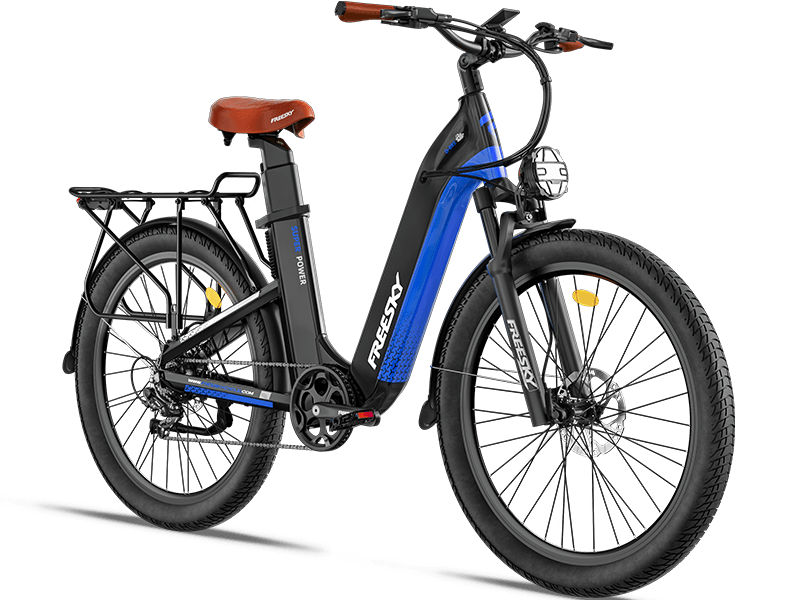
Specs alone don’t define a great eBike—real performance does. The FREESKY Ranger AIR delivers 3500W dual motor power, AI-driven control, and long-range capability, all validated in real-world riding conditions. From steep climbs to city cruising, this eBike is designed for riders who demand power, versatility, and comfort.

Watch Real Riders Test the Ranger AIR

Instead of relying on marketing claims, see how the Ranger AIR performs in real-world conditions—from unboxing to hill climbs and long-distance rides.

1. Real Ride Test: Power, Range & Unexpected Moments

@Hazers (214K followers) tested:

- Dual motor acceleration and torque response

- Real riding range (~31 miles under test conditions)

- Handling on mixed terrain

- Practical observations and tips

Takeaway: Power delivery is strong, smooth, and reliable.

👉 Watch Full Test & Shop Ranger AIR

2. Budget vs Performance: Is It Worth It?

@citizencycle (53.5K followers) evaluated:

- Value for money

- Real-world usability

- Comparison with other budget eBikes

Takeaway: High performance without premium price.

👉 See Details & Buy Now

3. New Release Overview: First Impressions

@Electric Vehicles Space (223K followers) highlighted:

- Dual motor capability

- Versatility across riding scenarios

- Ideal for urban and off-road adventures

Takeaway: Feature-rich, reliable, ready to ride.

👉 Explore & Purchase Ranger AIR

3500W AI Dual Motor: Power That Adapts to You

The Ranger AIR is powered by a 3500W dual motor system delivering up to 200Nm torque, with AI-driven power distribution.

Key benefits:

- Automatically adjusts torque for terrain

- Reduces rider effort by up to 20%

- Handles 40° slopes and rough dirt roads with ease

This makes riding effortless while maintaining full control.

Experience Effortless Riding → Shop Now

Up to 105 Miles Range: Built for Real Distance

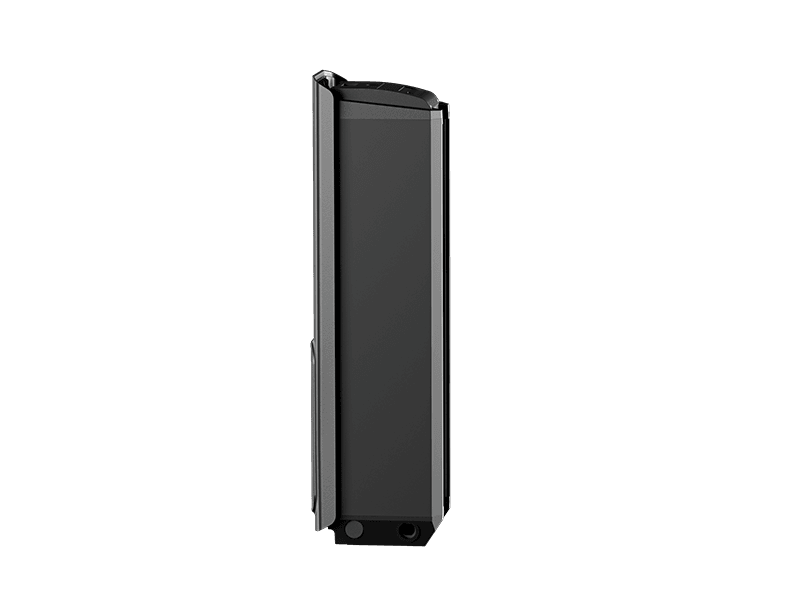
Equipped with a 48V 25Ah removable battery, the Ranger AIR can reach up to 105 miles on a single charge.

Advantages:

- Long-distance commuting or adventure rides

- 3A fast charging for minimal downtime

- Detachable for indoor charging

- BMS protection for battery safety

Ride Farther with Ranger AIR → Order Today

Full Suspension + Fat Tires: Comfort Across Terrain

Designed for stability and comfort:

- Adjustable hydraulic full suspension

- 26” fat tires for traction

- Step-through frame for easy mounting (fits riders 5’4”–6’8”)

Benefits:

- Absorbs over 90% of road vibrations

- Stable and smooth on dirt, gravel, and pavement

- Comfortable for long rides across all terrains

Ride Smooth & Stable → Get Yours Now

7 Riding Modes: One Bike, Multiple Scenarios

The Ranger AIR adapts to every situation with 7 riding modes:

- Dual motor / single motor

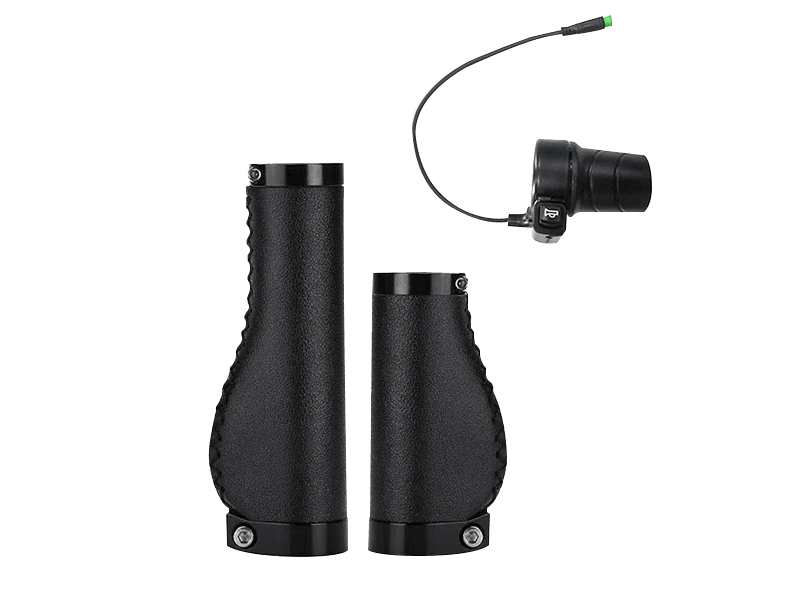
- Pedal assist

- Throttle-only

- Cruise control

- Walk assist

- Manual pedaling

From steep climbs to casual cruising, switching is seamless.

Customize Your Ride → Buy Ranger AIR

Smart Features That Improve Daily Use

- Advanced LCD display showing speed, battery level, and distance

- NFC keyless unlock system for card or smartphone access

- Simplified and secure daily operation

Smart, Secure, Ready → Shop Now

What Real Riders Say

- “Amazing bike for the price. Impressive performance on a budget.” — Vitalie V.
- “The bike is a beast. I bought it for the dual motor.”

See Why Riders Love Ranger AIR → Order Here

Final Verdict: Tested, Not Just Promised

The FREESKY Ranger AIR combines:

- 3500W dual motor with 200Nm torque

- AI-assisted riding system

- Up to 105 miles range

- Full suspension and fat tires for comfort

- Validated by real-world rider tests

It’s powerful, versatile, and reliable—ready for commuting, off-road adventures, and everything in between.

Conquer Any Terrain → Buy Ranger AIR Now

Leave a comment

More Posts

Earth Day Bike Ride Event: Turn Every Kilometer into a Greener Future 🌍🚴

Apr 20, 2026

Each year, Earth Day reminds us that protecting the planet doesn’t always require grand gestures. Sometimes, the most meaningful change comes from simple, consistent actions—like choosing to ride instead of drive. This year, we’re inviting riders to celebrate Earth Day in a more active and impactful way: by turning every kilometer into a step toward a cleaner, greener world. Why Ride for Earth Day? Transportation is one of the largest contributors to carbon emissions. Swapping short car trips for bike rides can significantly reduce your personal carbon footprint. Beyond the environmental benefits, cycling also improves physical health, reduces stress, and reconnects you with your surroundings. Earth Day is not just about awareness—it’s about action. And there’s no better way to take part than by getting out and riding. Event Overview 📅 Event Duration: April 21–27, 2026 During this week, every ride you take becomes part of a collective effort to make a difference. Whether it’s a quick commute, a scenic weekend ride, or a long-distance challenge, your kilometers matter. How to Participate Joining is simple and open to all riders: - Track your rides: Record the total kilometers you ride each day. - Share your journey: Post your daily distance along with photos from your ride in the group. - No bike restrictions: Scenic photos are welcome—even if your Freesky bike isn’t in the frame. This event isn’t just about competition—it’s about sharing experiences, inspiring others, and celebrating the joy of riding. Rewards for Your Effort 🎁 To recognize your participation and enthusiasm, we’ve prepared a selection of prizes: 🥇 First Prize (1 winner): Bike Care Kit + US$300 eBike Discount Voucher 🥈 Second Prize (3 winners): Electric Air Pump 🥉 Third Prize (5 winners): US$30 Accessories Discount Voucher How Winners Are Selected Winners will be determined based on the number of likes their posts receive. This encourages not only active participation but also community engagement—so be sure to share your best moments and interact with fellow riders. Winner Announcement 📢 April 27, 2026 All winners will be announced at the end of the event. Stay engaged, support others, and maximize your chances by sharing compelling ride stories and visuals. Make Every Kilometer Count Earth Day is a reminder that small actions, when multiplied by many, can create real impact. Each kilometer you ride represents less pollution, less congestion, and a healthier lifestyle. So whether you’re riding through city streets, coastal paths, or quiet countryside roads—know that your effort contributes to something bigger. This Earth Day, ride with purpose.Share your journey.And help move the world forward—one kilometer at a time. 🌱🚴

Read More

Save More, Ride Electric. ⚡️ Why More Riders Are Switching to eBikes

Apr 17, 2026

With fuel prices remaining unpredictable, many commuters are reconsidering how they move through daily life. Electric bikes have quietly become one of the most practical alternatives to car dependency—especially for short urban and suburban trips. Research from transportation institutes has consistently shown that a significant share of eBike usage replaces car trips, particularly for commuting, errands, and first/last-mile travel. This shift is not just a lifestyle trend—it reflects a broader change in how people balance cost, convenience, and sustainability. Here’s what’s driving the transition. Cut Daily Transportation Costs—Not Just Fuel ⛽ One of the most immediate advantages of switching to an eBike is cost reduction. Compared to a car, the ongoing expenses are dramatically lower: - Energy cost: Charging an eBike typically costs only a few dollars per year in electricity under normal usage conditions. - Maintenance: Routine servicing is generally simple and inexpensive, often limited to tires, brakes, and basic tune-ups. - Insurance & registration: Most eBikes do not require the same financial commitments as motor vehicles. Meanwhile, car ownership continues to rise in total annual cost due to fuel, insurance, maintenance, and unexpected repairs. For many users, even replacing a few weekly car trips with an eBike quickly offsets the initial purchase cost. A growing number of entry-level eBikes are also priced competitively, making the switch more accessible than ever. A Lower-Impact Way to Move 🌱 Transportation remains one of the largest contributors to urban emissions. Even short-distance car trips—often under a few miles—account for a disproportionate share of unnecessary fuel consumption. Shifting these trips to eBikes helps reduce: - Tailpipe emissions from short commutes - Traffic congestion in dense areas - Overall energy consumption per trip Because eBikes are electrically assisted rather than fully motor-driven like cars, their environmental footprint is significantly lower across both usage and infrastructure impact. Even partial adoption—such as replacing one or two weekly car commutes—can collectively scale into meaningful reductions in emissions when adopted widely across cities. Built for Everyday Convenience 🚲 Beyond cost and environmental benefits, practicality is a major reason riders make the switch. eBikes are particularly effective for: - Short-to-medium commutes (typically under 10 miles) - Urban errands and grocery trips - Avoiding traffic delays and parking constraints They also reduce friction in daily planning—no fuel stops, fewer parking issues, and more predictable travel times in congested areas. For many riders, the experience feels less like “transportation planning” and more like simply riding out when needed. A Shift That’s Already Happening The rise of eBikes is not theoretical—it’s visible in everyday commuting patterns across cities. As infrastructure improves and awareness grows, more riders are integrating electric cycling into their routine rather than treating it as a niche alternative. This transition is gradual, but consistent: fewer short car trips, more flexible local mobility, and a steady rethinking of what “daily transportation” looks like. Final Thought Switching to an eBike is not about replacing every car trip. It’s about replacing the ones that don’t need to be driven. For many riders, that small change is where the real savings—and convenience—begin. ⚡

Read More

Are eBikes Actually Good for the Earth

Apr 15, 2026

A Clear, Practical Look at Emissions, Batteries, and Everyday Impact 🌍 Around Earth Day, a lot of products suddenly start looking… greener. Some of them earn it.Some of them stretch it. eBikes are one of the few that actually hold up when you take a closer look. They’re not just a feel-good alternative—they’re a practical way to reduce everyday impact, especially in how we get around. So instead of big claims, let’s keep this simple. Why Transportation Matters More Than We Think If you’re looking at environmental impact, transportation is one of the biggest levers. In the U.S., it’s a major source of emissions—and most of it doesn’t come from long road trips. It comes from the small stuff: - Commuting to work - Running errands - School drop-offs - Quick trips just a few miles away Those everyday drives add up fast. And here’s the part most people don’t realize: A huge share of car trips are short—and those short trips are often the least efficient. That’s exactly where eBikes start to make sense. How Efficient Are eBikes, Really? From an energy standpoint, eBikes are in a completely different category. - A full charge costs just a few cents - You can ride for miles on minimal electricity - Energy use is a fraction of any car Even electric cars—while a big step forward—still use significantly more energy per mile. eBikes? Once they’re charged, they produce zero emissions while riding. Let’s Talk About the Battery 🔋 This is usually the first concern people bring up—and it’s a fair one. Yes, eBikes use lithium-ion batteries.And yes, making them has an environmental cost. But scale matters here. - eBike batteries are relatively small - They use far fewer materials than car batteries - They’re built to last for years When you look at the full lifecycle, something interesting shows up: That initial impact gets offset faster than most people expect. Batteries vs Gas: It’s About When the Impact Happens There’s a reason batteries get more attention—they’re visible. But the bigger difference is timing. Gas cars create emissions every time you drive.Every mile adds more. There’s no pause. eBikes work differently. - Most of the impact happens upfront - After that, they just… keep going - Charging uses minimal energy - Riding produces no direct emissions So it’s not about one being perfect. It’s about: ongoing impact vs mostly upfront impact And over time, that adds up in a very different way. Simply put—the more you ride, the less that early footprint matters. Not just “better”—just fundamentally lighter. Where eBikes Actually Make a Difference 🚲 This is the part that matters most. eBikes don’t need to replace every car trip to make an impact. They just need to replace some of them. And they make that easier by: - Taking the strain out of longer rides - Making hills and wind manageable - Letting you commute without overexertion That small shift—choosing to ride instead of drive—starts happening more often. And that’s where the real change comes from. Cleaner Air—Right Where You Live 🌿 Beyond carbon, there’s something people notice right away: air quality. Cars produce: - Nitrogen oxides - Fine particles - Tire and brake dust These don’t stay abstract—they show up in the air around us. eBikes don’t produce these emissions while riding. And when more short trips shift away from cars, the result is simple: - Cleaner air - Less noise - Less congestion Not theoretical benefits—just everyday improvements. A Lighter Impact Overall Cars don’t just use fuel—they require space and systems: - Roads - Parking - Maintenance - Infrastructure expansion All of that has a long-term environmental cost. eBikes are lighter across the board. They take up less space, use fewer resources, and fit into existing environments more easily. It’s not dramatic—but it’s meaningful. Built to Keep Paying Off No product is impact-free. What matters is how long it stays useful. Well-built eBikes are: - Durable - Serviceable - Designed for long-term use And even when a battery eventually needs replacing, the bike itself keeps going. The longer it replaces car trips, the more it offsets its original footprint. So… Are eBikes Actually Good for the Earth? Yes—but not because they’re perfect. Because they’re practical. They: - Use far less energy per mile - Eliminate emissions while riding - Replace short car trips - Improve local air quality - Reduce pressure on infrastructure They don’t rely on ideal conditions or big lifestyle changes. They just make it easier to drive a little less. And that’s really what Earth Day is about. Not perfection—just progress. Even a few swapped trips each week is enough to start making a difference. Quietly, consistently, and in a way that actually fits real life.

Read More

0
Bike Comparison