

All-Terrain Ebike
Conquer Trails, Gravel, and Pavement with Ease


You May Also Like
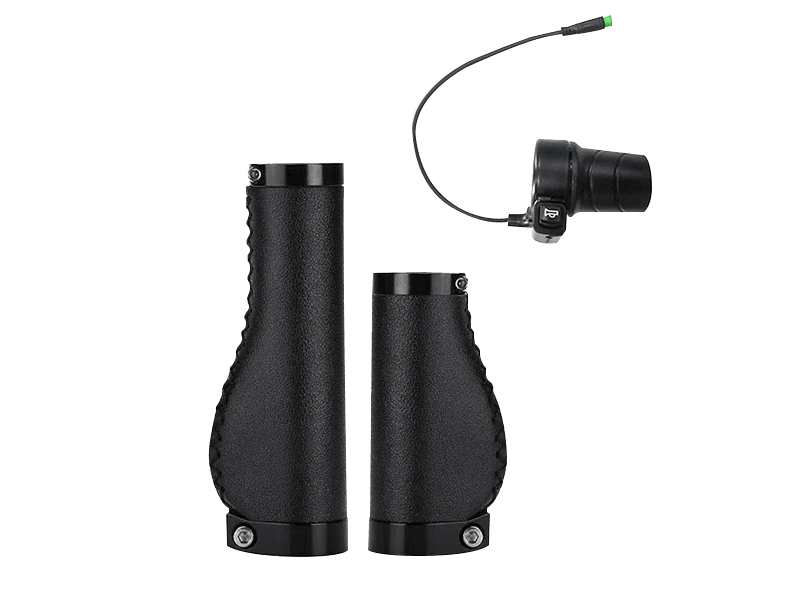
Twist Throttle with Grips (Right-Hand Only)
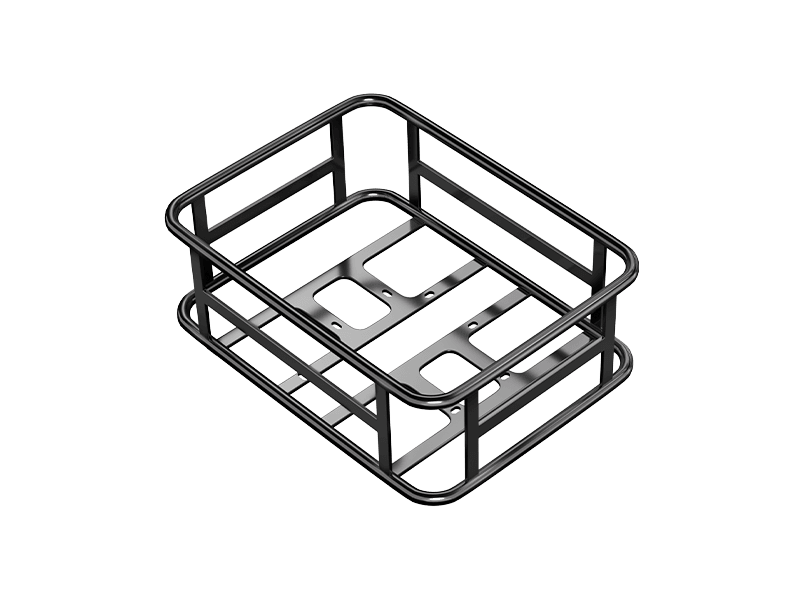
Rear Basket

Foldable Platform

Side Surfboard Rack

Bike Fishing Rod Holders (A Pair)

(Pre-order) Cargo Trailer

CRAVOT CyberRack E2 Hitch Bike Rack
There's no item in your cart.
You May Also Like
Twist Throttle with Grips (Right-Hand Only)
$69.00
Rear Basket
$69.00 $99.00
Foldable Platform
$79.00
Side Surfboard Rack
$99.00
Bike Fishing Rod Holders (A Pair)
$29.00
(Pre-order) Cargo Trailer
$299.00
CRAVOT CyberRack E2 Hitch Bike Rack
$400.00
You're Saving $0.00
Shipping, taxes, and discount codes calculated at checkout.




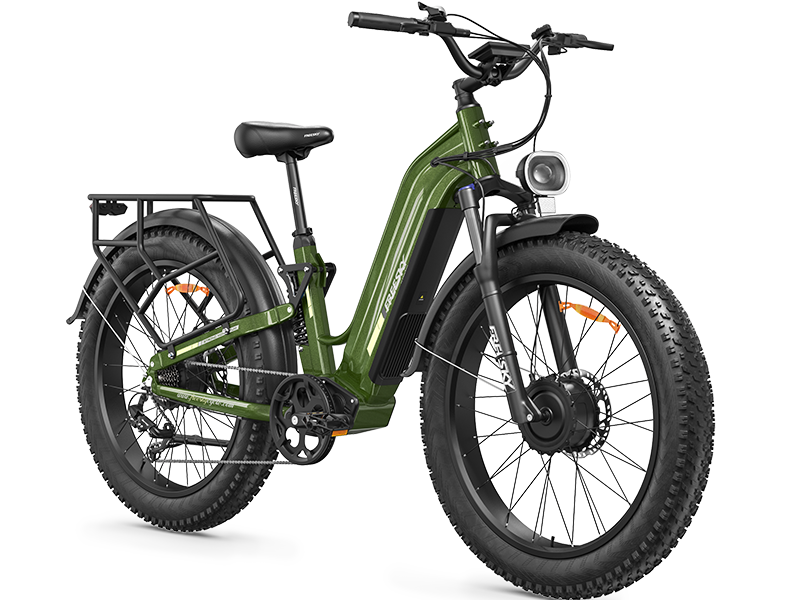


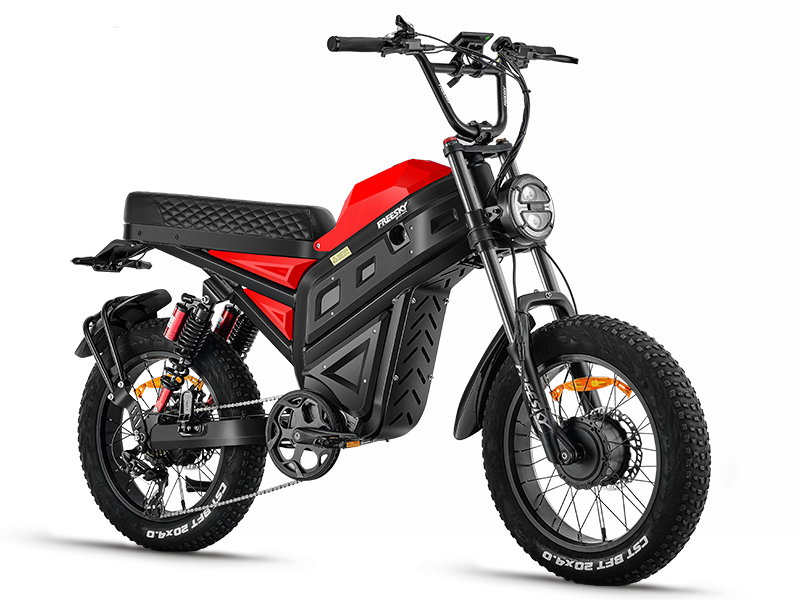


Hear how FREESKY eBikes make every ride easier, safer, and more fun.
Hear how FREESKY eBikes make every ride easier, safer, and more fun.

“Traction was excellent, and rolling on a bit of throttle in some corners allowed for some wheel slip from the powerful hub motor.”

"FREESKY electric bikes cater to various riding styles and terrains, offering options for exceptional speed, climbing power, and balanced efficiency."

"It is a testament to brilliant design and technology blended seamlessly with practicality. Make your daily commute a relaxing experience."

"FREESKY Warrior M-530 offers a powerful e-bike for off-road trails, with a durable frame, comfy seat, and long-lasting battery."

"It can do everything that you throw at it, whether it is riding on roads to work, or doing a touch of light off-roading."

"Testers and owners welcome the high speeds, huge range, and comfortable ride. Owners rave about Freesky's customer support."


Trust, innovation, and unbeatable value in every ride.

Rated 4.8★ on Trustpilot
Real Feedback from Real Riders. Shop Confidently, Ride with Peace of Mind.

Rated 4.8★ on Amazon
Honest Feedback from Riders Like You. Shop Securely, Ride Confidently.

Shop Smarter with Shop Pay
Complete your purchase in seconds and enjoy flexible payment options.

Pay Later with Klarna
Get Your E-Bike Today, Pay in 4 Interest-Free Installments. Ride Now, Pay Later.

Flexible Payments with Affirm
Flexible plans let you ride today and pay over time with peace of mind.

Buy Now, Pay Later with Afterpay
Split your purchase into 4 simple, interest-free payments.
Rated 4.8★ on Trustpilot
Real Feedback from Real Riders. Shop Confidently, Ride with Peace of Mind.
Rated 4.8★ on Amazon
Honest Feedback from Riders Like You. Shop Securely, Ride Confidently.
Shop Smarter with Shop Pay
Complete your purchase in seconds and enjoy flexible payment options.
Pay Later with Klarna
Get Your E-Bike Today, Pay in 4 Interest-Free Installments. Ride Now, Pay Later.
Flexible Payments with Affirm
Flexible plans let you ride today and pay over time with peace of mind.
Buy Now, Pay Later with Afterpay
Split your purchase into 4 simple, interest-free payments.
Tire width depends on terrain and ride style:
Pavement/city streets: 1.5–2″ narrow tires for efficiency.
Mixed/gravel trails: 2.1–3″ tires balance speed and grip.
Sand/snow/soft off-road: ≥3.5–4″ fat tires for traction and float.
Adjust tire pressure: lower (5–10 PSI) for soft surfaces, higher (20–30 PSI) for hard surfaces.
Most all-terrain e-bikes use 500–750W motors. 750W is the US Class 1/2/3 legal limit and provides 20–28 mph top speed. Torque (80+ Nm) is key for steep climbs or heavy riders.
Range depends on battery size, terrain, and assist level. A typical 500–750Wh battery covers 40–80 miles (60–130 km). Dual batteries can exceed 100 miles. Low assist modes extend range; heavy load, high speed, or cold weather reduce it.
For rough trails, full suspension (front + rear) improves comfort and control. For mostly paved roads, a front fork with lockout may suffice. Suspension travel ≥100mm is ideal for technical trails.
Standard all-terrain e-bikes handle ~300–400 lbs (136–181 kg). Some cargo or heavy-duty models exceed 400 lbs. Overloading stresses the frame and components, reducing safety and lifespan.
Check tire pressure, brakes, and drivetrain before each ride. Monthly: clean/lube chain, check bolts, brakes, and tires. Every 3–4 months (~1000 miles): professional tune-up. Store batteries at ~40–60% charge; keep motors clean.
Depends on local laws. Class 1/2 (≤20 mph) typically ride on bike paths/roads; Class 3 (≤28 mph) may require helmets and have age limits. Night riding requires lights and reflectors. Always wear a certified helmet and follow local regulations.
Adjust tire pressure: sand/snow 5–10 PSI, loose dirt 12–20 PSI, pavement 20–30 PSI. Use lower gears on climbs, mid/low assist to save battery. Keep weight slightly back on loose surfaces. Carry repair kit and pump.
Essentials: front/rear lights, fenders, racks, sturdy locks. Off-road: multi-tool, spare tube, pump. Optional: gloves, helmet, padded shorts, mountain shoes, waterproof bags. Choose durable gear rated for outdoor use.
Lock or stiffen suspension on smooth roads; soften for trails. Adjust tire pressure accordingly. Use low assist on flats, high assist on hills. After muddy trails, clean and lube the drivetrain. Shift weight for climbs/descents to maintain stability.
| Product Title |
| Price |
| Color |
| Frame Style |
| Mode |
| Power |
| Battery Capacity |
| Charging Time |
| Assist Speed |
| Range |
| Rider Height |
| Rear Derailleur |
| Front Fork |
| Motor |
| Sensor |
| Charger |
| Torque |
| Suspension |
| Display |
| Brakes |
| Tires |
| Seat Post |
| Bike Weight |


