Is a Full Suspension Bike Better Than a Hardtail?

The debate surrounding the question of whether a full suspension bike is better than a hardtail has long been a topic of discussion among cyclists. Both types of bicycles have their own unique advantages and disadvantages, making the choice between them highly subjective and dependent on the rider's specific needs and preferences. In this article, we will explore the key differences between full suspension and hardtail bikes, and evaluate their respective strengths and weaknesses to provide a clearer understanding of this ongoing debate.


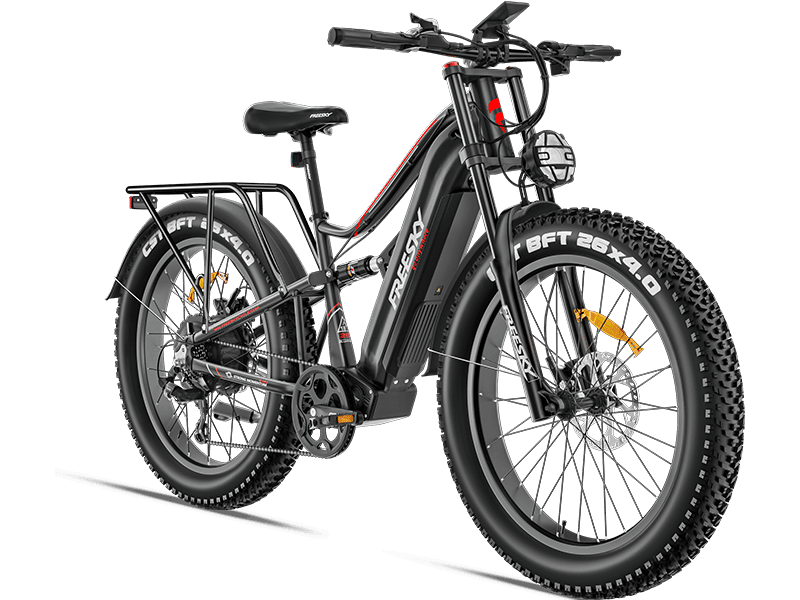
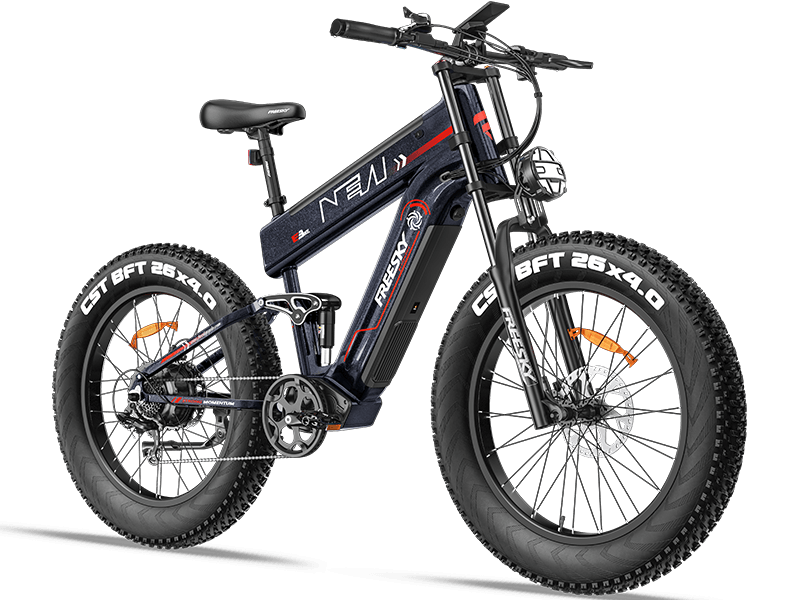
Let's start by defining the two types of bicycles. A hardtail bike refers to a bicycle with a rigid frame that connects the front fork to the rear wheel. It typically features a suspension fork at the front to absorb impacts on the front wheel, but the rear wheel remains fixed to the frame. On the other hand, a full suspension bike has a suspension system that covers both the front and rear wheels, allowing for smoother rides over rough terrain.


One of the primary advantages of a full suspension bike is its ability to provide superior comfort and shock absorption. The rear suspension system effectively decouples the rider from the impacts of bumps and rocks on the trail, greatly reducing fatigue and discomfort. This makes full suspension bikes ideal for riding on rough and technical terrain, such as mountain biking or enduro racing. Riders can tackle steep descents and challenging obstacles with greater confidence and ease, as the bike's suspension system absorbs much of the impact.


However, full suspension bikes are not without their downsides. The added complexity and weight of the rear suspension system can make the bike heavier and more difficult to maneuver, especially on climbs or tight trails. Additionally, the maintenance requirements for a full suspension bike are typically higher, as the suspension components require regular inspection and adjustment to ensure optimal performance.


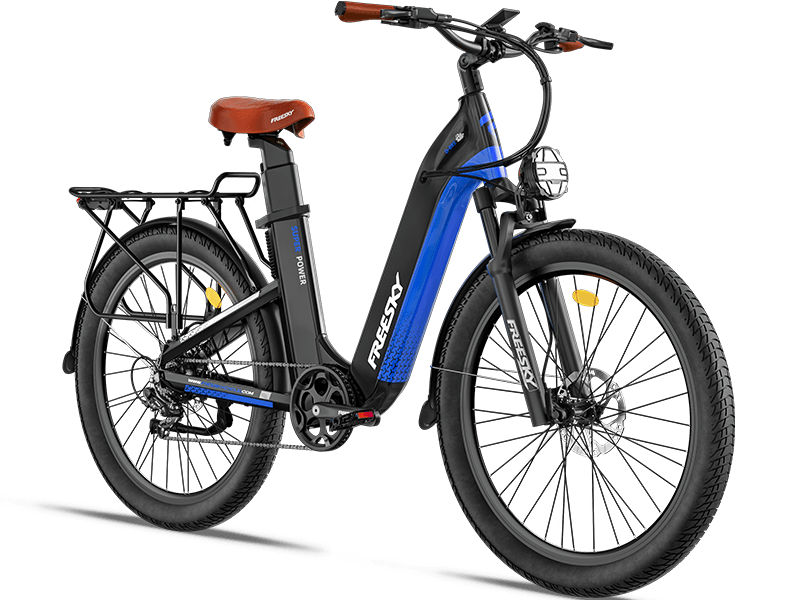
On the other hand, hardtail bikes offer a more direct and responsive riding experience. The rigid frame provides precise steering and feedback, allowing riders to feel more connected to the trail and their bike. This directness is particularly beneficial on smooth or moderately rough terrain, where riders may prioritize precision and control over shock absorption. Hardtail bikes are also lighter and easier to handle, making them a good choice for riders who value agility and maneuverability.


Moreover, hardtail bikes tend to be more affordable than full suspension bikes. The simpler design and fewer components mean that they are generally easier to produce and maintain, resulting in lower overall costs. This can be an important factor for riders on a budget or those who are just starting out in cycling.


However, the lack of rear suspension on a hardtail bike can be a limiting factor on rough terrain. Riders may experience more discomfort and fatigue over extended periods of riding on bumpy trails, as the bike does not provide the same level of shock absorption as a full suspension bike.


So, which bike is better? The answer to this question is highly subjective and depends on the individual rider's needs and preferences. Riders who prioritize comfort and shock absorption on rough terrain may find that a full suspension bike is the better choice. On the other hand, riders who value precision, control, and affordability may prefer a hardtail bike.


It's also worth noting that the choice between a full suspension bike and a hardtail bike is not just a matter of performance but also personal preference. Some riders may enjoy the feel and handling of a hardtail bike, while others may prefer the smooth ride and added confidence provided by a full suspension bike.


In conclusion, the debate over whether a full suspension bike is better than a hardtail bike is not easily resolved. Both types of bicycles have their own unique strengths and weaknesses, and the choice between them should be based on the rider's specific needs, preferences, and budget. Riders should consider the type of terrain they ride on, their riding style, and their personal preferences to make the best decision for themselves. In the end, the most important thing is to find a bike that fits your needs and allows you to enjoy your cycling experience to the fullest.

More Posts

Why You Should Consider an Electric Bike

Dec 08, 2025

The thrill of discovering a new trail, the wind brushing past as you cruise down an open road, the sun warming your face… Or, let’s be honest, maybe you just dislike pedaling up steep hills. Whatever your motivation, researching electric bikes before committing is the smart first step — and you’re here, so congratulations on taking it. In this post, we’ll explore why an electric bike is more than just a mode of transportation. What makes eBikes fun, practical, and increasingly popular? From convenience to adventure, here’s why investing in a FREESKY eBike could change the way you ride. Make Everyday Riding Easier E-bikes are designed to simplify cycling — without removing the fitness benefits entirely. They use modern technology to make commuting, errands, and recreational rides easier and more enjoyable. Key advantages include: - Hills Become Simple: Forget struggling up steep inclines. With a FREESKY motor, you can conquer hills in style and comfort, whether using pedal assist or throttle mode. - Gentle on Joints: Knee pain or joint strain? The electric assist takes the pressure off, letting you pedal lightly while the motor handles the heavy work. - Ride Through Challenging Conditions: Windy streets, light snow, or loose gravel are no longer intimidating. While an eBike isn’t invincible, extra motor power helps you maintain momentum safely. Stay Fit, Feel Energized E-bikes don’t replace exercise — they enhance it. They give you the flexibility to ride further and more frequently, encouraging healthy habits. - Motivation to Ride More: Knowing there’s always assistance available makes you more likely to ride regularly, burning calories and staying active. - Low Impact Cardio: Cycling strengthens your heart and lungs while sparing your joints from harsh impact. - Smart Pedal Assist: Pedal assist keeps your effort consistent, regardless of terrain, so you can enjoy the journey while improving fitness safely. Mountain Biking, Reimagined For those who love trails, an eBike is a game-changer: - Accessibility for All Riders: Steep or technical trails are no longer limited to elite cyclists. FREESKY motors give everyone the ability to navigate challenging terrain. - Arrive Fresh for the Fun Parts: You’ll reach summits with energy to spare, allowing you to enjoy descents and technical sections fully, without exhaustion slowing you down. Fat Tires: The New Standard Fat bikes have redefined off-road riding. Combined with e-bike technology, they deliver unparalleled versatility: - Smooth Comfort: Wide tires distribute your weight evenly, absorbing bumps and offering a more comfortable ride than standard tires. - Stability and Balance: A larger contact patch reduces wobbling and improves confidence on tricky surfaces. - Conquer Diverse Terrain: From sand to snow, mud to gravel, fat tires offer exceptional grip and control, letting you explore with confidence. Why FREESKY eBikes? FREESKY eBikes are designed for riders who value power, reliability, and fun. With full suspension, high-capacity batteries, fat tires, and intuitive pedal-assist systems, our eBikes make every ride an adventure. Whether commuting, exploring trails, or enjoying weekend rides, FREESKY equips you with the performance and comfort you need. Check Deals Join the E-Bike Revolution Electric bikes are more than just transportation — they’re a lifestyle upgrade. Ride farther, tackle hills with ease, and discover new paths without sacrificing fitness. Explore FREESKY’s range today and see why eBiking is becoming the preferred choice for riders worldwide.

Read More

Freesky Eurostar Ultra: Elevating Everyday Rides with Comfort, Speed, and Adventure

Dec 05, 2025

As a 54-year-old male executive chef who deeply values the outdoors, I’m thrilled to share my overwhelmingly positive experience with the Freesky Eurostar Ultra, which I purchased in August 2025. This e-bike has truly been an excellent investment, providing an incredibly smooth and enjoyable ride every time I hop on. The bike’s full suspension system ensures a comfortable experience, even on rougher terrain, and its adjustable features, including five pedal-assist modes, allow for a customized ride depending on my mood or the terrain. With pedal-assist mode three being my usual setting, I can effortlessly cruise at speeds of 45 km/h or more when I feel like pushing myself a bit faster. What I appreciate most is the bike’s impressive battery life, consistently delivering over 65 km on a single charge. This has been more than sufficient for my daily rides, and the fact that I don’t have to worry about running out of power mid-ride is a huge plus. I mostly use it on well-maintained trails and bicycle paths, where it performs flawlessly—offering both comfort and the ability to take in the beauty of the landscape at my own pace. So far, I’ve covered over 2,100 km without encountering a single issue, which speaks volumes about the bike’s build quality and durability. Another feature worth mentioning is its sleek and attractive design. It’s not only practical but also a great conversation starter whenever I stop for a break. Whether I’m exploring new routes or sticking to familiar ones, this bike has truly become an essential part of my daily routine. I ride almost every day, weather permitting, and it has significantly enhanced both my fitness level and overall enjoyment of the outdoors. The slogan “Freesky, go anywhere” really encapsulates everything this bike is about. Whether on smooth pavement or slightly more challenging trails, it always handles beautifully, and I have complete confidence in its performance. It’s not just a mode of transportation; it’s an experience I look forward to every day.

Read More

Electric Bike vs. Scooter Which One Should You Choose

Dec 01, 2025

Electric bikes and scooters have surged in popularity as convenient ways to navigate city streets, parks, and bike paths. With more people seeking alternatives to cars, understanding the differences between these two electric rides is crucial before making a decision. Several factors—ride range, comfort, safety, portability, enjoyment, terrain adaptability, and cost—determine which option is best for your lifestyle. Let’s break down the key differences to help you decide. RangeE-bikes generally offer a longer travel range compared to scooters. Most e-bikes can cover 25–50 miles on a single charge, while high-end models can reach over 100 miles. Scooters, on the other hand, usually travel 10–30 miles per charge. The pedal-assist feature on e-bikes conserves battery power, further extending the range, whereas scooters rely solely on their motor and battery. ComfortElectric bikes are designed with long rides in mind. Comfortable saddles, ergonomic riding positions, and suspension systems reduce strain on the back and knees. Many e-bikes allow seat and handlebar adjustments for a personalized fit.Scooters, in contrast, require standing on a small deck, which can tire the legs over time. Minimal suspension and small wheels transfer more vibrations to the rider, making longer rides less comfortable. SafetyE-bikes are generally more stable due to larger wheels, a low center of gravity, and the ability to sit while riding. Most models come with advanced braking systems, built-in lights, and reflectors. Scooters, with their smaller wheels and higher standing position, can feel less stable and are more sensitive to uneven surfaces, increasing the risk of accidents. PortabilityScooters excel in portability—they are lightweight, foldable, and easy to carry indoors or store in a vehicle. E-bikes are heavier and bulkier, often requiring racks for transport, though some folding models offer a compromise between portability and performance. EnjoymentE-bikes deliver a riding experience closer to traditional cycling. Pedal assist and gear systems allow riders to control intensity and enjoy longer scenic trips. Scooters provide a quick, adrenaline-fueled ride, ideal for short urban commutes or weaving through crowded areas. Personal preference largely determines which is more enjoyable. Terrain AdaptabilityE-bikes, equipped with larger wheels, knobby tires, and suspension systems, can handle a variety of surfaces including gravel paths, trails, and rough roads. Scooters perform best on smooth, flat surfaces like sidewalks and paved streets, and are less suitable for off-road use. Price and AffordabilityScooters are generally more budget-friendly, with entry-level models starting around $300 and higher-end versions up to $1,500. E-bikes tend to cost more, typically starting around $1,000 and reaching $5,000 or more for premium models with advanced motors, larger batteries, and high-quality components. While the upfront cost is higher, e-bikes offer durability, versatility, and the potential to save on commuting expenses over time. Which Should You Choose?Your choice depends on your needs: - E-bikes are ideal for longer rides, varied terrain, and those seeking both exercise and comfort. - Scooters are perfect for quick trips, easy storage, and urban commuting on flat roads. Both options are eco-friendly and cost-efficient alternatives to cars. Consider your commute, budget, and riding preferences to select the electric ride that suits you best. For those leaning toward an e-bike, browse high-quality models at our store, where performance and reliability are top priorities. Visit Freeskycycle Official Store.

Read More