





Electric Bike vs. Scooter Which One Should You Choose
DEC 01, 2025
Electric bikes and scooters have surged in popularity as convenient ways to navigate city streets, parks, and bike paths. With more people seeking alternatives to cars, understanding the differences between these two electric rides is crucial before making a decision.
Several factors—ride range, comfort, safety, portability, enjoyment, terrain adaptability, and cost—determine which option is best for your lifestyle. Let’s break down the key differences to help you decide.
Range
E-bikes generally offer a longer travel range compared to scooters. Most e-bikes can cover 25–50 miles on a single charge, while high-end models can reach over 100 miles. Scooters, on the other hand, usually travel 10–30 miles per charge. The pedal-assist feature on e-bikes conserves battery power, further extending the range, whereas scooters rely solely on their motor and battery.
Comfort
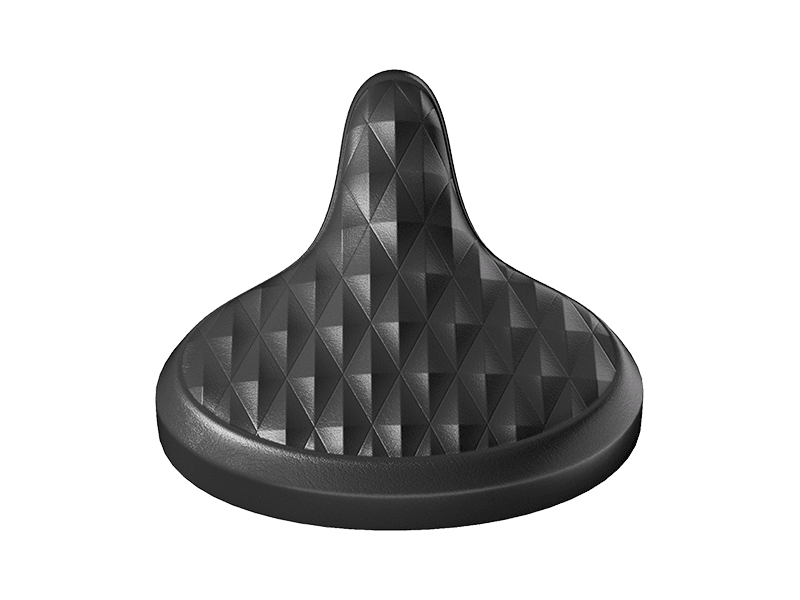
Electric bikes are designed with long rides in mind. Comfortable saddles, ergonomic riding positions, and suspension systems reduce strain on the back and knees. Many e-bikes allow seat and handlebar adjustments for a personalized fit.
Scooters, in contrast, require standing on a small deck, which can tire the legs over time. Minimal suspension and small wheels transfer more vibrations to the rider, making longer rides less comfortable.
Safety
E-bikes are generally more stable due to larger wheels, a low center of gravity, and the ability to sit while riding. Most models come with advanced braking systems, built-in lights, and reflectors. Scooters, with their smaller wheels and higher standing position, can feel less stable and are more sensitive to uneven surfaces, increasing the risk of accidents.
Portability
Scooters excel in portability—they are lightweight, foldable, and easy to carry indoors or store in a vehicle. E-bikes are heavier and bulkier, often requiring racks for transport, though some folding models offer a compromise between portability and performance.
Enjoyment
E-bikes deliver a riding experience closer to traditional cycling. Pedal assist and gear systems allow riders to control intensity and enjoy longer scenic trips. Scooters provide a quick, adrenaline-fueled ride, ideal for short urban commutes or weaving through crowded areas. Personal preference largely determines which is more enjoyable.
Terrain Adaptability
E-bikes, equipped with larger wheels, knobby tires, and suspension systems, can handle a variety of surfaces including gravel paths, trails, and rough roads. Scooters perform best on smooth, flat surfaces like sidewalks and paved streets, and are less suitable for off-road use.
Price and Affordability
Scooters are generally more budget-friendly, with entry-level models starting around $300 and higher-end versions up to $1,500. E-bikes tend to cost more, typically starting around $1,000 and reaching $5,000 or more for premium models with advanced motors, larger batteries, and high-quality components. While the upfront cost is higher, e-bikes offer durability, versatility, and the potential to save on commuting expenses over time.
Which Should You Choose?
Your choice depends on your needs:
- E-bikes are ideal for longer rides, varied terrain, and those seeking both exercise and comfort.
- Scooters are perfect for quick trips, easy storage, and urban commuting on flat roads.
Both options are eco-friendly and cost-efficient alternatives to cars. Consider your commute, budget, and riding preferences to select the electric ride that suits you best.
For those leaning toward an e-bike, browse high-quality models at our store, where performance and reliability are top priorities.
Visit Freeskycycle Official Store.
Share


