






A Practical Guide to U.S. Hunting Seasons in the United States (Rules, Timing & Access)
DEC 19, 2025
Hunting season is a cornerstone of outdoor life in the United States, marking the time each year when millions of hunters head into forests, mountains, plains, and public lands. Unlike nationally fixed events, hunting seasons are determined at the state level. Each state — and often each wildlife management unit — sets its own dates based on wildlife populations, migration data, conservation priorities, and the type of hunting equipment allowed.
If you plan to hunt this year, understanding your state’s official season dates and regulations is the foundation of a legal and successful hunt. This guide explains how U.S. hunting seasons work, what hunters must pay close attention to, where to find official state resources, and how modern tools like electric bikes are helping hunters access large areas more efficiently and quietly.
What Does “Hunting Season” Mean in the U.S.?
In the United States, hunting seasons are established by state wildlife agencies to control when specific species may be harvested. The purpose is not only to allow recreational hunting, but also to protect ecosystems and ensure long‑term wildlife sustainability.
Season structures are designed to:
- Prevent hunting during breeding and fawning periods
- Maintain healthy population levels for species such as deer, elk, and turkey
- Reduce overpopulation that can damage habitat or agriculture
- Align harvest opportunities with scientific monitoring and conservation goals
There is no single nationwide hunting season. Dates, legal species, and methods of take vary by state, region, and weapon type. Archery, muzzleloader, and modern firearms seasons are typically scheduled separately, often spanning several months in total.
Essential Regulations Every Hunter Must Understand
Because rules differ widely across states and species, preparation is critical before entering the field. Hunters should always review official regulations for the specific location and game they intend to pursue.
Key points to confirm include:
Licenses and Tags
Most states require a general hunting license. Big‑game animals such as deer, elk, or moose also require species‑specific tags, while migratory birds require a federal Duck Stamp.
Weapon‑Specific Seasons
Archery, muzzleloader, and firearm seasons do not overlap in many states. Always verify that your weapon type is legal for the specific dates you plan to hunt.
Hunting Units and Zones
States often divide land into counties, zones, or wildlife management units. Rules can change from one unit to the next, even within the same state.
Bag Limits
Harvest limits vary by species, sex, and region. Some areas allow a single deer, while others permit multiple tags depending on population goals.
Species Identification
Hunters are responsible for identifying legal game correctly — for example, buck versus doe or tom versus hen — and avoiding protected or out‑of‑season species.
Safety and Access Rules
Hunter orange requirements, safe shooting distances, road‑hunting restrictions, and public‑land access rules must be followed at all times. When using eBikes or other vehicles, verify that they are permitted in your hunting area.

Get the E-Bike Shown Here: Freeskycycle eBike | 2500W Peak BaFang Motor Electric Mountain Bike with Rear Rack | Freesky Swift Horse Pro X-6E
Official U.S. State Hunting Season Resources (2025–2026)
Below is a consolidated reference to official state wildlife agency websites where current season dates, regulations, and updates are published.
Alabama:
Alaska:
Arizona:
Arkansas:
California:
Colorado:
Colorado Parks & Wildlife Seasons
Connecticut:
Delaware:
Florida:
Georgia:
Hawaii:
Idaho:
Illinois:
Indiana:
Iowa:
Kansas:
Kansas Wildlife Hunting Seasons
Kentucky:
Kentucky Fish & Wildlife Seasons
Louisiana:
Maine:
Maryland:
Massachusetts:
Michigan:
Minnesota:
Mississippi:
Missouri:
Montana:
Nebraska:
Nevada:
New Hampshire:
New Jersey:
New Mexico:
New York:
North Carolina:
North Dakota:
Ohio:
Oklahoma:
Oregon:
Pennsylvania:
Rhode Island:
South Carolina:
South Dakota:
Tennessee:
Texas:
Utah:
Vermont:
Virginia:
Washington:
West Virginia:
Wisconsin:
Wyoming:
Mobility in Hunting Season: Why eBikes Are Gaining Popularity
Once regulations and season dates are clear, the next challenge is access. Modern hunting often means covering large tracts of public land, scouting multiple locations, and moving equipment efficiently without disturbing wildlife.
Electric bikes have emerged as a practical solution for hunters because they provide:
- Quiet movement compared with trucks or ATVs
- Extended range for scouting and multi‑day planning
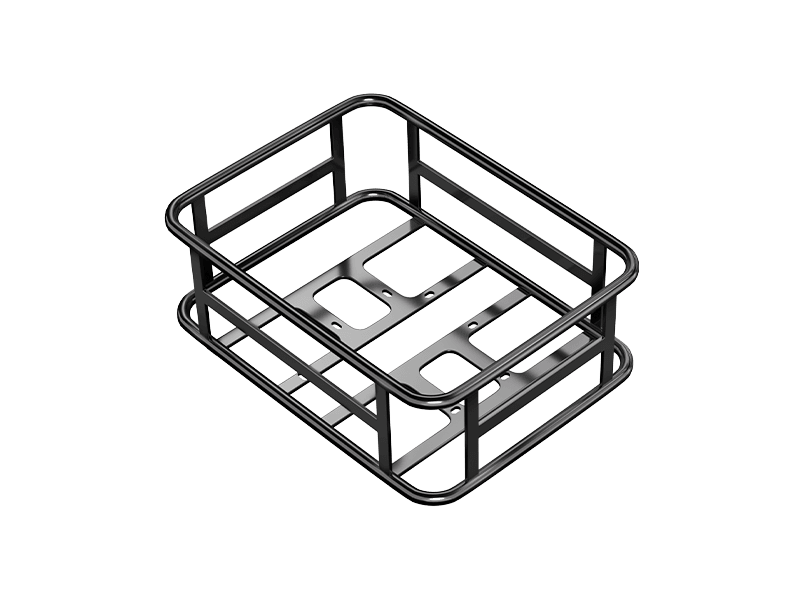
- Cargo capacity for gear and harvested game
- Access to roads and trails where motor vehicles may be restricted
When chosen correctly, an eBike becomes a functional tool that complements legal hunting practices rather than replacing traditional skills.

Get the E-Bike Shown Here: Freeskycycle eBike | Dual Motor, Peak Power 4000W Electric Mountain Bike | Freesky Electric Bike Warrior Pro M-530
FREESKY Ranger – High-Power Dual Motor eBike for Hunting Access
The FREESKY Ranger is built for hunters who need strong acceleration, steep-climb capability, and long-range access across demanding terrain. With a dual-motor system and unlocked controller, it delivers the power required to reach remote hunting areas efficiently while carrying full gear loads.
Why it works for hunting season:
- Peak 3500W dual motor system (200Nm torque): Easily climbs steep grades up to 40°, ideal for hills, forest roads, and off-road access routes
- 48V 25Ah removable battery: Delivers approximately 60–95 miles per charge, supporting full-day scouting and long entry routes
- 26×4.0" fat tires: Enhanced traction on mud, snow, sand, and uneven terrain
- 4-piston hydraulic disc brakes: Reliable stopping power for high-speed travel, long descents, and wet or icy conditions
- HD color display with NFC system: Quick startup and clear visibility of speed, range, and riding mode
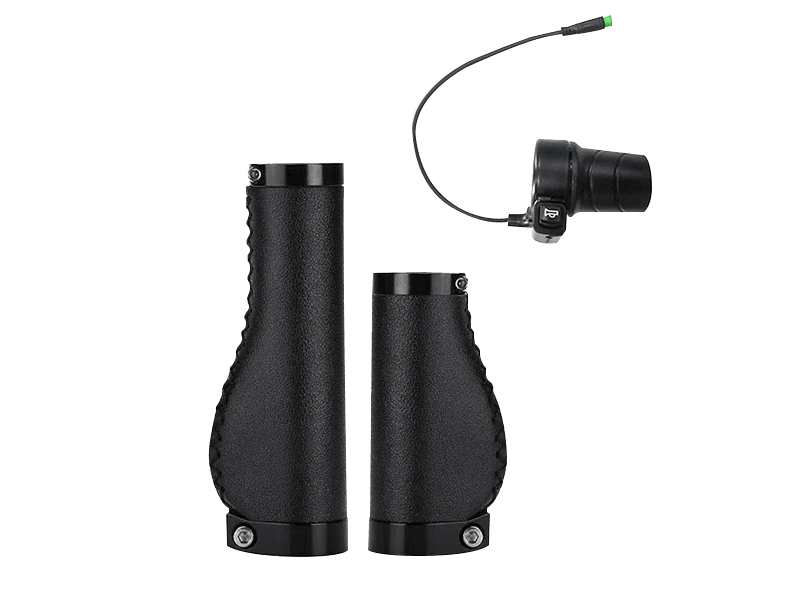
- Multiple riding modes: Throttle, pedal assist, cruise control, and walk assist adapt to different hunting and access scenarios
For hunters who value speed, power, and flexibility when accessing large public lands, the Ranger is a highly capable hunting-season mobility tool.
Shop FREESKY Ranger: Freeskycycle eBike | Dual Motor, Peak Power 3500W & Step-thru Electric Bike | Freesky Electric Bike Ranger M-540
FREESKY Warrior Pro – Full-Suspension Dual Motor eBike for Extreme Terrain Hunting
The FREESKY Warrior Pro is designed for hunters operating in the most demanding environments—mountainous terrain, deep public land, and long backcountry routes. Its full-suspension platform and ultra-high-power dual motors provide maximum control, comfort, and load capacity.
Hunting-ready advantages:
- Peak 4000W dual motor system (up to 40 mph unlocked): Exceptional torque and climbing power for steep access roads and heavy cargo
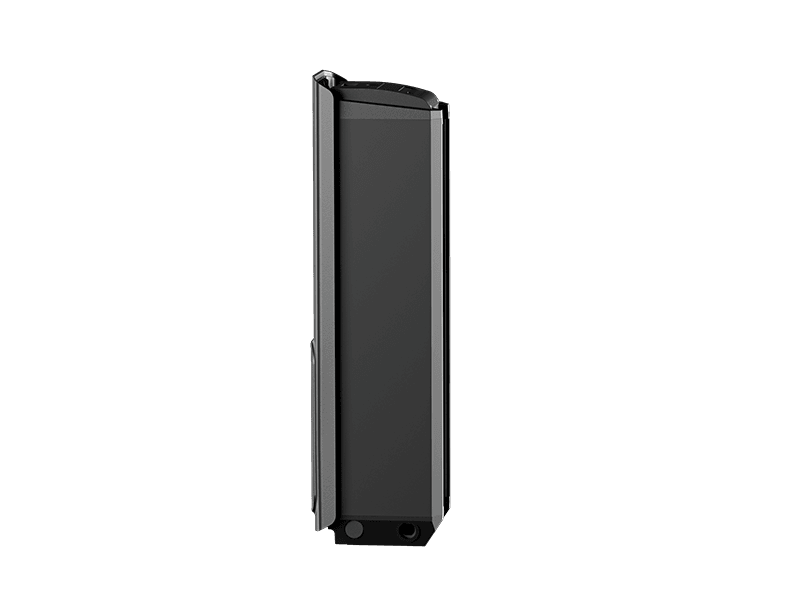
- 48V 30Ah Samsung battery (UL 2271 certified): Approximately 50–120 miles of range depending on terrain and assist level
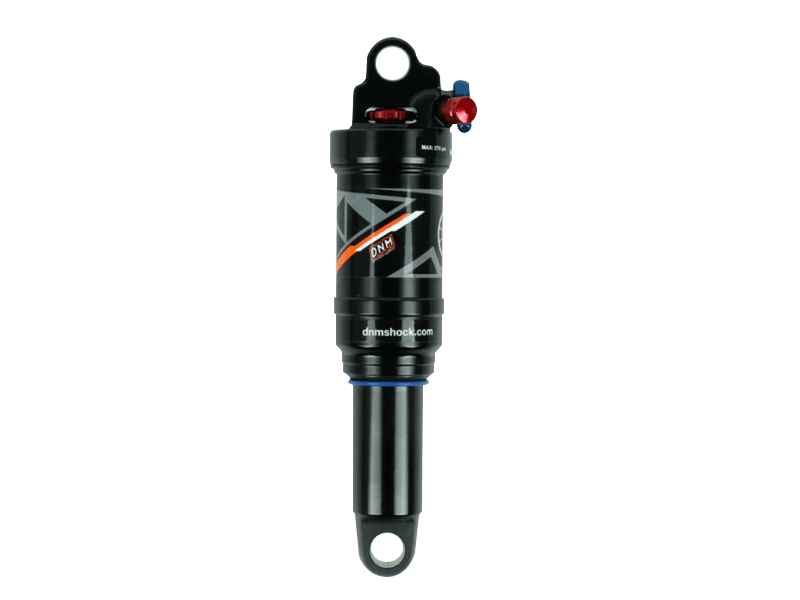
- Full suspension setup: Adjustable front fork and rear shock reduce fatigue during long rides over rough ground
- 26×4.0" fat tires: Stable handling on snow, sand, forest roads, and rocky trails
- Advanced lighting system: Integrated headlight, brake light, and turn signals improve safety during low-light travel
- UL 2849 system certification: TÜV-verified safety and reliability for the entire eBike system
For hunters who regularly carry heavy equipment and travel far beyond vehicle access points, the Warrior Pro offers maximum confidence and capability throughout the hunting season.
Shop FREESKY Warrior Pro: Freeskycycle eBike | Dual Motor, Peak Power 4000W Electric Mountain Bike | Freesky Electric Bike Warrior Pro M-530
Conclusion
Hunting seasons in the United States are carefully structured to balance opportunity with conservation. Because every state operates under its own rules, verifying official season dates and regulations before each hunt is essential.
As access challenges increase and hunting areas expand, mobility tools like eBikes are becoming a practical addition to modern hunting strategies. Quiet operation, extended range, and cargo capability allow hunters to scout more effectively and move responsibly through public land.
By combining regulatory awareness, ethical practices, and appropriate equipment, hunters can prepare confidently for the upcoming season — wherever the next hunt leads.
Q1: Is hunting season the same in every U.S. state?
No. Each state sets its own season dates, species rules, and weapon-specific timelines based on local wildlife management data.
Q2: Are electric bikes legal to use during hunting season?
Regulations vary by state and by land management agency. Hunters must verify whether eBikes are permitted on public lands, trails, or access roads.
Q3: Why do hunting seasons differ by weapon type?
Separating archery, muzzleloader, and firearm seasons helps manage harvest pressure and improves safety while extending overall hunting opportunity.
Q4: What features matter most in an eBike for hunting?
Key factors include torque, range, load capacity, quiet operation, and tire performance on soft or uneven terrain.
Share


