

FREESKY Blogs
Stay updated with the latest news, tips, and insights on e-bikes, technology, and sustainable riding through the FREESKY blog.


You May Also Like
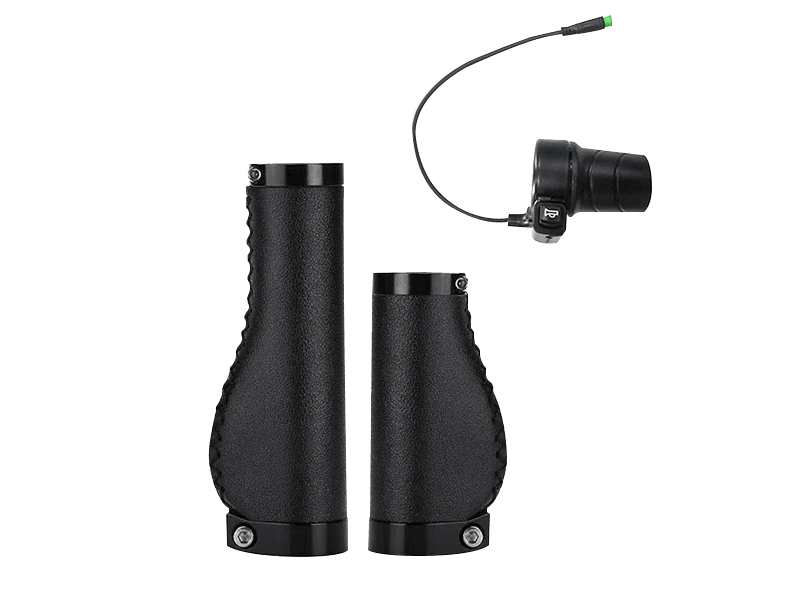
Twist Throttle with Grips (Right-Hand Only)
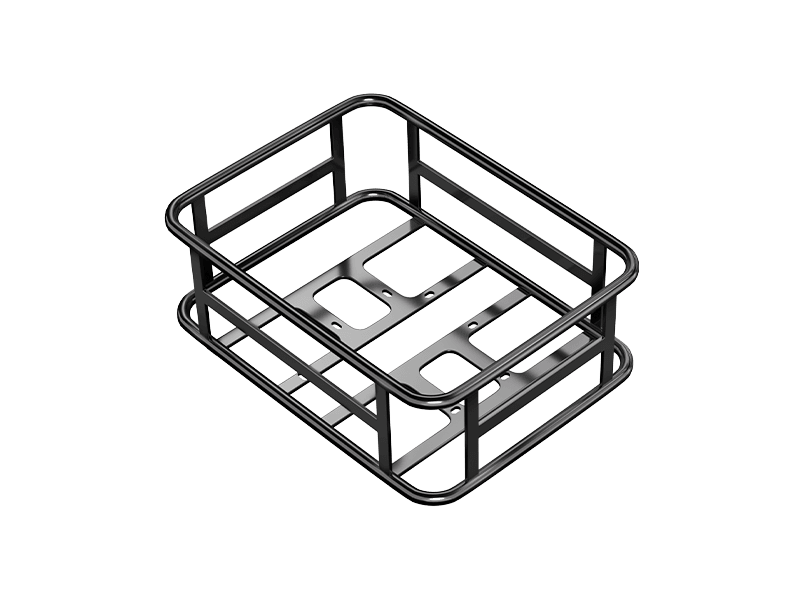
Rear Basket

Foldable Platform

Side Surfboard Rack

Bike Fishing Rod Holders (A Pair)

(Pre-order) Cargo Trailer

CRAVOT CyberRack E2 Hitch Bike Rack
There's no item in your cart.
You May Also Like
Twist Throttle with Grips (Right-Hand Only)
$69.00
Rear Basket
$69.00 $99.00
Foldable Platform
$79.00
Side Surfboard Rack
$99.00
Bike Fishing Rod Holders (A Pair)
$29.00
(Pre-order) Cargo Trailer
$299.00
CRAVOT CyberRack E2 Hitch Bike Rack
$400.00
You're Saving $0.00
Shipping, taxes, and discount codes calculated at checkout.All Topics


Everything You Need to Know About the FREESKY Eurostar Turbo Super Early Bird Offer
Jul 14, 2026
The 2026 FREESKY Eurostar Turbo is almost here, bringing upgraded dual-motor performance, longer range, and TÜV-certified safety to riders looking for a capable all-terrain electric bike. To celebrate the launch, FREESKY is introducing a limited-time Super Early Bird Offer, giving early customers the opportunity to unlock extra savings before regular inventory becomes available. If you're wondering how the promotion works, whether the coupon is refundable, or why reserving before launch offers better value, this guide answers the most common questions. Why Order Before the Official Launch? Buying during the Super Early Bird campaign isn't simply about placing an order early—it's about securing the best available launch price before the Eurostar Turbo returns to its regular retail price. Once inventory arrives, the promotional pricing ends and the bike returns to its standard selling price. For riders who already know the Eurostar Turbo fits their needs, reserving a coupon today means paying less while guaranteeing access to one of FREESKY's newest dual-motor models. Meet the New FREESKY Eurostar Turbo Built for riders who want one eBike that can comfortably handle both weekday commuting and weekend adventures, the Eurostar Turbo combines power, range, and confidence across almost any terrain. Key highlights include: - Peak 3500W dual motor- Up to 200 Nm of torque- Top speed up to 34 MPH- Up to 105 miles of riding range- 48V 25Ah removable battery- TÜV-certified UL2271 battery and UL2849 eBike system- Hydraulic front fork and rear suspension- Dual 4-piston hydraulic disc brakes- 26" × 4" fat tires for all-terrain riding Whether you're climbing steep hills, riding gravel roads, commuting across town, or exploring forest trails, the Eurostar Turbo is engineered to deliver powerful performance without compromising comfort or safety. How Does the Super Early Bird Coupon Work? The promotion is designed to be simple. Instead of applying an instant product discount, you'll first purchase a limited Super Early Bird Coupon. When you're ready to complete your Eurostar Turbo purchase during the promotion period, the coupon becomes a higher-value discount voucher. United States & Canada Step 1Purchase a US$50 Super Early Bird Coupon. Step 2Use it as a US$130 discount when purchasing your Eurostar Turbo during the Early Bird campaign. Your BenefitBecause you've paid US$50 to receive US$130 off, you save an additional US$80 compared with the standard Early Bird price, giving you the lowest launch price available. 👉 Claim your Super Early Bird Coupon before they're gone What Will You Pay? United States Item Price Regular Retail Price US$1,399 Launch Price US$1,299 Coupon Purchase US$50 Coupon Value US$130 Remaining Balance US$1,169 Total Paid US$1,219 Compared with purchasing after launch, early supporters save US$180. Canada The same Super Early Bird promotion is available to Canadian customers. Current pricing is approximately: Item Price Regular Retail Price C$2,099 Launch Price C$1,999 Coupon Purchase US$50 (approx. C$69) Coupon Value US$130 (approx. C$180) Estimated Remaining Balance Approx. C$1,819 Estimated Total Paid Approx. C$1,888 Currency conversions are approximate and may vary depending on exchange rates and payment providers. When Will the Bike Ship? Current estimated availability: Market Estimated Shipping United States After August 1 Canada After September 1 Shipping dates may vary slightly depending on warehouse arrival and local logistics. Can I Get a Refund on My Coupon? Yes. If you decide not to complete your purchase before the promotional period ends, your Super Early Bird coupon can be refunded according to the campaign policy. If you keep the coupon, it remains valid throughout the Super Early Bird promotion, giving you flexibility while reserving launch pricing. Why Reserve Instead of Waiting? Many riders wonder whether they should simply wait until the bike is available for immediate delivery. For most buyers, reserving early offers several advantages: - Lock in the lowest launch price- Receive more value than the coupon purchase price- Secure limited coupon availability- Get priority access before wider inventory arrives- Plan your purchase before regular pricing returns Once inventory is available, the Eurostar Turbo returns to its regular retail price, ending the Super Early Bird promotion. Is the Eurostar Turbo Right for You? The Eurostar Turbo is an excellent choice if you're looking for: - Powerful dual-motor performance- Long-distance commuting capability- Weekend trail adventures- Confident riding on snow, sand, or gravel- TÜV-certified battery and electrical system safety- Smooth full suspension and dependable braking If those features match your riding style, reserving during the Super Early Bird campaign offers one of the best opportunities to own FREESKY's newest flagship model at its lowest launch price. Frequently Asked Questions Is the Super Early Bird coupon a gift card? No. The Super Early Bird coupon is not a general gift card. It can only be redeemed toward the purchase of the FREESKY Eurostar Turbo during the official promotional period. Can I use the coupon after the promotion ends? No. The expanded coupon is only valid during the Super Early Bird campaign. Can I combine it with other discounts? Unless otherwise stated, the Super Early Bird coupon cannot be combined with additional promotional offers. Is the coupon refundable? Yes. Refund eligibility follows the official campaign policy. When will regular pricing return? Once inventory becomes available: - United States: US$1,399- Canada: C$2,099 Reserve Yours Before Launch The Super Early Bird campaign is designed for riders who already know they'll be upgrading and want the best possible value before the official launch. With a peak 3500W dual-motor system, up to 105 miles of range, TÜV-certified safety, full suspension, and powerful 4-piston hydraulic disc brakes, the FREESKY Eurostar Turbo is built for riders who demand confidence on every journey. If you're planning to own one this season, reserving your Super Early Bird coupon today is the easiest way to secure launch pricing before regular retail prices return. 👉 Reserve your FREESKY Eurostar Turbo Super Early Bird Coupon today
Read More

Is a Dual Motor Electric Bike Worth It? Everything You Need to Know Before Buying
Jul 13, 2026
As electric bikes become more powerful, more riders are choosing dual motor electric bikes for better performance on hills, loose terrain, and longer adventures. But is a dual motor eBike really worth the extra investment? Or is a single motor enough for everyday riding? The answer depends on how—and where—you ride. In this guide, we'll explain the biggest differences between single and dual motor eBikes, their advantages and trade-offs, and how to decide which option best suits your riding style. What Is a Dual Motor Electric Bike? Unlike a traditional eBike that uses a single hub motor, a dual motor electric bike is equipped with both front and rear motors. This allows power to be delivered to two wheels instead of one, creating improved traction, stronger acceleration, and more balanced performance across challenging terrain. Many riders compare the experience to the difference between two-wheel drive and all-wheel drive in a vehicle. While both can get you from one place to another, additional traction can make a noticeable difference when conditions become more demanding. Single Motor vs. Dual Motor: What's the Difference? Feature Single Motor Dual Motor Power Delivery One wheel Front & rear wheels Hill Climbing Good Excellent Loose Terrain Moderate Superior traction Acceleration Smooth Faster and more responsive Riding Confidence Everyday riding Challenging terrain & heavy loads Best For Commuting, bike paths Off-road, mountains, sand, snow For riders who primarily commute on flat roads, a single motor is often more than sufficient. However, if your rides regularly include steep climbs, gravel roads, beaches, snow, or muddy trails, dual motors provide additional control and confidence. 1. Better Hill Climbing Performance One of the biggest advantages of dual motors is climbing ability. Instead of relying on one wheel to deliver all the power, both motors work together to maintain traction and momentum. This becomes especially noticeable when: - Riding on steep hills- Carrying cargo- Riding with heavier loads- Starting from a stop on an incline Higher torque also means less strain on the motor while maintaining smoother power delivery. 2. Improved Traction on Challenging Terrain Loose surfaces often cause a single driven wheel to lose grip. Dual motor systems distribute power across both wheels, helping riders maintain better control on: - Sand- Snow- Gravel- Mud- Forest trails- Rocky terrain Rather than spinning a single wheel, the bike remains more stable and predictable when conditions become difficult. If you frequently ride beyond paved roads, exploring our collection of dual motor electric bikes can also help you find models designed for greater stability on mixed terrain. 3. Faster, More Confident Acceleration Acceleration isn't only about speed—it's also about control. Whether merging into traffic, crossing an intersection, or overtaking slower riders, dual motors deliver smoother and more immediate power. This allows riders to accelerate confidently without feeling like the bike is struggling under load. 4. More Capable for Long-Distance Adventures Many dual motor eBikes are built for riders who expect more than short city commutes. They're commonly paired with: - Larger battery capacity- Full suspension- Fat tires- Hydraulic disc brakes- Stronger frames Together, these features make dual motor models better suited for long-distance riding and varied terrain. If you're planning weekend adventures as well as weekday commuting, a dual motor platform offers greater versatility. Are There Any Downsides? Dual motor electric bikes aren't the perfect choice for everyone. Compared with single motor models, they are typically: - Heavier- More powerful than some riders need- More expensive- Designed for riders who frequently tackle varied terrain If your rides are mostly short, flat, and urban, a single motor eBike may provide everything you need while remaining lighter and more affordable. The right choice depends on your riding habits rather than simply choosing the model with the highest specifications. Who Should Choose a Dual Motor eBike? A dual motor electric bike is a great fit if you: - Regularly ride steep hills- Enjoy off-road adventures- Ride on sand, gravel, or snow- Carry cargo or heavier loads- Want stronger acceleration- Value maximum traction and stability For these riders, the additional performance can make every ride feel smoother, safer, and more enjoyable. A Real-World Example: FREESKY Eurostar Turbo The FREESKY Eurostar Turbo is designed for riders who want to experience the benefits of a modern dual motor electric bike. It combines: - Peak 3500W dual motor system- Up to 200 Nm of torque- Up to 105 miles of riding range- 48V 25Ah removable battery- TÜV-certified UL2271 battery and UL2849 eBike system- Hydraulic front fork and adjustable rear suspension- Dual 4-piston hydraulic disc brakes- 26" × 4" fat tires for all-terrain riding Together, these features provide strong climbing capability, confident handling, and dependable braking across a wide range of riding conditions. Is a Dual Motor Electric Bike Worth It? For riders who mainly cycle on flat city streets, a single motor eBike can be an excellent choice. However, if your rides include challenging terrain, longer distances, or frequent elevation changes, a dual motor electric bike offers meaningful advantages that go beyond higher power numbers. Improved traction, stronger climbing performance, smoother acceleration, and greater confidence on difficult surfaces all contribute to a more capable riding experience. Rather than asking whether a dual motor eBike is worth it, the better question is whether those advantages match the way you ride. Final Thoughts Choosing the right electric bike starts with understanding your riding needs. If you value versatility, all-terrain capability, and confident performance across different conditions, a dual motor eBike can be a worthwhile long-term investment. For riders looking to upgrade, the FREESKY Eurostar Turbo combines powerful dual motors, long-range capability, TÜV-certified safety, full suspension, and advanced braking into one all-terrain platform. With the current Super Early Bird Offer, early customers also have the opportunity to secure the lowest available launch price before regular retail pricing returns. 👉 Reserve your FREESKY Eurostar Turbo Super Early Bird Coupon
Read More

Eurostar Turbo vs. Eurostar Ultra: What's New in the 2026 Upgrade?
Jul 10, 2026
The FREESKY Eurostar Ultra has earned a reputation as a capable all-terrain fat tire eBike, combining strong power, long range, and full suspension for riders who enjoy everything from daily commuting to off-road adventures. Now, FREESKY has introduced the 2026 Eurostar Turbo, bringing meaningful upgrades in power, control, safety, and rider confidence. If you're wondering whether the new model is worth choosing over the Eurostar Ultra, this comparison highlights the biggest differences to help you decide. Feature Eurostar Ultra Eurostar Turbo Peak Motor Power 3000W Peak Motor 3500W Peak Dual Motor Maximum Torque 130 Nm 200 Nm Top Speed 37 MPH 34 MPH Battery 48V 25Ah Lithium Battery 48V 25Ah Removable Battery Maximum Range 50–95 Miles 60–105 Miles Suspension Full Suspension Hydraulic Fork + Adjustable Rear Suspension Brakes 4-Piston Hydraulic Brakes Dual 4-Piston Hydraulic Disc Brakes Lighting Standard Lighting Brake Light + Rear Turn Signals 1. More Power for Challenging Terrain One of the biggest upgrades is the new 3500W peak dual-motor system. While the Eurostar Ultra already delivers strong performance with its 3000W peak motor, the Eurostar Turbo adds a second motor to provide better traction and more balanced power distribution. Whether you're riding through deep sand, climbing steep hills, or tackling muddy trails, dual motors make acceleration smoother and help maintain momentum on difficult terrain. For riders who regularly explore beyond paved roads, this is one of the most noticeable improvements. 2. Higher Torque Means Easier Hill Climbing Torque plays a major role in how an eBike feels when accelerating or climbing. - Eurostar Ultra: 130 Nm- Eurostar Turbo: 200 Nm That increase allows the Turbo to climb steeper inclines with less effort while carrying riders, cargo, or additional gear. Higher torque also improves low-speed control, making technical trails and uneven terrain feel more manageable. 3. Longer Range for Bigger Adventures Both bikes are designed for long-distance riding, but the Eurostar Turbo extends the maximum range to up to 105 miles under pedal assist. Combined with its removable 48V 25Ah battery, advanced Battery Management System (BMS), and TÜV-certified UL2271 battery safety, the Turbo offers greater confidence for riders planning longer commutes or weekend adventures. Longer range means spending more time riding and less time thinking about charging. 4. Improved Suspension for Better Comfort Both models feature full suspension, but the Eurostar Turbo introduces an upgraded suspension system with a hydraulic front fork and adjustable rear shock. This setup helps absorb impacts from: - Gravel roads- Forest trails- Rocky paths- Potholes- Uneven city streets The result is a smoother ride, better tyre contact with the ground, and improved control across changing terrain. 5. Better Braking for More Confidence Powerful motors deserve equally capable stopping performance. The Eurostar Ultra already features 4-piston hydraulic brakes, while the Eurostar Turbo further enhances braking confidence with dual 4-piston hydraulic disc brakes paired with large 180 mm rotors. This upgraded system provides: Stronger stopping powerBetter braking consistency on long descentsImproved performance in wet or muddy conditionsGreater confidence during emergency stops For riders travelling at higher speeds or carrying additional weight, dependable braking is just as important as motor power. If you're comparing different models, you can also explore our collection of dual motor electric bikes to find the right option for your riding style. 6. More Safety Features for Everyday Riding The Eurostar Turbo isn't only about performance—it also introduces several practical safety improvements. Compared with the Eurostar Ultra, the new model adds: - TÜV-certified UL2271 battery- TÜV-certified UL2849 eBike system- Integrated brake light- Rear turn signals- Advanced Battery Management System (BMS)- IP65 waterproof removable battery These upgrades provide greater peace of mind whether you're commuting through traffic or riding after sunset. Which Bike Is Right for You? The Eurostar Ultra remains an excellent choice for riders who want a capable fat tire eBike for everyday riding, recreational adventures, and light off-road use. The Eurostar Turbo, however, is designed for riders looking for: - More climbing power- Better traction on loose terrain- Longer riding range- Enhanced braking performance- Upgraded suspension- TÜV-certified electrical safety- Additional visibility with brake lights and turn signals If you're buying your first high-performance eBike—or upgrading from a previous model—the Eurostar Turbo delivers meaningful improvements that go beyond higher specifications on paper. Final Thoughts The 2026 Eurostar Turbo builds on everything riders appreciated about the Eurostar Ultra while introducing upgrades that improve real-world riding. With a 3500W dual-motor system, 200 Nm of torque, up to 105 miles of range, upgraded suspension, TÜV-certified safety, and dual 4-piston hydraulic disc brakes, it's designed for riders who want greater capability across almost any terrain. If you're planning to purchase one during launch, don't forget that the Super Early Bird Offer provides an opportunity to secure the lowest available price before regular retail pricing returns. 👉 Reserve your FREESKY Eurostar Turbo Super Early Bird Coupon.
Read More

Comprehensive Guide to E-Bike Brakes: Performance, Maintenance, and Safety
Jun 12, 2026
If your e-bike brakes feel weak, make unusual noises, rub against the rotor, or require more lever pull than usual, it may be time for a brake inspection. Brakes are one of the most important safety systems on any electric bike. Because e-bikes are heavier and often travel at higher speeds than traditional bicycles, they require reliable stopping power to maintain control and rider confidence. In this guide, we'll explain the different types of e-bike brakes, common brake problems, maintenance tips, and how to keep your braking system performing at its best. Why E-Bike Brakes Matter Brakes do much more than simply stop your bike. They help riders: - Control speed on descents- Navigate traffic safely- Respond to unexpected obstacles- Ride confidently in changing weather conditions- Manage heavier loads and cargo Electric bikes place greater demands on braking systems because of their additional weight, motor assistance, and higher average speeds. Ignoring early warning signs such as squeaking, grinding, or reduced stopping power can lead to more serious problems over time. Common Types of E-Bike Brakes Most electric bikes use one of three braking systems: Mechanical Disc Brakes Mechanical disc brakes use a steel cable to activate the brake caliper. When the rider pulls the brake lever, the cable pulls the brake pads against the rotor to slow the bike down. Benefits include: - Easier maintenance- Lower replacement costs- Simpler adjustments However, cables can stretch over time and may require periodic adjustment. Hydraulic Disc Brakes Hydraulic disc brakes use fluid pressure instead of cables. When the brake lever is squeezed, hydraulic fluid transfers force directly to the brake caliper, creating stronger and more consistent braking performance. Advantages include: - More stopping power- Smoother brake modulation- Less hand fatigue- Better performance on hills- Improved control in wet conditions Many riders looking for improved safety and control choose hydraulic brake electric bikes for commuting, cargo carrying, and off-road riding. Rim Brakes Rim brakes work by pressing brake pads directly against the wheel rim. While affordable and lightweight, they are becoming less common on modern e-bikes due to reduced performance in wet conditions and lower stopping power compared to disc brake systems. Mechanical vs. Hydraulic Disc Brakes For most e-bike riders, the biggest comparison is mechanical versus hydraulic disc brakes. Brake Type How It Works Best For Maintenance Considerations Mechanical Disc Brakes Cable-operated caliper Everyday riding and basic commuting Cable stretch, pad wear, alignment Hydraulic Disc Brakes Fluid pressure system Higher speeds, heavier bikes, hills, cargo Occasional bleeding and fluid service Hydraulic brakes generally provide stronger stopping performance with less effort, especially on heavier electric bikes. Why FREESKY Uses 4-Piston Hydraulic Brakes Many entry-level e-bikes use basic braking systems that may struggle under heavier loads or higher speeds. FREESKY takes a different approach. Models such as the Warrior Pro, Rocky Pro, Wild Cat Ultra, and Swift Horse Ultra feature 4-piston hydraulic disc brakes designed to provide stronger and more consistent braking performance. Benefits include: - More braking force with less hand effort- Better heat management during long descents- Improved control on wet roads- Consistent performance at higher speeds- Increased confidence when carrying cargo or riding off-road Engineered for superior safety and performance, these brakes deliver reliable stopping power, allowing riders to travel confidently in a wide range of conditions. Explore our collection of electric bikes with hydraulic disc brakes to compare different models and riding styles. Common E-Bike Brake Problems and What They Mean Brake issues are often easier to fix when caught early. Problem Possible Cause What to Check Weak Braking Power Worn brake pads, dirty rotor Inspect pads and rotor surface Squeaking Brakes Rotor contamination, pad glazing Clean rotor and inspect pads Brake Lever Feels Loose Cable stretch or pad wear Check brake adjustment Rotor Rubbing Caliper misalignment Check rotor clearance and alignment Grinding Noise Severely worn brake pads Stop riding and inspect immediately How to Check If Your Brakes Need Adjustment Check the Brake Lever Before every ride, squeeze both brake levers. The lever should feel firm and responsive. If the lever pulls too close to the handlebar, the system may require adjustment. Spin the Wheel Lift the wheel and spin it slowly. Listen for: - Continuous rubbing- Scraping sounds- Rotor contact These may indicate alignment issues. Inspect Brake Pads Brake pads wear naturally over time. Replace them if: - Pad material appears thin- Braking performance decreases- Grinding sounds occur- Pads become contaminated with oil or grease When Should You Replace E-Bike Brake Pads? Brake pads are wear items and should be inspected regularly. You may need replacement pads if: - Stopping distance increases- Brake response feels weaker- Grinding sounds occur- Pads appear worn- Squeaking persists after cleaning Riders who frequently commute, carry cargo, or ride hilly terrain may need more frequent brake inspections. What Affects E-Bike Brake Performance? Several factors influence braking performance. Brake Pad Condition Brake pads create the friction needed to stop the bike. As pads wear down, stopping power decreases. Dirty or contaminated pads can also reduce performance. Rotor Size and Condition Larger rotors generally provide: - Better leverage- Improved heat dissipation- More consistent braking under load Damaged or warped rotors should be replaced promptly. Rider Weight and Cargo Load Heavier riders and cargo place greater demands on braking systems. This is one reason premium electric bikes often combine larger batteries, more powerful motors, and stronger hydraulic brakes. For example, the Warrior Pro dual-motor electric bike combines Samsung-cell battery technology, AWD capability, and 4-piston hydraulic brakes to help maintain reliable control across a wide range of riding conditions. Terrain and Riding Style Brake wear increases faster when riding: - Steep hills- Mountain trails- Wet roads- Heavy traffic- Frequent stop-and-go conditions Smooth braking habits can help extend component life. How to Maintain E-Bike Brakes Inspect Before Every Ride Check: - Brake lever feel- Rotor condition- Brake noises- Wheel rotation A quick inspection can help identify problems before they become safety concerns. Keep Rotors Clean Use a clean microfiber cloth to wipe brake rotors regularly. Avoid touching rotor surfaces with oily hands. Never spray chain lubricant near brake components. Check Brake Pads Monthly Monthly inspections are recommended. Heavy riders, commuters, and off-road riders may need more frequent checks. Clean Your Bike Carefully Avoid spraying high-pressure water directly at: - Brake calipers- Bearings- Electrical connectors- Hubs Gentle cleaning methods help preserve brake performance. Follow a Maintenance Schedule Routine maintenance is the best way to ensure reliable braking performance and extend component lifespan. When Should You Seek Professional Help? Some brake issues require professional service. Consider contacting a qualified bike technician if: - Hydraulic brake levers feel spongy- Rotors appear bent- Brakes remain noisy after cleaning- New brake pads do not improve performance- You are unsure which replacement parts fit your bike Safety should always come first. Conclusion Your brakes are one of the most important safety components on your e-bike. Whether you use mechanical or hydraulic disc brakes, regular inspections and maintenance can improve performance, increase safety, and help prevent costly repairs. When comparing electric bikes, don't focus only on motor power or battery range. A high-quality braking system plays an equally important role in overall ride quality and rider confidence. For riders seeking stronger stopping power and enhanced control, explore FREESKY's lineup of electric bikes with hydraulic disc brakes, including models equipped with advanced 4-piston hydraulic braking systems designed for commuting, adventure riding, and long-distance travel.
Read More

Summer High-Temperature Charging Guide: How to Charge Your eBike Safely in Hot Weather
Jun 12, 2026
Summer is the peak season for eBike riding—long commutes, weekend trips, and outdoor exploration all become more frequent.But high temperatures also introduce one often overlooked risk: battery charging safety under heat stress. Leaving your battery in direct sunlight, charging immediately after a long ride, or storing it in a hot environment can all reduce battery lifespan and, in extreme cases, create safety risks. This guide explains how heat affects lithium-ion batteries and how to charge your eBike safely during summer. Why High Temperatures Are Dangerous for eBike Batteries Lithium-ion batteries perform best within a moderate temperature range. When temperatures rise significantly above normal levels, several issues can occur. 1. Faster Battery Degradation Heat accelerates internal chemical reactions, which gradually reduces battery capacity over time.Repeated exposure to high temperatures can noticeably shorten battery lifespan. 2. Higher Internal Resistance When a battery is hot, internal resistance increases. This generates additional heat during charging, creating a cycle of rising temperature. 3. Safety Risk Under Extreme Conditions In rare cases of severe overheating, internal components may become unstable, increasing the risk of thermal failure. While modern systems include protection layers, heat abuse should always be avoided. 4. Reduced Charging Efficiency Hot batteries may charge more slowly or stop early due to BMS protection, resulting in reduced usable range. Common Summer Charging Mistakes Mistake Why It’s Risky Charging immediately after riding Battery already at high temperature Leaving battery in a hot car Interior temperatures can exceed safe limits Charging in direct sunlight Prevents heat dissipation Using low-quality chargers May cause unstable voltage and heat Covering the battery during charging Traps heat Charging on soft surfaces Limits airflow and cooling Safe Summer Charging: Step-by-Step 1. Let the Battery Cool Before Charging After a ride, allow at least 30–60 minutes cooling time before charging.If the battery feels warm, wait longer. 2. Charge in a Cool, Shaded Environment Indoors is always preferred. Avoid sunlight exposure during charging. 3. Use the Original Charger Only Certified chargers are designed to work with the battery management system (BMS) to ensure safe charging conditions. 4. Monitor Charging Conditions Avoid leaving the battery unattended for long periods, especially in hot environments. 5. Avoid Always Charging to 100% If full range is not needed, charging to 80–90% can reduce thermal and chemical stress. 6. Remove Battery When Possible For removable battery systems, indoor charging improves cooling efficiency and safety. What to Do If a Battery Gets Too Hot Stop charging immediately and move the battery to a cool, ventilated area.Do not use ice water or sudden cooling methods. Allow the battery to stabilize naturally before reuse. Special Note: eBike Selection and Heat Performance Battery quality plays a major role in heat resistance and charging stability. Premium cells and certified systems typically manage heat more effectively. Premium Battery Systems with Samsung Cells Some eBikes are equipped with high-quality battery cells designed for better stability and durability under demanding conditions. 🔋 FREESKY Swift Horse Ultra A high-performance off-road eBike designed for power and endurance. - 48V 35Ah Samsung / LG cells battery- Peak 3500W BAFANG motor- Up to 140 miles range (PAS mode)- Full suspension + all-terrain design- UL certified battery system This type of system is built for extended riding sessions, where battery stability and heat management are especially important. 👉 Learn more about the long range electric bike: FREESKY Swift Horse Ultra ⚡ FREESKY Warrior Pro Designed for riders who need high torque and dual motor performance. - 48V 30Ah Samsung / LG cells battery- Peak 4000W dual motor system- Up to 120 miles range- UL certified battery pack Dual motor systems typically require higher energy output, making battery quality and thermal stability even more important in summer conditions. 👉 Explore the dual motor electric bike: FREESKY Warrior Pro 🚵 FREESKY Rocky Pro A balanced commuter and recreational eBike designed for everyday riding. - 48V 25Ah Samsung / LG cells battery- Torque sensor for smoother power delivery- Up to 105 miles range- Full suspension step-thru frame For urban riders, stable battery performance during stop-and-go riding is key, especially in warm weather. 👉 View the commuter electric bike: FREESKY Rocky Pro Why Battery Quality Matters in Summer Riding Higher-quality battery systems typically provide: - Better thermal control during charging- More stable power output in hot conditions- Longer overall cycle life- Safer operation under stress This becomes especially important during summer when temperatures fluctuate throughout the day. Summer Storage Tips (Beyond Charging) If the eBike will not be used for several days: - Store battery at 40–70% charge- Keep in a cool indoor environment- Avoid garages exposed to direct sun- Check charge level every few weeks Myth: “Cooling Batteries Quickly Improves Safety” Never place a hot battery in a refrigerator or freezer.Rapid cooling can cause condensation inside the battery, increasing risk rather than reducing it. Summary: Safe Summer Charging Checklist Do Don’t Let battery cool before charging Charge immediately after riding Charge indoors Charge in direct sunlight Use original charger Use uncertified chargers Monitor temperature Leave unattended in heat Charge to 80–90% when possible Always force 100% charging Store in cool environment Leave in hot vehicle Final Thought Heat affects all lithium-ion batteries, regardless of brand or model.The difference lies in how well the system manages it. Choosing a well-built eBike with certified battery technology helps reduce risk—but good charging habits remain essential. Summer riding should be about freedom and exploration, not battery stress.
Read More

Geared Hub Motor vs Direct Drive Motor: Which eBike Motor Is Better for Hills and Real-World Riding?
Jun 12, 2026
When shopping for an eBike, you'll often come across two common motor types: geared hub motors and direct drive motors. While both can power your ride, they deliver very different performance when it comes to hill climbing, acceleration, efficiency, and everyday usability. If your rides include steep hills, rough terrain, or long-distance adventures, understanding the difference can help you choose the right eBike. What Is a Geared Hub Motor? A geared hub motor uses an internal planetary gear reduction system to multiply torque before delivering power to the wheel. This design allows the motor to generate stronger low-speed pulling power while remaining relatively compact and lightweight. Because of their excellent torque output and efficiency, geared hub motors have become the preferred choice for many modern fat tire and all-terrain eBikes. What Is a Direct Drive Motor? A direct drive motor connects the motor directly to the wheel without any internal gears. With fewer moving parts, direct drive systems are known for quiet operation and durability. However, the larger motor design often results in additional weight and reduced torque at lower speeds, making steep climbs more challenging. Geared Hub Motor vs Direct Drive Motor Feature Geared Hub Motor Direct Drive Motor Hill Climbing Excellent Moderate Low-Speed Torque High Lower Acceleration Quick & Responsive Smooth but Slower Weight Lighter Heavier Efficiency Better in Real-World Riding Better at Constant High Speed Noise Slight Gear Sound Nearly Silent Maintenance Low Very Low For most riders, especially those tackling hills, trails, gravel roads, or carrying extra gear, the additional torque provided by a geared hub motor offers a noticeable advantage. Why Geared Hub Motors Perform Better on Hills Hill climbing requires torque, not just power. A geared hub motor multiplies motor output through its planetary gear system, allowing the bike to maintain stronger pulling force at lower speeds. This makes starts on steep inclines easier and reduces strain on both the battery and rider. For riders living in hilly areas or exploring off-road terrain, this added torque translates into greater confidence and control. Built for Real-World Adventures: FREESKY Warrior Pro For riders who demand maximum climbing power, the FREESKY Warrior Pro takes the advantages of geared hub motors even further. Featuring dual geared hub motors producing up to 120Nm of torque each, the Warrior Pro delivers powerful all-wheel-drive performance capable of handling steep climbs, loose surfaces, and rugged terrain. Combined with a 48V 30Ah Samsung battery, full suspension system, and 26" × 4.0" fat tires, it is designed for serious adventure riding while maintaining impressive long-range capability. Whether you're tackling mountain trails, snowy paths, or challenging off-road routes, the Warrior Pro is built to perform where torque matters most. Smart Power Meets Everyday Versatility: FREESKY Ranger AIR For riders seeking a balance of power, comfort, and intelligent performance, the FREESKY Ranger AIR offers a unique approach. Its 3500W dual geared hub motor system utilizes AI-assisted power distribution to optimize torque delivery based on riding conditions. With up to 200Nm of combined torque and the ability to conquer slopes up to 40°, the Ranger AIR provides strong climbing performance while helping reduce rider effort. The step-through frame, full suspension setup, and 105-mile range make it equally suitable for daily commuting, weekend adventures, and long-distance exploration. Which Motor Is Right for You? A direct drive motor may be suitable if your riding primarily involves flat roads and consistent cruising speeds. However, if your rides include: - Steep hills- Off-road trails- Fat tire riding- Heavy loads- Frequent starts and stops A geared hub motor is often the better choice. Its superior torque, lighter weight, and stronger real-world performance make it the preferred solution for many modern adventure and all-terrain eBikes. Final Thoughts While both motor types have their strengths, geared hub motors excel in the conditions most riders encounter every day. From climbing steep grades to navigating rough terrain, they provide the responsive power and efficiency needed for a more capable riding experience. For riders seeking high-torque performance and all-terrain confidence, models like the FREESKY Warrior Pro and Ranger AIR demonstrate why geared hub motor technology continues to dominate the modern eBike market.
Read More

FREESKY Alaska Dual Battery FAQ: How the System Works, Range Explained & Battery Questions Answered
Jun 10, 2026
One of the most common questions about the FREESKY Alaska series is not about speed or motor power—it’s about how the dual-battery system actually works in real-world use. Can the bike run on just one battery? What happens if one battery fails? Why do some units use 18Ah + 23Ah while others use 18Ah + 27Ah? And how far can you really ride on a single charge? This guide explains the Alaska dual-battery system in a simple, practical way so riders can understand how the system behaves before and after purchase. Understanding the Alaska Dual-Battery System The Alaska series uses a dual-battery architecture to extend riding range and improve flexibility. Depending on production batch and configuration, the system may include: Battery Configurations Configuration Structure Total Capacity Standard System 18Ah + 23Ah 41Ah Upgraded System 18Ah + 27Ah 45Ah Both systems follow the same working principle: two independent batteries working within one eBike system. 👉 You can view the latest configuration on the Alaska product page. How Does the Dual-Battery System Work? The Alaska dual-battery system is designed to manage power automatically. In normal riding conditions: - The system draws power from the batteries in a controlled way- No manual switching is required- Riders do not need to operate batteries separately- The system ensures stable output during riding Key point: 👉 The dual-battery system is designed for extended range, not increased speed Do Both Batteries Need to Be Installed or Working? No. The bike can operate with only one working battery. If one battery is removed, damaged, or not functioning: - The remaining battery can still power the bike- Pedal assist and throttle functions remain available- The bike can still be used normally If One Battery Fails, Can I Still Ride? Yes. As long as one battery is functional, the bike can continue operating. Common situations include: - One battery stops charging- One battery is removed for servicing- One battery reaches end of lifespan In all cases, the remaining battery can still power the system. Do I Need to Replace Both Batteries If One Fails? No. Each battery in the Alaska system is independent. If one battery fails: - You only need to replace the defective one- The other battery can continue being used normally This reduces maintenance cost and avoids unnecessary replacement. How Far Can You Ride with One Battery vs Two Batteries? Range depends on configuration, riding mode, and conditions. Standard System (18Ah + 23Ah) Setup Estimated Range* 18Ah Battery Only 45–80+ miles 23Ah Battery Only 60–100+ miles Dual Battery Up to 160 miles Upgraded System (18Ah + 27Ah) Setup Estimated Range* 18Ah Battery Only 45–80+ miles 27Ah Battery Only 70–120+ miles Dual Battery 120–200+ miles *Actual range varies based on rider weight, terrain, wind, temperature, tire pressure, and assist level. 👉 Full product details: Alaska Pro product page. Why Do Two Alaska Systems Have Different Battery Capacities? The difference between 41Ah and 45Ah systems comes from: - Different production batches- Continuous product optimization- Improved lower-frame battery capacity However, both systems share the same core design philosophy: - Dual independent batteries- Same riding behavior- Same operational logic The difference mainly affects total range potential, not usability. Is the Advertised 120–200+ Mile Range Real? Yes, but only under optimized riding conditions. Maximum range is typically achieved with: - Low pedal assist levels (PAS 1–2)- Flat or mild terrain- Moderate riding speed- Proper tire pressure- Efficient riding style Real-world range will vary based on usage habits. Does Throttle-Only Riding Reduce Range? Yes, significantly. There are two main riding modes: Pedal Assist (PAS): rider + motor share workloadThrottle Only: motor provides full power Range impact: Mode Range Impact Low PAS Maximum efficiency Medium PAS Balanced performance High PAS Reduced range Throttle Only Shortest range If maximum mileage is the goal, pedal assist is recommended. Does One Battery Affect Speed or Power? No. Top speed and motor output are controlled by the motor and controller system. Battery configuration mainly affects: - Riding range- Charging frequency Not performance or speed. Do I Need to Charge Both Batteries Together? No. You can: - Charge both batteries at the same time- Charge individually- Charge only one battery if needed For long-term balance, keeping both batteries at similar charge levels is recommended. Why Use a Dual-Battery System Instead of One Large Battery? The dual-battery system offers: - Better weight distribution- Easier battery replacement- Increased flexibility- Higher total energy capacity- Redundancy (one battery can still run the bike) This makes the system more practical for long-distance riding. Final Thoughts The FREESKY Alaska dual-battery system is designed to balance long-range capability with real-world usability. Key takeaways: - Alaska uses either 18Ah + 23Ah (41Ah) or 18Ah + 27Ah (45Ah) configurations- The bike can operate with only one battery- You do not need to replace both batteries if one fails- Dual batteries primarily increase range, not speed- Throttle-only riding results in shorter range than PAS riding- The system is designed for flexibility, redundancy, and long-distance riding View full specifications on the Alaska product page
Read More

5 Reasons an eBike Is the Perfect Father’s Day Gift
Jun 08, 2026
Every Father's Day, the same gift ideas seem to make the rounds: smartwatches, headphones, grilling tools, tablets, or another gadget that feels exciting for a few weeks before ending up forgotten in a drawer. But if you want to give Dad something he'll actually use long after Father's Day is over, a fat tire electric bike can offer something most gadgets simply can't: real experiences. An eBike isn't just another gift to unbox. It creates opportunities for adventure, exploration, and quality time outdoors. It can turn ordinary errands into enjoyable rides, make weekend outings more exciting, and help Dad spend more time doing something he genuinely enjoys. Here are five reasons an eBike may be the best Father's Day gift this year. 1. An eBike Creates Memories, Not More Screen Time Most gadgets encourage us to spend more time looking at screens. An eBike does the opposite. Instead of scrolling through apps or sitting indoors, Dad can head outside to explore local trails, ride through the neighborhood, visit a favorite coffee shop, or enjoy a sunset ride after work. Some of the best memories aren't made in front of a screen. They're created while discovering a new route, riding with family, or spending a quiet morning outdoors. The best gifts aren't always the most high-tech. They're the ones that create stories worth telling. 2. It's Something He'll Actually Use Let's be honest: many Father's Day gadgets lose their appeal surprisingly quickly. An eBike is different because it naturally fits into everyday life. Many riders discover that a long-range electric bike becomes something they use several times a week rather than a gift that collects dust. Dad can use it to: - Commute to work- Run errands around town- Ride with family and friends- Explore local bike paths- Stay active outdoors- Replace short car trips- Enjoy weekend adventures The pedal-assist system makes riding easier and more enjoyable, even for people who haven't ridden a bike in years. That means it's not just a gift—it's something that becomes part of a daily routine. 3. eBikes Make Riding Fun Again One of the biggest reasons people fall in love with eBikes is simple: they make riding enjoyable. Hills feel less intimidating. Longer rides become more achievable. Headwinds become manageable. Riders can travel farther without feeling exhausted when they arrive. For many dads who used to ride more often—or have talked about getting back into cycling—an eBike removes many of the obstacles that make traditional cycling feel challenging. The result is often more confidence, more exploration, and more time spent outdoors. For dads who love adventure, models like the FREESKY Swift Horse Ultra electric bike are built to make every ride more exciting. With a powerful BAFANG motor, full suspension, and up to 140 miles of range, it gives riders the freedom to explore farther without worrying about battery life or challenging terrain. Whether it's a weekend trail ride, a beach trip, or discovering new backroads, the Swift Horse Ultra helps turn ordinary rides into memorable experiences. 4. It Encourages a More Active Lifestyle Unlike many gifts that encourage sitting still, an eBike encourages movement. One of the biggest misconceptions about eBikes is that riders aren't exercising. In reality, riders still pedal and stay active while enjoying assistance when they need it. Dad can choose how much effort he wants to put into every ride. Want a workout? Use a lower assist level. Want a relaxing cruise? Let the motor do more of the work. This flexibility makes riding more accessible and enjoyable, which often leads to greater consistency. Fresh air, sunshine, movement, and less time behind a screen? That's a combination many dads appreciate. 5. It's a Gift That Keeps Delivering All Summer Long Most Father's Day gifts come with a brief "wow" moment. An eBike keeps providing value every time Dad rides. A reliable commuter electric bike can make everything from everyday errands to weekend adventures more enjoyable throughout the summer. Summer is the perfect season for: - Weekend rides- Family outings- Campground cruising- Exploring local trails- Beach trips- Visiting nearby towns- Evening rides around the neighborhood Instead of being forgotten after a few weeks, an eBike becomes part of the entire season—and often many years beyond. And once Dad starts riding, don't be surprised if the rest of the family wants one too. Give Dad Something Better Than Another Gadget This Father's Day, skip the predictable tech gifts and choose something that brings freedom, adventure, and enjoyment into everyday life. An eBike isn't just a product. It's a reason to get outside, explore more, and create lasting memories. And unlike many gifts that lose their appeal over time, the benefits of riding continue long after Father's Day has passed. Find the Right Father's Day eBike Whether Dad enjoys weekend adventures, daily rides around town, or discovering new places with family, choosing the right eBike can make this Father's Day one he'll never forget. Explore our collection of electric bikes for adults and find a gift that keeps delivering long after Father's Day is over.
Read More

World Cup 2026 USA: How to Get to Stadiums Without Traffic
Jun 05, 2026
The 2026 FIFA World Cup will be hosted across the United States, Canada, and Mexico, with the majority of matches taking place in the U.S. From Los Angeles to New York, Miami to Seattle, this will be one of the largest global travel events in recent years. For many fans, the biggest challenge is not the match itself, but reaching the stadium without delays. A growing number of people are already searching:“How do I get to the stadium on game day?” or “How can I avoid traffic during the World Cup?” Why Game Day Traffic Gets So Bad Game day traffic is not normal congestion—it is a demand spike. In the hours before kickoff, tens of thousands of fans move toward the same destination at the same time. This creates: - Highway congestion- Road closures near stadium zones- Parking saturation- Ride-share delays and surge pricing- Post-match exit bottlenecks Even well-planned routes often fail in the final miles. How to Get to World Cup Stadiums in the U.S. (City-by-City Overview) City Stadium Main Issue Travel Tip Los Angeles SoFi Stadium Highway congestion Avoid peak freeway entry New York MetLife Stadium Cross-region traffic Combine transit + transfer planning Dallas AT&T Stadium Parking saturation Use remote parking zones Miami Hard Rock Stadium Event congestion Avoid post-game peak exit Seattle Lumen Field Urban density Minimize downtown driving Atlanta Mercedes-Benz Stadium Downtown bottlenecks Plan timed entry/exit Boston Gillette Stadium Limited transit Pre-plan return route Bay Area Levi’s Stadium Commute overlap Avoid rush hours 👉 Pattern is consistent:The closer you get to stadiums, the more unpredictable traffic becomes. Getting to the Stadium: It’s Not Just About the Route Most fans focus on navigation optimization, but game-day conditions override normal routing logic. The real problem is traffic concentration around stadium perimeters. At peak hours, even short distances can become slow and unpredictable. This is why last-mile flexibility becomes important in dense stadium cities. A Smarter Strategy: Split Your Trip Instead of treating stadium travel as a single route, a staged model is more reliable: 1. Long-distance travel Drive or use public transit toward the host city 2. Outer-zone stop Avoid entering stadium congestion radius 3. Final-mile access Use flexible mobility for short-distance movement This structure reduces exposure to peak congestion zones. In real-world situations, this approach often works better than relying on ride-hailing or walking through crowded exit routes. A electric bike can help fans bypass traffic bottlenecks and leave the stadium area more efficiently after the match. Why the “Last Few Miles” Matter Most Most delays occur within a 2–5 mile radius of stadiums. This area is affected by: - Road closures- Security checkpoints- Pedestrian surges- Parking queues After the match, exit congestion often becomes even heavier due to synchronized departure. This is where flexibility matters more than speed. Some fans prefer commuter options such as the FREESKY 2026 Upgraded Rocky Pro Torque Sensor Electric Bike for Adults, especially for match days where last-mile transport can be unpredictable. With a 48V 25Ah Samsung battery and up to 105 miles of range (pedal assist mode), it helps riders handle longer city rides with fewer charging concerns. The upgraded torque sensor system delivers smoother power, making it more comfortable in stop-and-go traffic around stadium areas. For major events like the World Cup, this kind of setup allows fans to park further away and complete the final stretch without relying on congested traffic or post-match ride-share demand. Plan Ahead, Enjoy More A World Cup match day is not just a 90-minute event—it is a full-day mobility experience. Fans who only plan arrival timing often underestimate exit congestion and last-mile delays. A more stable approach includes: - Arriving before peak hours- Avoiding stadium perimeter driving- Planning exit timing early- Reducing reliance on a single transport mode Many fans spend weeks planning tickets, accommodation, and match-day schedules—but often overlook how they'll actually get to the stadium. As kickoff approaches, some even start searching for electric bikes near me, looking for a more flexible way to avoid congestion around busy event venues. And honestly, that kind of preparation can make the whole experience smoother. When you're not worrying about parking queues or traffic delays, it's easier to focus on enjoying the match itself. Start Your Experience Before You Arrive The 2026 World Cup will be one of the largest global sporting events in recent years. But for many fans, the experience is shaped long before kickoff by how smoothly they reach the stadium. Smarter planning and flexible mobility options help reduce uncertainty in high-density event environments. In modern stadium cities, transportation is no longer just about distance—it is about managing congestion and time predictability.
Read More
| Product Title |
| Price |
| Color |
| Frame Style |
| Mode |
| Power |
| Battery Capacity |
| Charging Time |
| Assist Speed |
| Range |
| Rider Height |
| Rear Derailleur |
| Front Fork |
| Motor |
| Sensor |
| Charger |
| Torque |
| Suspension |
| Display |
| Brakes |
| Tires |
| Seat Post |
| Bike Weight |


